Essential Life Skills Homeschoolers Master
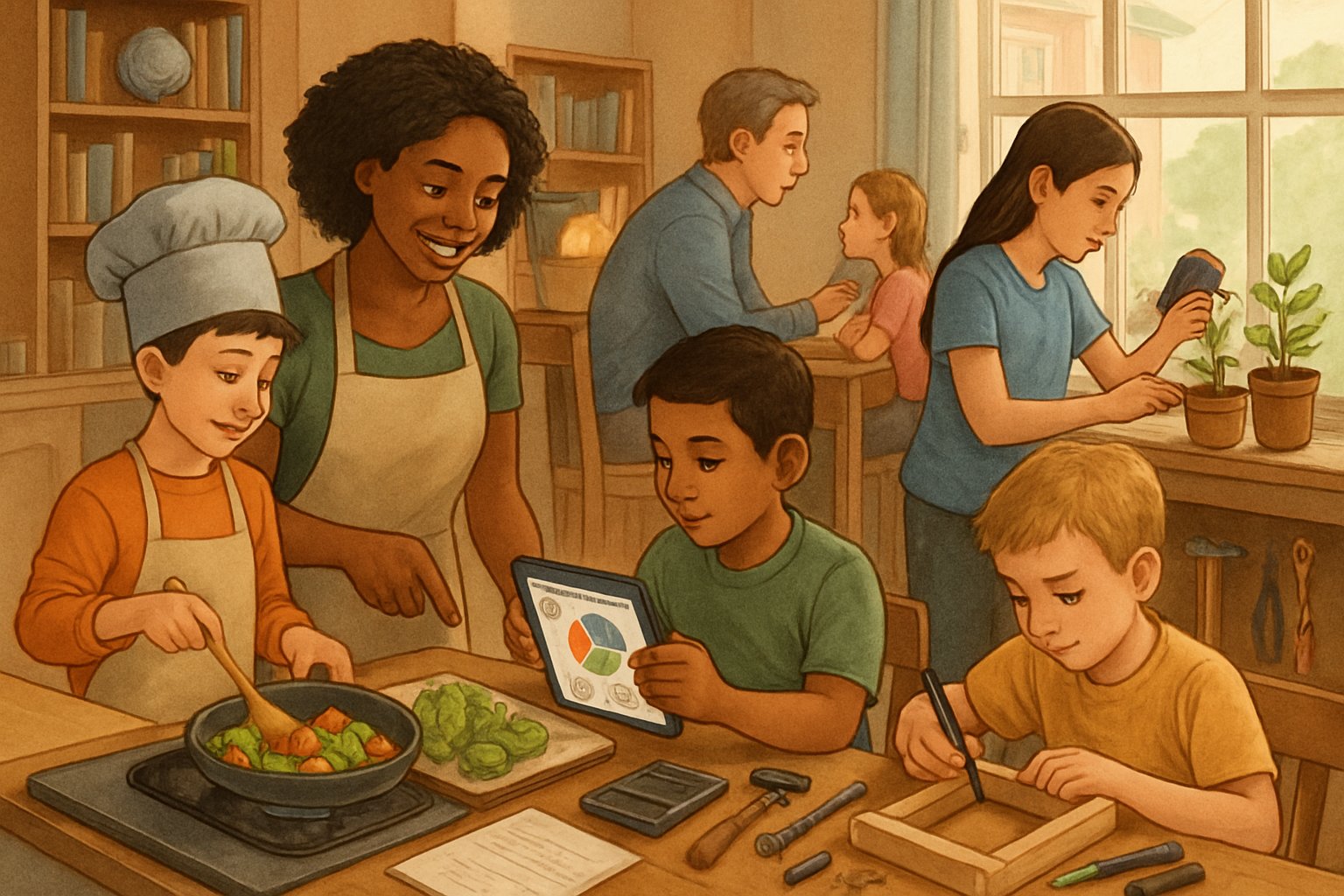
Homeschoolers often gain strong independence through hands-on lessons that connect academics with real-world tasks. They learn to manage time, handle money, prepare meals, and care for their surroundings with purpose and confidence.
Time Management and Organization
Homeschooling naturally builds time management and organization skills because students help structure their own days. They learn to plan lessons, track assignments, and balance study with daily responsibilities.
Many families use visual schedules, planners, or digital tools to teach accountability and focus. Students often create daily routines that include chores, study blocks, and breaks. This structure helps them develop discipline and flexibility.
A simple chart like the one below helps students stay organized:
| Task | Time | Priority |
|---|---|---|
| Math Practice | 9:00–9:45 a.m. | High |
| Gardening | 10:00–10:30 a.m. | Medium |
| Reading | 1:00–2:00 p.m. | High |
These habits prepare them for college, work, and personal goals where planning and follow-through matter most.
Financial Literacy and Money Management
Homeschoolers often learn financial literacy early by managing allowances, saving for purchases, or helping with family budgets. Parents integrate money management into lessons about math, economics, and responsibility.
Through activities like budgeting for a project or tracking spending, students see how saving and investing work in real life. They might compare prices during shopping trips or plan a small business project to understand profit and cost.
The Homeschool Toolbox notes that teaching kids about spending and saving gives them a strong foundation for adulthood. These practical lessons make money less abstract and more manageable.
By high school, many homeschoolers create mock budgets, calculate taxes, or explore simple investing concepts. These experiences encourage long-term thinking and self-reliance.
Cooking, Meal Planning, and Home Maintenance
Cooking and home maintenance often become part of the homeschool curriculum. Children learn to follow recipes, plan balanced meals, and understand nutrition. They also practice meal planning and grocery budgeting, which strengthen both math and decision-making skills.
Younger students might wash produce or set the table. Older ones learn to cook full meals, clean up, and manage kitchen safety. The guide on life skills every homeschooler should master highlights how these tasks build confidence and independence.
Home maintenance lessons often include first aid, cleaning routines, and small repairs. These practical life skills teach problem-solving and responsibility while showing that caring for a home is part of everyday learning.
Gardening, Stewardship, and Outdoor Learning
Many homeschoolers use gardening and outdoor projects to connect biology, geography, and environmental care. Planting and maintaining a garden teaches patience, observation, and stewardship of natural resources.
Students learn about soil health, composting, and sustainable practices. Gardening also supports lessons in science and problem-solving, as they observe growth cycles and weather patterns.
Outdoor learning goes beyond gardening. Families might study local ecosystems, track wildlife, or map hiking trails. The Homeschool Mastery Academy explains that these experiences help children understand how daily choices affect their environment.
Through these activities, homeschoolers gain respect for nature and practical knowledge about food sources and sustainability.
Building Character and Real-World Confidence

Homeschooled students often gain confidence by solving real problems, managing time independently, and practicing empathy in daily interactions. They develop traits like resilience, initiative, and responsibility that prepare them for both academic and personal success.
Entrepreneurship and Initiative
Homeschooling encourages children to take ownership of their learning, which naturally builds entrepreneurial thinking. When they design projects, manage schedules, or start small ventures like craft sales or tutoring, they learn how effort connects to results.
Parents often support this independence by guiding goal setting and reflection. Through these experiences, students practice problem-solving and decision-making that mirror real-world challenges.
Some families use structured programs, such as the American Emergent Curriculum, which integrates leadership and creative thinking into core subjects. This approach helps children see how ideas can become action, nurturing initiative and self-confidence that extend beyond academics.
Compassion, Resilience, and Responsibility
Homeschooling provides space for children to grow emotionally as well as intellectually. They often interact with people of different ages, which builds compassion and patience.
When lessons don’t go as planned, students learn resilience by adjusting and trying again. Parents model accountability and empathy, showing that mistakes are part of learning.
Character-focused programs like those described in Character Building Curriculum for Homeschoolers emphasize virtues such as honesty, gratitude, and perseverance. These values help children understand responsibility not as a rule to follow but as a choice that shapes trust and relationships.
| Trait | How It Develops | Real-Life Benefit |
|---|---|---|
| Compassion | Working with siblings or community members | Builds empathy and teamwork |
| Resilience | Facing academic or social challenges | Encourages persistence |
| Responsibility | Managing personal goals and chores | Strengthens integrity |
Adaptability Through Hands-On Learning
Homeschoolers often learn through hands-on activities that connect lessons to real life. Cooking, budgeting, or building projects teach practical life skills while reinforcing academic concepts.
This approach fosters adaptability, as students must think critically and adjust when outcomes differ from expectations. They see learning as a process of testing, revising, and improving.
Programs that emphasize life skills, such as Incorporating Life Skills into Your Homeschool Curriculum, show how daily tasks can teach independence and confidence. By practicing flexibility and problem-solving, homeschoolers become comfortable navigating new situations with calm and competence.
Leave a Reply