Top 5 Homeschool Curriculums for Elementary in 2026

Families seeking a reliable elementary homeschool curriculum often look for programs that blend academics, flexibility, and ease of use. These well-known homeschool options balance reading, math, science, and art while making learning manageable for both children and parents.
Sonlight Overview and Features
Sonlight offers a literature-rich approach focused on reading and discussion instead of worksheets. It provides full-year lesson plans, instructor guides, and book lists carefully arranged by grade.
Students engage with classic stories, biographies, and historical fiction to strengthen comprehension and critical thinking. Many parents appreciate Sonlight’s open-and-go format.
Everything needed for the year arrives in one box—from reading schedules to science experiments. It fits well for parents who like a Christian-based, narrative-driven approach that connects subjects through storytelling.
Sonlight’s strength lies in its flexibility. Lessons can adjust to different reading speeds and learning levels.
The program encourages family interaction through shared reading time and conversation. This keeps children involved and helps them understand big ideas naturally.
Time4Learning Online Learning
Time4Learning is an online homeschool curriculum that teaches core subjects through interactive lessons, animated videos, and practice quizzes. It runs on a monthly subscription, giving families access to grade-level content and automated grading tools that make tracking progress simple.
This platform suits families who prefer a digital format with built-in pacing and flexible scheduling. Students learn independently while parents review performance through an online dashboard.
Time4Learning’s system includes language arts, math, science, and social studies, aligning with national standards. Because of its self-paced design, students can move ahead or spend extra time where needed.
Families who mix online and offline tools often combine Time4Learning with print workbooks or creative projects for a more balanced routine. It is often featured in top homeschool curriculum lists for its structure and convenience.
The Good and the Beautiful Program Details
The Good and the Beautiful combines strong academics with character development and exposure to beautiful art and nature. It covers language arts, math, science, and history through colorful, open-and-go books.
Each subject blends visual appeal with wholesome values, offering a gentle introduction to learning for younger children. The language arts program includes reading, grammar, handwriting, and art appreciation in one course.
Lessons feature short, hands-on activities that build confidence without overwhelming students. Parents appreciate the affordable price and quality design, which feel both elegant and practical.
Families who want a faith-based yet rigorous curriculum often choose this program. The reading and writing lessons tie into nature, literature, and moral stories that appeal to both secular and Christian homeschoolers.
Abeka Traditional Approach
Abeka provides a traditional homeschool curriculum known for its structured lessons and teacher-led design. It focuses on phonics-based reading, grammar drills, arithmetic, and Bible study, developed through a Christian lens.
The curriculum mirrors private school coursework and offers both printed materials and live online video classes. Each subject follows a clear, step-by-step path to mastery.
This structure helps students develop strong study habits from an early age. Teachers and parents guide instruction with detailed manuals that make daily teaching easier.
Abeka suits families who want a disciplined environment that recalls traditional classroom instruction. Its emphasis on memorization and review builds a solid academic foundation for students aiming to advance confidently into higher grades.
Oak Meadow and Project-Based Learning
Oak Meadow takes a project-based learning approach influenced by Waldorf education principles. It emphasizes creativity, nature, and hands-on exploration over rote memorization.
Students complete assignments in writing, art, and science that allow them to connect lessons with daily experiences. Oak Meadow’s flexible format combines printed guides with optional teacher support.
Parents can submit work for assessment or keep instruction fully independent. The curriculum promotes balanced development by combining academics with personal growth and artistic expression.
Families seeking a secular or holistic homeschooling model often enjoy Oak Meadow’s style. It invites curiosity and creativity while still meeting educational standards.
Many parents appreciate that it helps children learn through observation, experimentation, and reflection. This makes school feel meaningful and personal.
Core Subjects and Supplemental Curriculum Choices

Families often seek a balance between thorough instruction in core subjects and flexible, engaging supplements. Programs that mix structure with creativity help parents teach effectively while keeping children motivated.
The following options show how clear guidance and adaptable methods can build skills in math, reading, and writing at home.
Math With Confidence Approach
The Math With Confidence program focuses on mastery, clear lessons, and hands-on practice. Each level—ranging from kindergarten to grade six—uses short, scripted sessions that parents can follow easily.
It costs about $40–$50 per grade and includes both instructor and student books. Lessons combine guided practice, games, and manipulatives to make math concepts stick.
This approach keeps learning consistent while helping children understand why a method works, not just how. Parents appreciate that it minimizes prep time yet builds strong number sense.
Families looking for an elementary math curriculum that’s open-and-go and builds long-term confidence can explore Math With Confidence by Kate Snow. The structured format removes guesswork for parents while encouraging students to enjoy math success step by step.
Teaching Reading with Ordinary Parent’s Guide
For reading instruction, The Ordinary Parent’s Guide to Teaching Reading provides a simple phonics-based path that’s effective for both early and reluctant readers. With clear, scripted lessons that cost about $45 for the full set, parents can teach decoding and comprehension with minimal preparation.
Each lesson builds new sounds and word patterns sequentially, which ensures children develop steady reading fluency. The program’s straightforward design helps parents stay consistent, even without prior teaching experience.
This method suits families who want to teach reading directly, without digital tools or distractions. They can find more details about the structure and approach in the Elementary Homeschool Curriculum Guide for 2026, which explains how phonics-based systems fit into a balanced curriculum.
Supporting Struggling Readers
Some elementary learners need extra time or specific methods to succeed. Phonics repetition, multisensory activities, and patient progress tracking help many struggling readers thrive.
Parents often find it useful to use gentle pacing and short, focused lessons rather than extended drills. Programs that incorporate tactile tools—such as letter tiles or sound cards—strengthen memory and confidence.
Combining reading aloud with shared reading opportunities promotes comprehension skills. Families may integrate supports from reading specialists or visual aids aligned with proven techniques found in The Ordinary Parent’s Guide.
These strategies build consistency, allowing children with difficulties to enjoy small successes that lead to larger breakthroughs.
All About Spelling and Writing Methods
All About Spelling uses the Orton-Gillingham approach to build foundational literacy step by step. Each level costs around $45 and includes cards, letter tiles, and detailed teacher guides.
This multisensory design reinforces phonics and spelling patterns through movement and repetition. Students manipulate tiles, segment words, and apply rules in writing exercises.
Parents value the structure since lessons are short and clear. For writing, many families pair All About Spelling with IEW (Institute for Excellence in Writing) materials, which guide students through sentence structure and composition.
The combination develops spelling accuracy and writing confidence without overwhelming beginners. More about these complementary methods appears in the Top 5 Homeschooling Curriculums Overview, highlighting how structured writing and spelling programs improve literacy outcomes.
Enhancing the Homeschool Experience
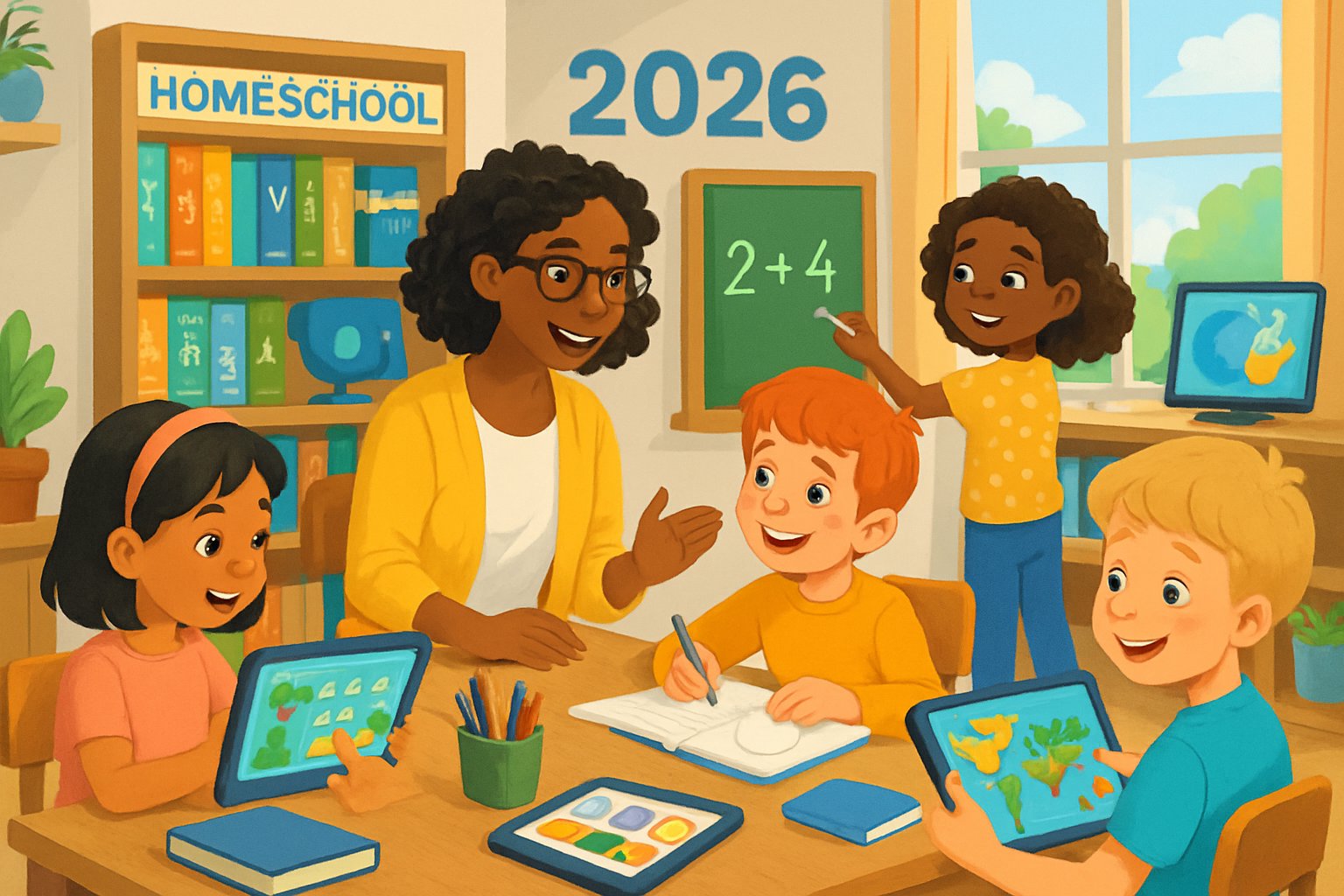
Families can enrich daily learning by combining interactive lessons with free digital tools and hands-on materials. Blending structured academics with creative exploration helps students stay engaged while developing independence and curiosity.
Incorporating Nature Study and Living Books
Nature study gives children a direct connection to the world outside their windows. Many homeschoolers use field journals, sketching leaves, insects, and clouds as part of science and art.
Weekly outdoor walks or garden projects encourage observation skills and responsibility. Pairing these experiences with living books—narratives written by authors passionate about their subjects—deepens understanding.
Stories about scientists, explorers, and naturalists bring lessons to life far better than dry textbooks. Families exploring flexible program options like the Multisori Montessori Homeschool Curriculum often integrate these activities into their homeschool plans.
Parents can group multiple ages together by assigning different reading levels of the same story or adapting nature challenges for younger or older learners. A simple weekly nature rotation might include:
- Monday – Outdoor sketching
- Wednesday – Science reading
- Friday – Reflection journal entry
This steady rhythm keeps nature study enjoyable and manageable.
Khan Academy as a Free Resource
Khan Academy offers thousands of lessons in math, science, and history at no cost. Students can move at their own pace, repeat lessons, and track progress through built-in quizzes.
Families who use all-in-one programs, like those listed in the 2025-26 Best Homeschool Curriculum & Resources List, often supplement them with Khan Academy for extra practice or enrichment. Most parents appreciate the platform’s clear video tutorials and step-by-step problem solving.
It allows independent learning while freeing up time for parents to plan or work with siblings. A good use plan might include 20 minutes of Khan math each day, adding science or grammar later in the year.
Students benefit from its automatic progress tracking, which gives both structure and flexibility.
Physical Materials: Cursive Workbook and Book List
While digital resources are helpful, hands-on materials still play a crucial role.
A cursive workbook encourages focus and fine motor development.
Writing by hand also strengthens memory and supports reading fluency.
Homeschool families often pair handwriting practice with a themed book list aligned to their curriculum.
For instance, children studying pioneer life might read historical fiction or biographies.
Lists can be organized by subject or grade:
| Grade | Example Titles |
|---|---|
| 1–2 | The Tale of Peter Rabbit, Little Bear |
| 3–4 | Charlotte’s Web, Sarah, Plain and Tall |
| 5–6 | The Secret Garden, Island of the Blue Dolphins |
Families can rotate workbooks and books weekly to maintain interest and steady progress.
Leave a Reply