Key Advantages of Open-and-Go Homeschool Curriculums
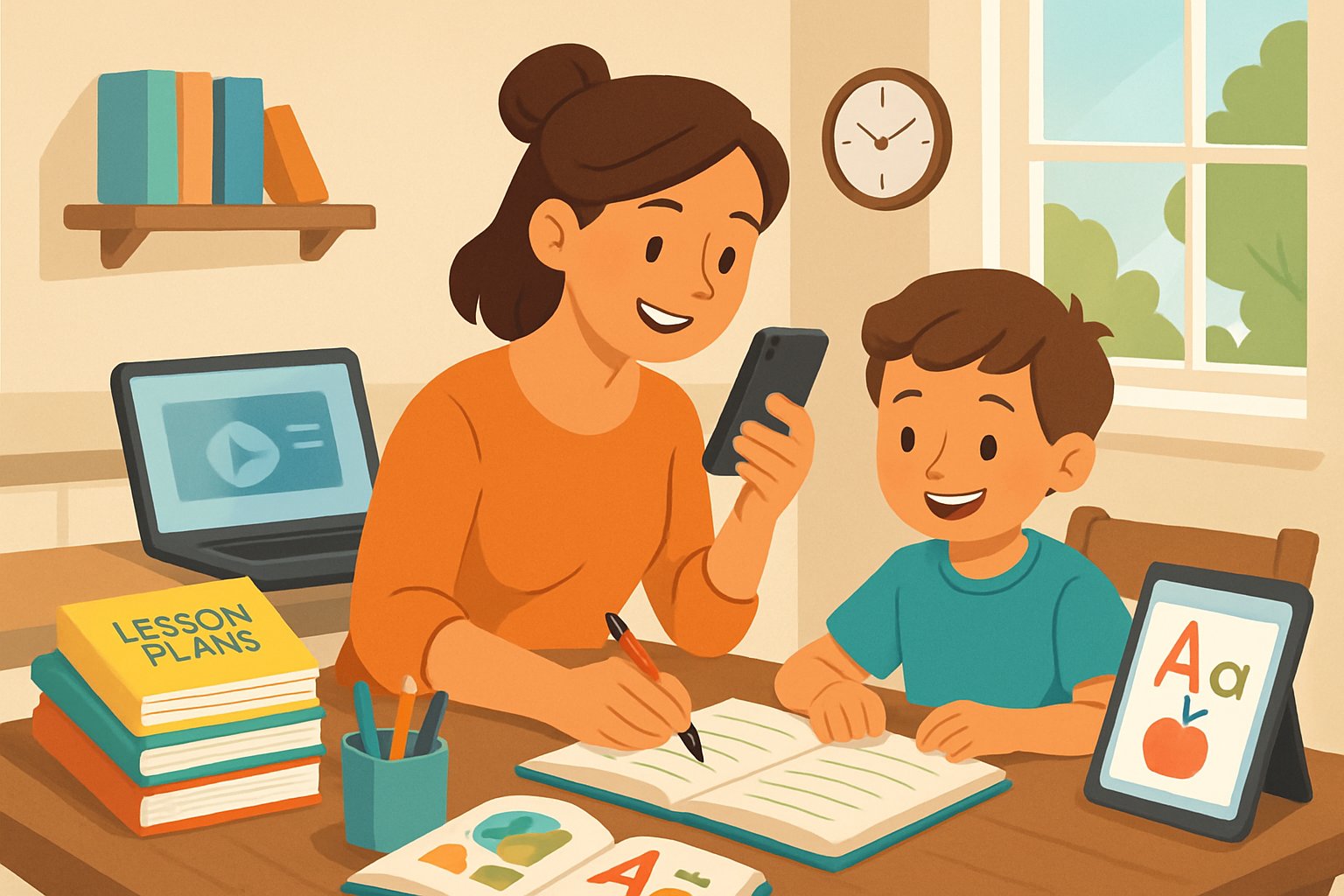
Families who use open-and-go homeschool curriculums often appreciate how much time it saves, how consistent the lessons are, and how easy it is to transition into homeschooling. These programs combine ready-to-teach materials, structured plans, and built-in support, helping parents focus more on their children’s learning instead of constant lesson prep.
Time-Saving Daily Prep for Parents
An open-and-go homeschool curriculum removes much of the daily prep work that traditional homeschooling often demands. Parents can simply open the lesson guide and begin teaching without collecting materials or creating new plans.
This saves hours each week. For example, programs like Schoolio provide prearranged lessons with all needed resources listed.
A typical open-and-go setup includes prewritten lesson guides, answer keys, and activity sheets. Families may receive both print and digital formats, which makes scheduling smooth and flexible.
Key benefits of time-saving prep:
- Minimal daily setup time
- Clear step-by-step instructions
- Predictable learning flow
This format works well for working parents or families with multiple children who need a straightforward, efficient routine.
Consistent and Structured Lesson Plans
The consistency of open-and-go homeschool curriculums is one of their strongest features. Each subject builds on the previous day’s work, creating a reliable pattern that reinforces learning.
Structured lesson plans reduce guesswork and give both parents and children a clear roadmap for progress. Many programs, including Sonlight, use literature-based plans or unit studies that tie reading, writing, and history together.
This integration keeps lessons connected across subjects while still maintaining daily balance. Parents appreciate that structured lessons follow a logical sequence and track skill development clearly.
Consistent planning helps children develop study habits and responsibility. Parents gain confidence in what comes next.
Less Stress and Simpler Transitions
Switching to homeschooling can feel overwhelming, especially for parents managing work or home duties. Open-and-go curricula help reduce that stress by guiding families step-by-step.
The ready-to-use materials prevent late-night lesson planning and uncertainty about what to cover next. Programs like Moving Beyond the Page make transitions smoother with flexible pacing and clearly labeled activities.
Parents know what to expect each day and can adapt lessons without rewriting them. A ready curriculum also keeps motivation high.
Less time spent planning means more energy for teaching, discussion, and connection. Fewer details to manage equals fewer chances of burnout for busy households.
Support for New and Experienced Homeschoolers
Both new and experienced homeschoolers gain reassurance from the built-in support found in open-and-go curriculums. New homeschooling parents can rely on detailed guides, suggested schedules, and online communities.
Experienced teachers appreciate how quickly they can implement the program while still personalizing lessons. Curriculums like The Good and the Beautiful and boxed curriculum packages such as BookShark often include parent tips, video tutorials, and assessment tools in their kits.
These help families adapt courses to different grade levels and learning speeds. Support tools also foster independence in students.
As children become familiar with the layout, they can manage certain parts of the lesson themselves. This frees parents for oversight instead of constant direction.
How Open-and-Go Programs Empower Independent Learning
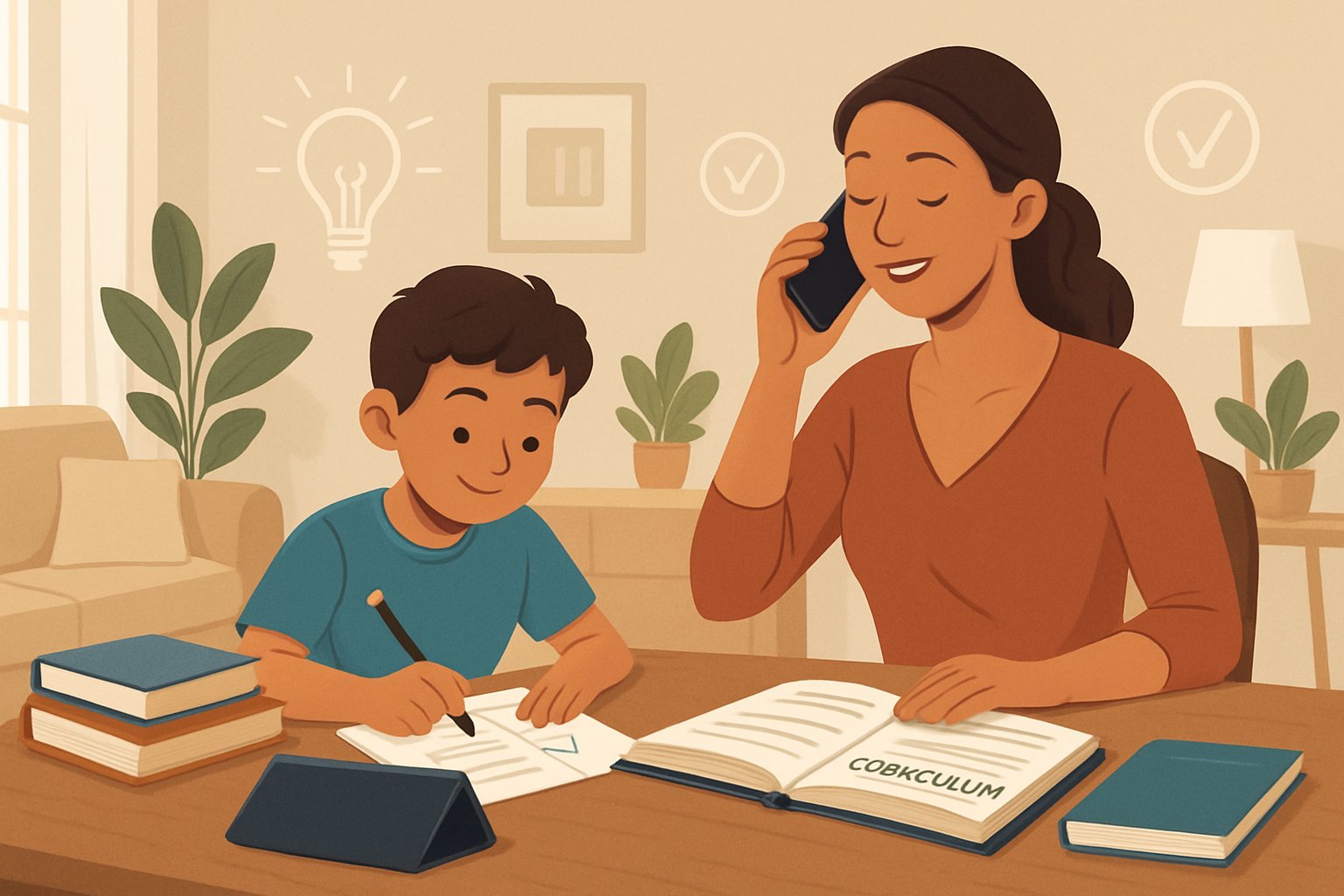
An open-and-go homeschool curriculum helps learners grow more confident by giving them the tools and structure to take ownership of their studies. It promotes self-direction, problem-solving, and a pace that fits individual needs.
Fostering Student Autonomy
Students thrive when they have control over how they learn. Open-and-go programs, such as those listed in the 7 Best Open-and-Go Homeschool Curriculum Choices, give children clear guidance but leave space for choice and self-management.
Each lesson is laid out step by step, allowing them to follow schedules or move ahead independently. With fewer planning tasks for parents, children learn to track their progress and complete assignments with minimal intervention.
This process builds strong time-management habits and helps learners take responsibility for their education. Simple daily checklists or planner pages often come with these programs, encouraging personal accountability.
Over time, students gain the confidence to explore topics without waiting for constant direction. This fosters independent learning—a skill that benefits them both in homeschooling and in later academic or workplace settings.
Encouraging Critical Thinking and Problem-Solving
When used thoughtfully, open-and-go resources also strengthen critical thinking. Many include reading, writing, and discussion prompts that guide students to reason through ideas, not just memorize facts.
Programs like those highlighted in The Ultimate List of Open-and-Go Homeschool Curriculum often feature hands-on activities that require analysis, comparison, and evaluation. For instance, science lessons might ask students to observe a simple experiment, record results, and predict outcomes.
Literature-based assignments may encourage them to draw conclusions about characters or themes. These approaches build the habit of questioning and reasoning logically.
By solving real-world problems or answering open-ended tasks, learners practice doing rather than only reading. This active approach creates deeper engagement and longer-lasting understanding.
Flexible Pacing for Different Learning Styles
Every child learns differently. A key advantage of open-and-go homeschool curriculum options, such as those described by Schoolio’s All-in-One Curriculum Programs, is their built-in flexibility.
Families can speed up or slow down lessons without losing structure. Visual learners might benefit from illustrated workbooks, while auditory learners may use recorded materials or read-aloud sections.
Because everything is organized by day or week, it’s easy to adapt lessons to match a child’s natural rhythm. Flexible pacing reduces frustration and encourages consistency.
Students can revisit difficult lessons, repeat practice exercises, or skip material they’ve already mastered. This adaptability supports personalized growth and reinforces self-motivation—key elements in building strong, independent learners.
Curriculum Choices and Subject Coverage for Busy Parents

Families who need flexible homeschooling often turn to open‑and‑go programs that bundle complete lesson plans, ready‑made materials, and clear schedules. These programs cover everything from math and language arts to electives like art and science labs, helping busy parents save time while still giving their children a full education.
Popular All-In-One and Subject-Specific Options
Many open‑and‑go programs come ready to use with minimal setup. All‑in‑one curriculums such as Time4Learning or Power Homeschool let students move through online lessons in core subjects with built‑in grading tools.
Families who prefer printed books may like Masterbooks, BJU Press, or My Father’s World, which combine teacher guides and student books. Parents who want a faith‑infused approach often explore Apologia, Abeka, or Heart of Dakota, all known for Christian values and simple daily plans.
Others choose Moving Beyond the Page or Real Science Odyssey for secular, hands‑on learning. Subject‑specific programs like Teaching Textbooks, Saxon Math, or Mr. D Math focus only on math but fit easily into a larger plan.
| Type | Example Curriculums | Format | Prep Time |
|---|---|---|---|
| All‑in‑one | Time4Learning, BJU Press, Masterbooks | Online/Print | Low |
| Subject‑specific | Teaching Textbooks, Apologia Science | Mixed | Very low |
| Thematic/Literature‑based | Sonlight, BookShark, Campfire Curriculum | Moderate |
Integration of Core Subjects and Electives
Open‑and‑go curriculums simplify teaching by blending language arts, math, science, and social studies with rich electives. Programs such as The Good and the Beautiful and Notgrass History integrate multiple subjects into a single plan.
A reading lesson might pair with history, or a short science project might include writing practice. Art, music, and literature‑based activities make learning more complete without extra planning.
Families using Sonlight or BookShark enjoy their literature‑driven approach, while SchoolhouseTeachers.com offers unit studies where electives like art and geography naturally fit into daily lessons. Some programs, like Campfire Curriculum or Wildwood Curriculum, encourage project‑based exploration that links different subjects around one topic.
This cross‑connection saves time and helps children see how academic ideas relate.
Secular vs. Christian Homeschool Curriculums
When choosing between secular and Christian homeschool curriculums, parents should focus on their family’s goals and values. Christian programs—like Abeka, Apologia, Veritas Press, and Generations—teach from a biblical worldview and often include Bible study or devotionals.
They appeal to families who want academic work tied closely to faith.
Secular curriculums—such as Moving Beyond the Page, Real Science Odyssey, and Schoolio—avoid religious content but still provide strong coverage in science and social studies.
These options support families seeking a neutral or science‑driven approach.
Some hybrid programs strike a balance. The Good and the Beautiful contains Christian themes but focuses heavily on moral values and family reading.
Others, like Time4Learning, stay entirely adaptable, letting parents add faith‑based or secular materials as needed.
Leave a Reply