Homeschooling has grown quickly in recent years, but many people still believe outdated ideas about what it really looks like. These myths often come from old stereotypes or limited experiences, leaving families unsure about whether home education could actually work for them. Understanding the truth about homeschooling helps families make confident and informed choices about their children’s education.

This article explores nine common myths that continue to shape how people view homeschooling today. It looks at assumptions about social skills, academics, cost, and even college readiness to show what homeschooling is—and what it isn’t. By clearing up these misconceptions, it paints a more accurate picture of modern homeschooling and the diverse families who choose it.
1) Homeschoolers Lack Social Skills
Many people still believe that homeschooled children spend their days alone with little contact outside their families. This idea is outdated. Modern homeschooling often includes group classes, sports, community events, and volunteer work.
Studies and real-world examples show that homeschoolers often build strong communication and teamwork skills. They learn to interact with people of different ages and backgrounds, not just classmates their own age. Research highlighted in The Socialization Myth: How Homeschoolers Build Strong Social Skills shows that homeschoolers frequently excel in interpersonal relationships.
Homeschool families also create social opportunities through co-ops, clubs, and local activities. These experiences help children practice empathy and cooperation, as noted in Homeschooling and Socialization: Debunking the Myths.
The idea that homeschoolers are isolated often comes from misunderstanding what homeschooling looks like today. Many families use flexible schedules to connect with others and explore the world beyond the classroom, as explained in Homeschool Socialization: Myths, Realities, and Practical Strategies.
2) Homeschooling Is Only for Religious Families
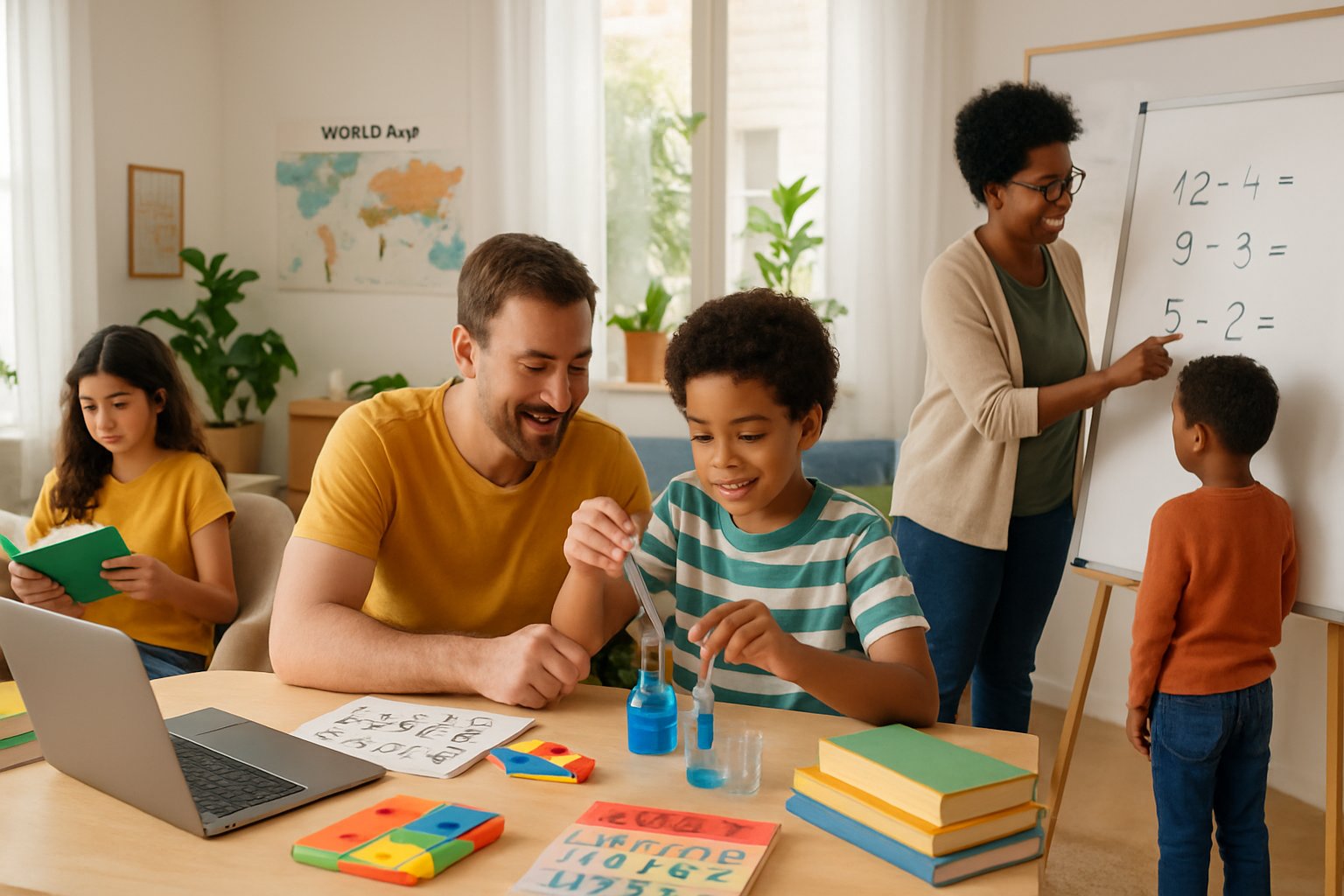
Many people still believe homeschooling is only for religious families. This idea used to be more common when faith-based programs were the main option. Today, that has changed.
Families now choose homeschooling for many reasons. Some want more flexible academics, safer learning spaces, or personalized pacing. Others homeschool because of travel, health needs, or learning differences. As The Network explains, families homeschool for academic, social, or health-related reasons, not just religious ones.
The homeschool community has grown more diverse. Parents can pick from both faith-based and secular curricula, depending on their goals. Online programs and local co-ops also make it easier for families of all backgrounds to connect and share resources.
Modern homeschooling reflects many lifestyles and values. Families from cities, suburbs, and rural areas all take part. As Great Homeschool Conventions notes, homeschoolers come from all belief systems, showing that education at home is not limited to any one group.
3) Homeschooled Kids Don’t Get Enough Curriculum
Many people assume homeschooling lacks a full curriculum, but that idea is outdated. Today, families can choose from a wide range of structured programs, online courses, and accredited materials that meet or exceed public school standards.
Homeschoolers often use blended learning. They combine textbooks, digital lessons, and real-world projects to cover core subjects like math, science, history, and language arts. Sites such as Connections Academy explain how online options provide organized lessons and teacher support.
Parents also adapt lessons to fit their child’s learning pace. This flexibility helps students spend more time on challenging topics and move faster through easy ones. According to AZ Homeschoolers, this approach often gives children a deeper understanding of material.
Homeschooling families can also join co-ops or community classes to expand their curriculum. These groups offer lab science, art, and foreign language instruction, giving students a balanced education.
Far from being limited, homeschool curricula today are diverse, accessible, and designed to help students succeed in both academics and life skills.
4) Homeschooling Means No Extracurricular Activities
Many people think homeschooled students miss out on sports, clubs, and other group activities. In reality, most homeschool families find plenty of ways to stay active and involved.
Homeschooled students often join local sports leagues, music lessons, theater groups, or art classes. Some public schools even allow homeschoolers to take part in school teams or clubs under certain rules, as explained in this article on homeschooling myths.
Community centers, libraries, and youth programs also offer many opportunities for social and extracurricular involvement. These programs help homeschoolers meet new friends while exploring their interests.
Online learning platforms and co-ops make it easier than ever for homeschooled children to connect with others. As noted by Connections Academy, modern homeschooling often includes group projects, virtual clubs, and field trips.
Homeschooling allows families to choose activities that fit their child’s goals and schedule. Instead of missing out, many homeschoolers enjoy a wider variety of experiences than traditional students.
5) Homeschooled Students Are Not Ready for College

Many people assume homeschooled students struggle when they reach college. In reality, research and college admissions data show the opposite. Homeschooled students often enter college with strong study habits and self-discipline.
Colleges now recognize the value of homeschooling. Many institutions actively recruit homeschoolers because they tend to be independent learners and motivated students. According to Bridgeway Academy, homeschoolers are often more prepared academically than many of their peers.
Some believe homeschoolers lack exposure to structured learning or deadlines. However, most homeschool programs include schedules, projects, and assessments that mirror classroom expectations. The flexibility of homeschooling also helps students learn time management early.
As noted by FEE.org, colleges see homeschool applicants as mature and capable. They often perform well because they are used to taking responsibility for their own education.
Homeschool graduates have been accepted into a wide range of universities, from local colleges to Ivy League schools. Their success shows that being homeschooled does not limit college readiness—it can actually strengthen it.
6) Homeschooling Is Too Expensive for Most Families
Many people assume homeschooling costs more than traditional school. In reality, families can adjust their budgets and use free or low-cost materials to make it affordable.
Parents can find free online classes, worksheets, and lesson plans through public libraries and educational websites. Some families even share resources or trade teaching time with other homeschoolers.
According to The Curious Schoolhouse, homeschooling can cost less than expected when parents use community programs and digital tools. Many states also offer tax credits or deductions, as noted by Northgate Academy.
Even curriculum expenses vary widely. Families can choose between paid programs and free options that fit their children’s needs. Homeschool Myths explains that while some materials can be pricey, many affordable or no-cost alternatives exist.
Homeschooling may require planning, but it doesn’t have to break the bank. With creativity and research, families can provide a quality education at home without spending a fortune.
7) Homeschoolers Are Isolated and Don’t Make Friends
Many people still think homeschooled kids spend most of their time alone, but that idea doesn’t match reality. Homeschooling families often join co-ops, clubs, and community programs where children meet and work with others. These settings encourage teamwork and help students build lasting friendships.
Homeschoolers also take part in sports, art classes, and field trips through local groups and recreation centers. These activities create regular chances for social interaction outside the home. Families often plan study groups, park days, or volunteer projects together.
According to Homeschool.com, homeschoolers gain social experience through everyday life—talking with neighbors, family, and peers in many settings. Research shared by Top Education Degrees shows that homeschooled students often develop strong communication habits because they interact with a wide range of people.
Homeschooling allows flexible schedules that make social time easier to plan. Children can meet friends during the day, join mixed-age activities, and connect with their communities in meaningful ways. Far from being isolated, many homeschoolers enjoy rich and varied social lives.
8) Parents Aren’t Qualified to Teach Their Kids
Many people believe parents can’t teach their children because they don’t have education degrees. This idea is common, but it doesn’t match reality. Parents already teach their kids basic skills like talking, reading, and good manners long before school begins.
Research and experience show that homeschooling parents can use online tools, community classes, and structured programs to guide learning. Modern homeschool resources make it easier to follow clear lesson plans and track progress. Even accredited schools like Connections Academy note that parents are a child’s first and most important teachers.
Articles such as 7 Persistent Myths About Homeschoolers Debunked explain that most homeschool parents don’t need teaching degrees to succeed. What matters more is their commitment and willingness to learn alongside their children.
Parents who homeschool often adapt lessons to fit their child’s pace and interests. This flexibility can help students understand subjects better and enjoy learning. Many families find that the more they teach, the more confident they become in their ability to provide a strong education at home.
9) Homeschooled Children Are Weird or Different
Many people assume homeschooled kids act strange or lack social skills. This idea comes from old stereotypes, not reality. Most homeschooled children interact with others often and learn to communicate in many settings.
They meet friends through sports, clubs, and community programs. Some join online classes or local learning groups that mix kids from different backgrounds. These activities help them build confidence and teamwork skills.
According to 21K School, homeschooled students often have rich social lives that differ from traditional schools but are just as meaningful. They spend time with people of all ages, not just their peers, which can help them mature socially.
Even sites like Weird Unsocialized Homeschoolers note that being “different” can simply mean having unique interests or learning styles. That doesn’t make them odd—it makes them individuals.
In reality, homeschooled children are as varied as any other group. Some are shy, some outgoing, some artistic, and some athletic. Their social experiences may look different, but they are far from weird.
Understanding the Roots of Homeschool Myths
Many homeschooling myths come from outdated ideas and repeated misinformation. People often rely on secondhand stories, limited examples, or entertainment portrayals instead of real experiences from homeschool families.
How Misconceptions Spread
False beliefs about homeschooling often spread through word of mouth, old assumptions, and a lack of firsthand knowledge. When people hear the same claims—like homeschoolers being unsocialized or behind in academics—they start to sound true, even when evidence shows otherwise.
Studies and articles, such as those from Connections Academy, show that many myths persist because people rarely see what homeschooling actually looks like today. Families use online programs, co-ops, and extracurriculars that offer both structure and social interaction.
Common sources of confusion include:
- Limited exposure to modern homeschool models
- Outdated views from decades past
- Anecdotes shared without context
Once these ideas circulate online or in conversation, they can be hard to correct. People tend to remember simple stories rather than complex realities.
The Role of Media and Pop Culture
Television and movies often shape how the public views homeschooling. Many shows still show homeschoolers as isolated, awkward, or overly strict, which reinforces stereotypes. Articles like Understanding Homeschooling: Debunking Myths with Evidence note that these portrayals rarely match real homeschool experiences.
Media tends to highlight extremes because they make interesting stories. This focus can leave out the majority of families who use balanced, flexible approaches.
Pop culture also influences parents’ comfort levels with homeschooling. When characters or news stories show only negative examples, it can discourage families from exploring it. Over time, these images shape public opinion more than actual data or personal stories.
The Realities of Homeschooling Today
Homeschooling now looks very different from what many people imagine. Families use flexible learning models, online platforms, and local support groups to create meaningful education plans that fit their children’s needs.
Diverse Homeschooling Approaches
Families use many approaches to teach at home. Some follow a structured curriculum similar to public schools, while others use interest-based learning that lets children explore topics deeply. Many combine both to balance freedom and consistency.
Online programs and virtual classrooms have made homeschooling more accessible. Students can take live classes, complete assignments online, and work with certified teachers through platforms like Connections Academy. This flexibility allows learning to happen anywhere with an internet connection.
Parents also adapt lessons to match their child’s pace. A student who excels in math can move ahead, while one who needs more time in reading can slow down. This personalized approach helps students build confidence and stay motivated.
Some families even blend homeschooling with part-time public or private school classes, local workshops, or community college courses. This mix gives students both independence and classroom experience.
Support Networks and Resources
Modern homeschooling families rarely work alone. They connect through local co-ops, online forums, and community events that offer shared classes, field trips, and extracurricular activities. These networks help children develop social skills and friendships, addressing the common myth that homeschoolers lack socialization, as explained by The Mindful Heart.
Parents also use digital tools to plan lessons, track progress, and find teaching materials. Educational websites, free e-books, and virtual labs make it easier to cover a full range of subjects. Many families rely on organizations such as 21K School for structured guidance and community support.
These resources create a strong foundation for homeschooling success, allowing families to share ideas, solve problems, and celebrate progress together.
Leave a Reply