Core Principles of Literature-Based Curriculums

A literature-based homeschool curriculum helps students connect ideas across subjects using living books that inspire curiosity and understanding. This method encourages reading high-quality stories, exploring multiple subjects within those texts, and building deeper comprehension through discussion and reflection.
Understanding Living Books and Quality Literature
Living books are well-written works that spark imagination and emotion. They can be classic novels, historical fiction, or engaging nonfiction written by authors who care deeply about their topics.
Unlike dry textbooks, these books bring real people and events to life in an engaging way.
When selecting reading material, quality literature should meet key standards. It should:
| Criteria | Description |
|---|---|
| Engagement | Captures interest and invites reflection |
| Depth | Explores ideas beyond simple facts |
| Accuracy | Reflects truth and avoids stereotypes |
| Writing Style | Uses vivid language and clear storytelling |
Many parents use this approach to teach language arts, history, and science through stories that blend academic content with emotional appeal. For examples of programs that use this approach, see The Definitive Guide to the Best Literature-Based Homeschool Curriculum.
Integration of Subjects Through Stories
Stories naturally connect subjects. A novel about a sea voyage can teach geography, science, and writing all at once.
Students can examine maps, study ocean currents, and write journal entries as if they were part of the expedition.
This cross-subject design saves time and builds meaningful connections between topics. It helps students see knowledge as a unified whole rather than isolated lessons.
According to the Hummingbird Homeschool explanation of literature-based learning, teachers can easily cover reading, writing, grammar, and vocabulary through one engaging book.
Hands-on projects also enhance learning. Students might create timelines, role-play historical figures, or design experiments inspired by the stories they read.
These experiences improve retention and keep learning engaging.
Benefits of a Literature-Based Approach
A literature-based homeschooling approach promotes both academic and emotional growth. Students practice critical thinking as they interpret character choices and analyze real-world issues shown in fiction.
It encourages empathy by allowing readers to experience life from different points of view. It also helps families tailor lessons to a child’s learning style.
Some focus on reading aloud together, while others rely on independent reading followed by discussion or written reflections.
Programs such as Top 23 Literature-Based Homeschool Curriculum Options note that this flexibility supports a natural pace and varied interests.
Strategies for Teaching Multiple Subjects with Literature
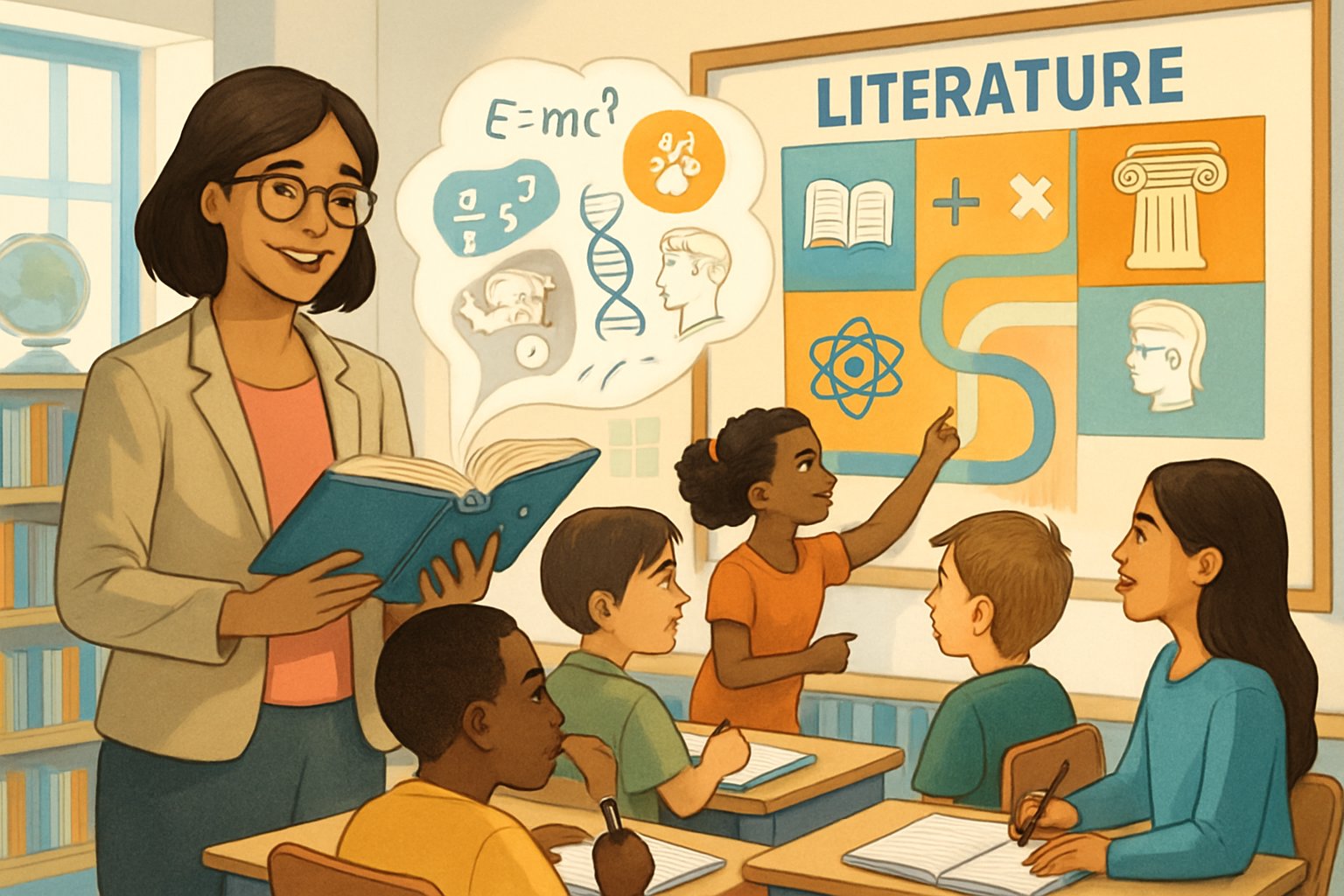
Using literature as a foundation for instruction allows teachers to connect language arts, history, science, and even math through meaningful stories. When texts are chosen thoughtfully, students see how different subjects work together, strengthening both comprehension and problem‑solving skills.
Combining Subjects Around Central Themes
Teachers often design units around broad themes such as change, community, or exploration. Each subject connects naturally to the theme.
For example, while reading a historical novel about pioneers, students can study westward expansion in history and analyze maps in geography.
A literature-based curriculum can also support science by linking fictional stories with real‑world topics. For instance, lessons inspired by environmental tales can lead into experiments and discussions about ecosystems and conservation.
Integrating content this way helps students connect facts with context, improving retention and engagement.
Lesson planning becomes more cohesive when subjects share a guiding idea. The book acts as a central thread rather than an isolated activity, bringing together multiple disciplines.
Teachers can find more ideas for thematic integration in Effective Strategies for Literature-Based Learning.
Incorporating Writing, Grammar, and Spelling
Literature provides natural opportunities to teach essential language skills. After reading a short story or novel excerpt, students can complete writing assignments such as reflection journals, character letters, or alternate endings.
These tasks reinforce comprehension and creativity while supporting the overall language arts program.
Grammar and spelling lessons fit seamlessly into literature study. Teachers can identify sentences from the text to highlight grammar rules or vocabulary patterns.
Lists and mini‑activities help students notice parts of speech, punctuation choices, and style. A simple table like the one below may support instruction:
| Skill Area | Example Activity |
|---|---|
| Writing | Compose a diary entry from a character’s viewpoint |
| Grammar | Identify verb tense changes in dialogue |
| Spelling | Practice words drawn from key vocabulary in the story |
This blend of reading and language arts keeps lessons purposeful and connected to real text examples instead of isolated drills.
Customizing for Different Grade Levels
A flexible approach ensures that literature-based teaching fits every age group. Younger students may enjoy short picture books paired with simple craft projects, while older students might analyze complex novels or historical documents.
In early grades, focus on vocabulary building and reading comprehension through frequent discussion and retelling. For middle grades, teachers can include analytical writing assignments that explore theme, character development, or structure.
High school students benefit from independent projects or comparative essays that combine literary and subject-based analysis.
Adapting complexity and expectations helps maintain challenge without discouraging learners. Teachers can explore sample ideas for cross‑curricular planning in Cross Curricular Teaching Made Simple: 5 Ways to Connect Learning.
Popular Literature-Based Curriculums and Their Approaches
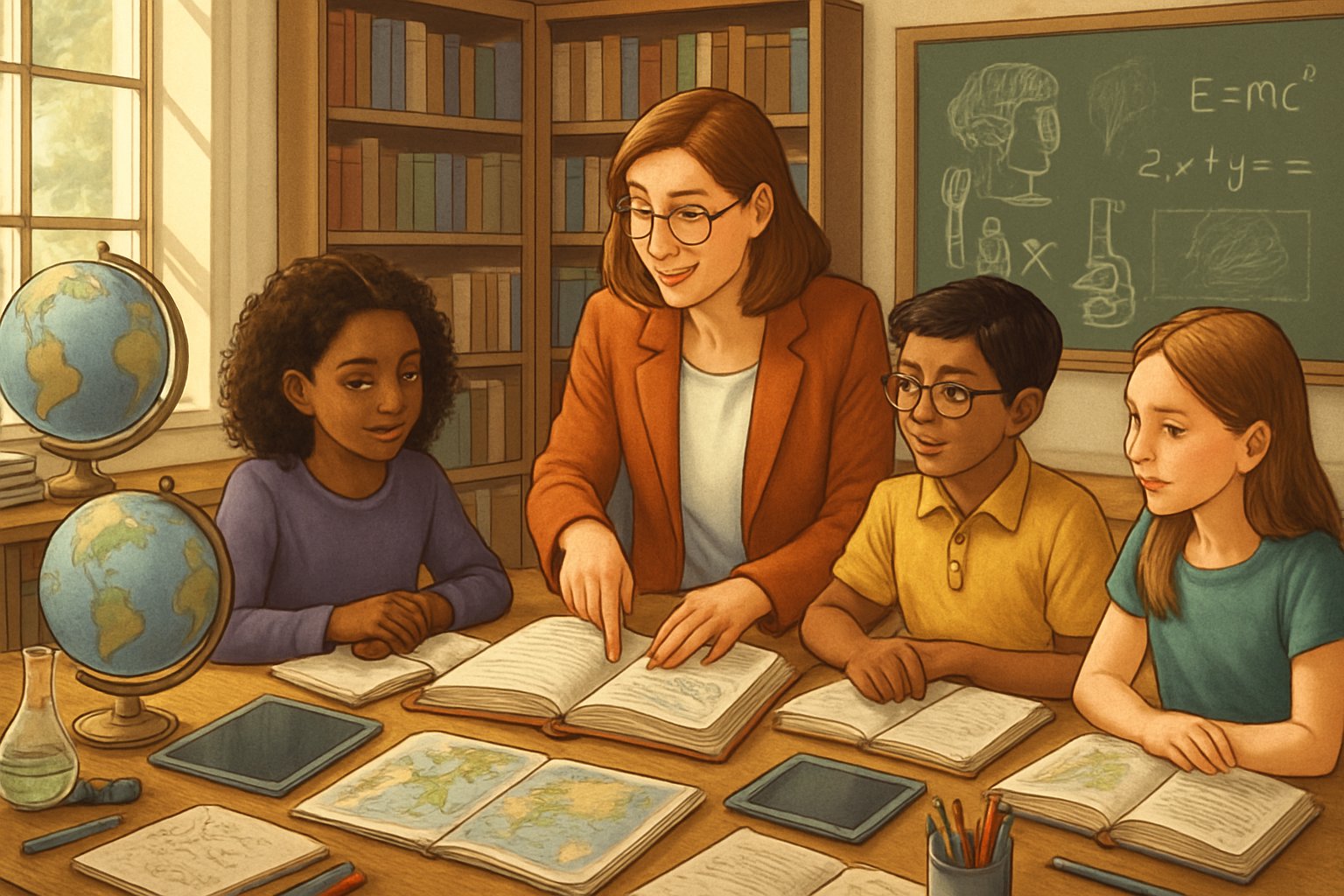
Families can choose from many literature-based homeschool curriculums that vary in tone, philosophy, and structure. Each takes a distinct approach to using books as the core of learning, helping students connect ideas across language arts, history, and science in practical and meaningful ways.
Sonlight and BookShark
Sonlight and BookShark both focus on a complete, story-centered education using rich book lists instead of standard textbooks. Sonlight offers a Christian worldview, while BookShark provides a secular option.
Both include detailed instructor guides, reading schedules, and comprehension questions that make planning straightforward. These programs let families teach multiple ages together by cycling through history-based themes.
Sonlight blends Bible study and missionary biographies into lessons, while BookShark centers on high-quality literature and nonfiction. Each package includes language arts and social studies, often linking these subjects to shared reading.
Both offer curated book collections so parents can buy everything needed in one package. Their structure supports steady daily reading, encouraging children to engage deeply with texts.
More details can be found on the Homeschool Planning site.
Beyond the Page and Moving Beyond the Page
Beyond the Page and Moving Beyond the Page use literature to connect reading, writing, science, and social studies in hands-on ways. They invite students to think critically while relating stories to real-world themes.
Moving Beyond the Page provides complete units for younger grades and subject-specific sets for older students. It integrates inquiry-based projects and creative assignments that align with each book read.
This makes it easy for students to draw connections between fiction and academic subjects. Beyond the Page emphasizes independent learning for older ages while keeping lessons highly interactive.
Its mix of activity guides, project journals, and creative writing builds both comprehension and expression. Learn more at Homeschool Planning.
Oak Meadow, Build Your Library, and Beautiful Feet Books
Oak Meadow, Build Your Library, and Beautiful Feet Books bring flexibility and creativity to the homeschool experience. Oak Meadow uses a nature-based, arts-focused approach that appeals to families who value gentle, holistic education.
Its materials combine literature, science, and social studies in project-rich lessons. Build Your Library takes a secular stance, offering history-centered units that weave in writing, geography, and art.
It provides open-ended assignments and adaptable reading lists so families can tailor lessons to different ages. Beautiful Feet Books highlights faith-based literature with a focus on history.
It encourages children to see historical events through stories and biographies rather than dry chronology. These programs all show how a literature-based homeschool curriculum can make learning more personal.
Ambleside Online, Tapestry of Grace, and Simply Charlotte Mason
Ambleside Online, Tapestry of Grace, and Simply Charlotte Mason draw heavily from the Charlotte Mason educational philosophy. They emphasize narration, copywork, and nature study alongside literature.
Ambleside Online provides a free, structured program built around “living books.” Families can access full book lists and schedules online.
It aims to cultivate a lifelong love of reading and observation.
Tapestry of Grace blends classical learning with a chronological study of history using literature, geography, and writing. It is adaptable for students from kindergarten to high school.
Families can study the same time period together at different depth levels.
Simply Charlotte Mason simplifies planning with ready-to-use book lists and lesson plans. It prioritizes character development and gentle pacing.
Leave a Reply