The Power of Hands-On History Learning
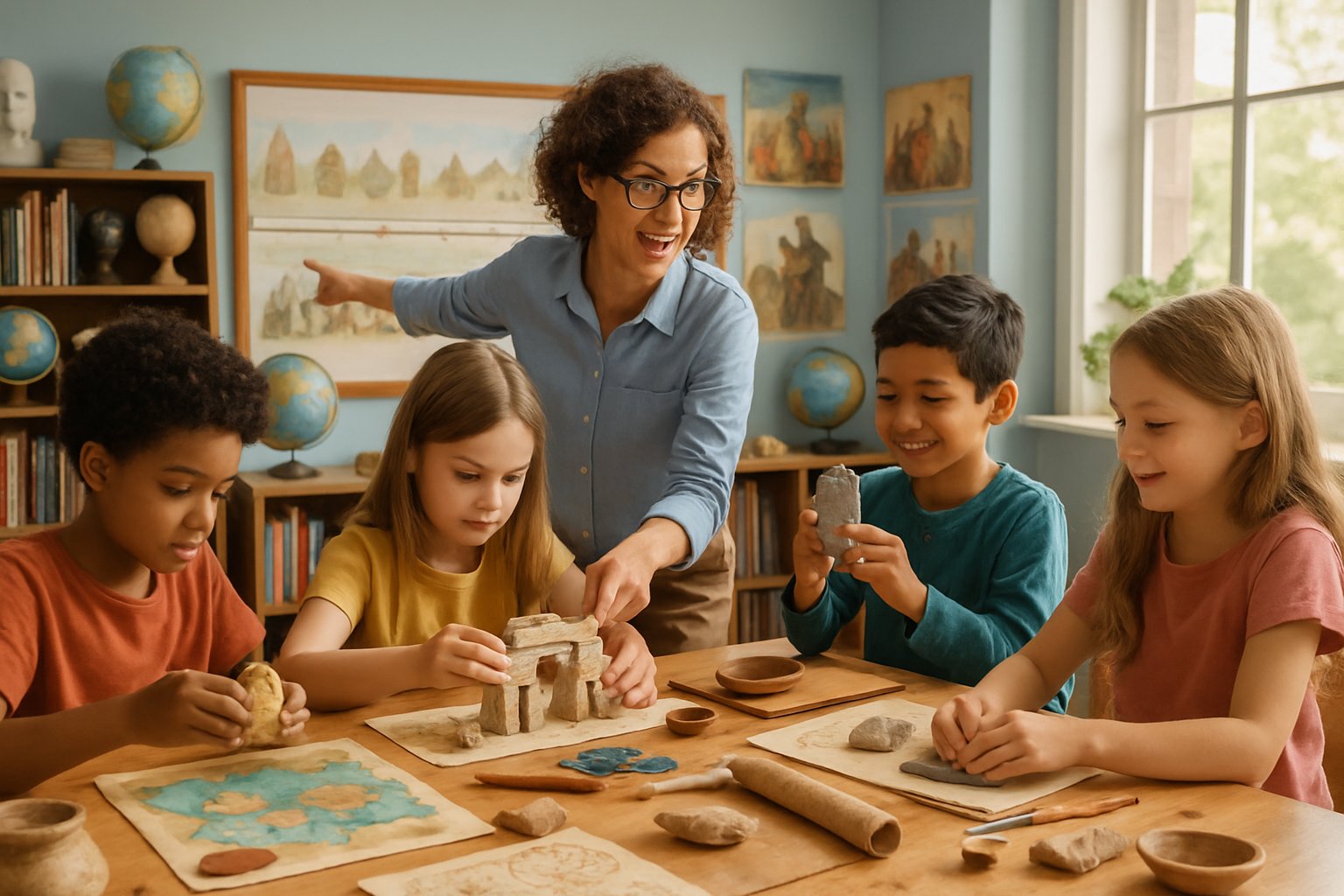
When students touch, build, and role-play historical scenarios, they develop stronger connections to the past than traditional textbook methods allow. These interactive approaches help different types of learners succeed while making abstract historical concepts feel real and meaningful.
Engaging Different Learning Styles
Traditional history classes often favor students who learn best by reading and listening. Hands-on history activities help students with different learning preferences succeed in ways that textbooks cannot provide.
Visual learners benefit from creating timelines, maps, and historical artwork. They can sketch battle formations or design period-appropriate costumes. These activities help them see patterns and connections between events.
Kinesthetic learners thrive when they can move and touch objects during history lessons. They excel at building models of ancient structures or acting out historical scenes. Physical movement helps them remember information better than sitting still.
Auditory learners gain from storytelling activities and group discussions about historical events. They can create podcasts about historical figures or participate in debates. Speaking and hearing information helps cement their understanding.
Tactile learners need to handle materials and work with their hands. Crafting historical artifacts or digging through mock archaeological sites appeals to their need for physical interaction. Creating historical artifacts like Roman coins or Native American pottery gives them concrete connections to the past.
Teachers who use multiple activity types reach more students effectively. Each student can find ways to connect with historical content that match their natural learning preferences.
Building Deeper Understanding of Historical Events
Hands-on activities transform abstract dates and names into meaningful experiences. Students develop empathy for historical figures when they face similar challenges through simulations and role-playing exercises.
When students build medieval catapults, they understand the engineering skills people needed centuries ago. They realize that historical people were intelligent problem-solvers, not just names in textbooks. This physical experience makes ancient technology feel real and impressive.
Reenacting historical events helps students grasp the emotions and pressures people faced. Acting out a Continental Congress debate shows them how difficult political decisions really were. Students learn that historical outcomes were not inevitable.
Creating period crafts teaches students about daily life in different eras. Making soap or candles the colonial way shows them how much work simple tasks required. They appreciate modern conveniences more after experiencing historical methods.
Archaeological simulations demonstrate how historians piece together incomplete evidence. Students learn that history involves detective work and educated guessing. They understand why historians sometimes disagree about events.
These experiences stick in memory longer than reading alone. Students remember the frustration of starting a fire with flint or the satisfaction of completing a historical craft. Physical memories reinforce factual learning.
Connecting Classroom Activities to Real Life
Hands-on history activities that use local resources help students see connections between past and present in their own communities. These activities make history feel relevant rather than distant and unrelated to modern life.
Students can interview elderly community members about their experiences during historical events. A conversation with someone who lived through the Civil Rights era makes that period more real than any textbook description. Local perspectives add personal dimensions to national events.
Field trips to nearby historical sites show students that history happened in places they can visit. Walking through a preserved battlefield or historic house makes events feel tangible. Students often express surprise that historical events occurred so close to home.
Community archaeology projects let students contribute to actual historical research. They learn that history is still being discovered and interpreted. Their work might uncover artifacts that add to local historical knowledge.
Local history research projects help students understand how national events affected their specific area. They might discover how the Great Depression impacted their town or how local people contributed to World War II efforts. These connections make large historical events feel personally meaningful.
Students begin seeing historical patterns in current events when they understand how past decisions shaped their communities. They develop critical thinking skills that apply to modern civic participation and decision-making.
Top Hands-On Activities for History Lessons
Interactive timeline projects help students visualize historical events in chronological order. Role-playing activities let students step into the shoes of famous historical figures to understand their perspectives. Artifact reproduction brings ancient cultures to life through hands-on creation.
Timelines and Creative History Timeline Projects
History timeline projects give students a visual way to understand when events happened. Teachers can have students create large floor timelines using masking tape and index cards.
Interactive Timeline Ideas:
- 3D timelines using boxes or poster board stands
- Digital timelines with photos and videos
- Living timelines where students act out events in order
Students can focus on specific time periods like Ancient Egypt or World War II. They add important dates, key people, and major events to their timelines.
Timeline Materials:
- Poster board or butcher paper
- Colored markers and pencils
- Photos or drawings of historical events
- String or yarn for connections
The timeline becomes a reference tool throughout the unit. Students see how events connect to each other over time.
Historical Figure Role-Plays and Interviews
Students dress up as famous people from history for interactive presentations. They research their character’s life, beliefs, and time period before the role-play activity.
Role-Play Activities:
- Living museum where students pose as historical figures
- Talk show interviews with historical personalities
- Debates between people from different time periods
- Day-in-the-life presentations showing typical activities
Teachers can set up interview stations around the classroom. Students rotate and ask questions to different historical figures.
Character Research Elements:
- Clothing and appearance of the time period
- Important achievements and challenges
- Daily life and customs
- Speaking style and vocabulary
This activity helps students understand that historical figures were real people. They learn about different perspectives and viewpoints from the past.
Art and Artifact Reproduction Projects
Students create replicas of historical objects to understand how people lived in different time periods. Art activities provide hands-on ways to learn history while developing creativity.
Artifact Projects:
- Egyptian hieroglyphics on papyrus paper
- Medieval illuminated manuscripts with decorative letters
- Native American pottery using clay
- Roman mosaics with small tiles or paper squares
Students research the original artifacts before creating their versions. They learn about materials, techniques, and cultural significance.
Art Supply Options:
- Clay for pottery and sculptures
- Paints and brushes for decorative items
- Paper and markers for documents
- Fabric scraps for historical clothing
These projects help students connect with daily life in historical periods. They understand the time and skill needed to create items without modern tools.
Project-Based Learning Approaches in the History Classroom
Students learn history best when they actively engage with the material through extended research projects and creative activities. These approaches help students develop critical thinking skills while exploring historical events in depth.
Research-Driven Group Projects
Project-based learning transforms history lessons by letting students work together on real historical questions. Teachers can assign groups to investigate specific time periods or events over several weeks.
Students might create documentaries about World War II battles. They research primary sources like letters and photographs. Each group member takes on different roles like researcher, writer, or video editor.
Another effective approach involves oral history projects. Students interview family members about their experiences during historical events. They record stories and create presentations to share with the class.
Popular Research Project Ideas:
- Community history investigations
- Biography studies of historical figures
- Comparative studies of different time periods
- Archaeological site explorations
Teachers should provide clear rubrics and check-in points. This helps students stay on track with their research. Regular feedback ensures projects meet learning goals while keeping students engaged.
Interactive Lapbooks and Notebooks
Lapbooks offer a hands-on way for students to organize information about historical events. These folded paper books contain mini-books, flaps, and pockets that students fill with facts and drawings.
Students create different sections for causes, effects, and key figures. They might include timelines, maps, and vocabulary words. Each lapbook becomes a personal reference tool.
Interactive notebooks work similarly but use regular composition books. Students add foldables, graphic organizers, and illustrations. The left side contains creative activities while the right side has notes and facts.
Essential Lapbook Components:
- Timeline foldables for chronological events
- Character pockets with biographical information
- Map sections showing geographical importance
- Vocabulary wheels with key terms
These activities work well for all grade levels. Younger students focus on basic facts while older students analyze deeper connections. The physical act of creating helps students remember information better.
Comics and Visual Storytelling for Historical Events
Comics make complex historical events easier to understand and remember. Students create their own comic strips showing important moments in history. They draw characters, write dialogue, and design action scenes.
This approach works especially well for dramatic historical events. Students might illustrate the Boston Tea Party or the signing of important treaties. They must research accurate details about clothing, settings, and dialogue.
Digital tools make comic creation even more engaging. Students use apps and websites to design professional-looking comics. They can add sound effects, colors, and special fonts to enhance their stories.
Comic Strip Elements for History:
- Accurate historical settings and costumes
- Dialogue that reflects the time period
- Clear sequence of events
- Educational captions explaining context
Visual storytelling helps students with different learning styles. Some students struggle with traditional writing but excel at drawing and design. Comics combine both skills while making classroom activities more enjoyable and memorable.
Making History Fun With Games and Collaborative Activities
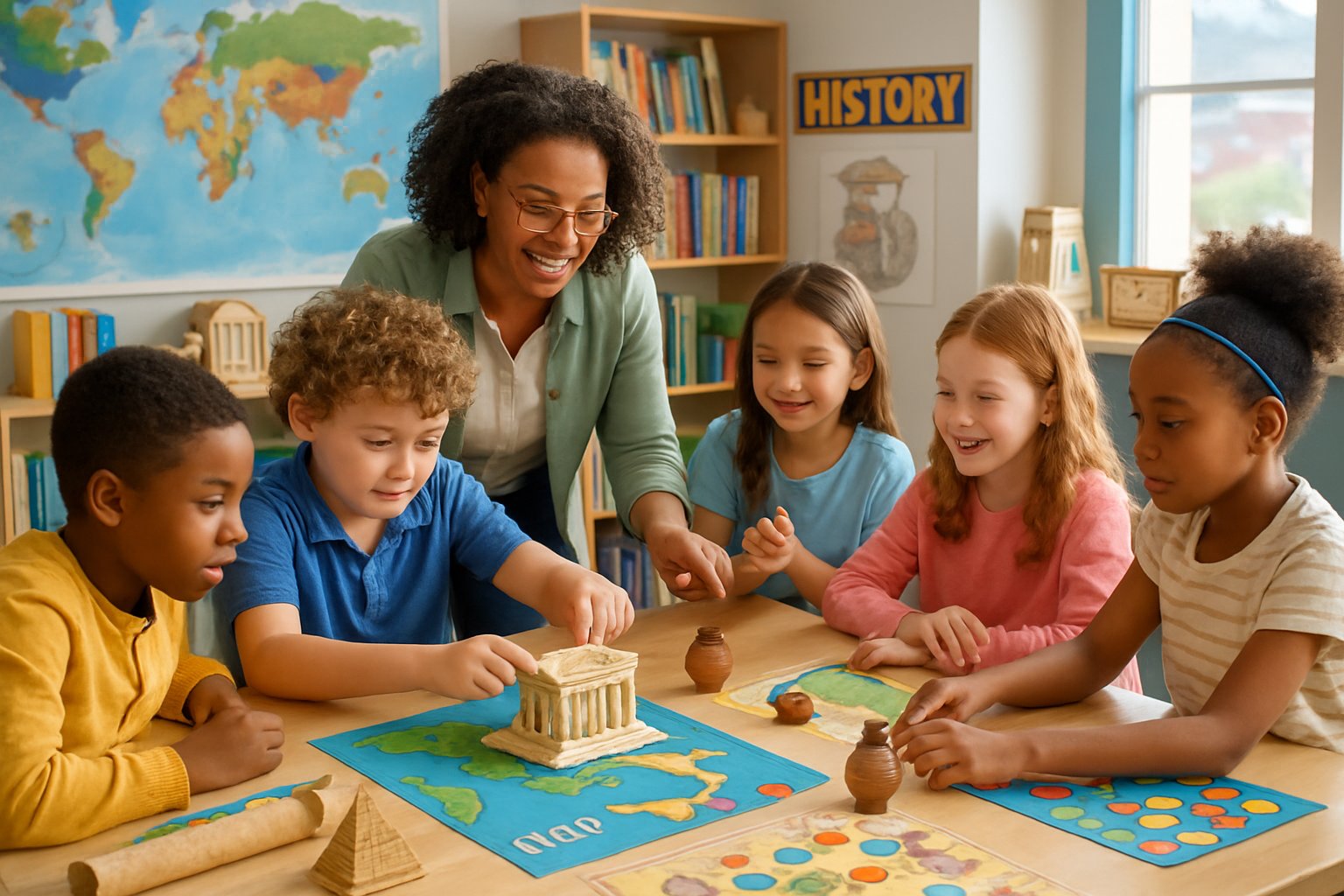
Games and group projects turn boring history lessons into exciting adventures that students actually want to join. These activities help kids remember historical events better while working together and having fun.
Card Games and Board Games About History
Teachers can create simple card games using index cards with historical figures on one side and facts on the other. Students match presidents with their accomplishments or wars with their dates.
Board games work great for collaborative learning in the history classroom. Kids can design their own games about the Civil War or World War II.
Popular History Game Ideas:
- Timeline races with event cards
- Historical figure guessing games
- Geography games with ancient maps
- Trading games about colonial America
Students enjoy making quiz games for each other. They write questions about historical events they just studied. This helps them remember facts better than just reading textbooks.
Scavenger Hunts and Escape Room Challenges
Scavenger hunts get students moving around the classroom or school grounds. Teachers hide clues about the American Revolution or ancient Egypt in different locations.
Students solve puzzles to find the next clue. Each clue teaches them something new about historical events or famous people.
Escape rooms challenge groups to work together. They might need to decode a message from George Washington or solve math problems about Egyptian pyramids.
Escape Room Setup Ideas:
- Lock boxes with combination codes from historical dates
- Puzzles using maps from different time periods
- Riddles about famous historical figures
- Code-breaking activities with ancient languages
These hands-on activities make history more tangible for students. They remember lessons better when they have to think and move around.
Cooking and Crafts from Historical Periods
Cooking historical recipes helps students understand daily life in different time periods. They can make hardtack like Civil War soldiers ate or corn bread like Native Americans made.
Students learn about available ingredients and cooking methods from each era. They discover why people ate certain foods and how they preserved them without refrigerators.
Craft projects bring historical events to life through art. Students might make Egyptian jewelry, medieval shields, or colonial candles.
Historical Craft Projects:
- Paper making like ancient Chinese people
- Weaving on simple looms
- Creating cave paintings with natural materials
- Building mini log cabins or pueblos
These activities show students how people lived and worked long ago. They understand history through their hands and senses, not just their minds.
Art activities give insight into culture and people from different eras. Students see how creativity and daily needs shaped what people made and ate.
Leave a Reply