Essential Strategies for Homeschooling Multiple Kids

Families who homeschool multiple kids often find success when they focus on structure, flexibility, and teamwork. Using shared lessons, one-on-one time, and independent learning helps keep each child engaged and reduces stress for parents.
Prioritizing the Core Subjects
When homeschooling multiple ages, parents should start each day with core subjects like reading, writing, and math. These areas build essential skills and give structure to the day. Once these are complete, they can move on to other lessons or activities.
A simple schedule helps manage time. For example:
| Time | Subject | Focus |
|---|---|---|
| 9:00–9:45 | Reading | Family read-aloud or individual books |
| 10:00–10:45 | Math | Worksheets or online lessons |
| 11:00–11:30 | Writing | Journals or creative writing |
Keeping lessons short helps children stay focused. As recommended by My Little Poppies, short sessions and frequent breaks maintain energy and attention across different age levels.
Combining Subjects for Group Learning
Teaching some subjects together saves time and builds connection among siblings. Group lessons work well for history, science, and art. Parents can choose a shared topic—like plants or ancient Egypt—and then tailor assignments by age.
Younger children might draw or label pictures, while older ones write reports or research projects. This approach encourages teamwork and keeps everyone learning the same theme at their own level.
Families can also use group reading or storytelling. According to Triad Moms on Main, reading aloud while kids do quiet activities such as drawing or building helps them listen and learn together without chaos.
Structuring One-on-One Time
Each child benefits from personal attention. Setting aside short one-on-one sessions allows parents to focus on individual needs, especially in reading and math. Even 15–20 minutes per child can make a difference.
During this time, other kids can work independently or use a “busy box” filled with quiet toys or learning games. This idea, shared by Triad Moms on Main, keeps younger children occupied while older ones receive focused instruction.
Parents can rotate one-on-one time daily or weekly based on who needs extra help. Keeping a simple checklist of goals for each child ensures no subject or skill gets overlooked.
Teaching Independence and Responsibility
Encouraging independence helps children take ownership of their learning. Older students can follow checklists, track assignments, or use planners. Younger ones can handle small tasks like organizing materials or cleaning up their workspace.
This not only builds responsibility but also frees parents to assist others. As noted by Clever Homeschool, using clear systems and daily schedules helps families stay organized and balanced.
Parents can introduce independence gradually. For example, assign one self-guided subject per day, such as handwriting or reading. Over time, children learn to manage their tasks confidently, making homeschooling multiple kids smoother for everyone.
Organization and Time Management for a Calm Homeschool

Staying organized helps families reduce stress, save time, and keep learning on track. A clear plan, realistic routines, and flexible tools make it easier to balance multiple children’s needs without feeling overwhelmed.
Creating Flexible Schedules
Families benefit from structure, but too much rigidity can cause frustration. A flexible schedule allows adjustments when lessons take longer or when a child needs extra attention.
Many parents find success by blocking time for subjects instead of assigning exact minutes. For instance, “Math from 9–10” can become “Math block in the morning.” This approach keeps the day predictable but forgiving.
Homeschooling experts at Homeschool Connections suggest setting realistic goals and including short breaks to recharge. A mix of learning, rest, and free play helps everyone stay focused and calm.
Tip: Post the daily plan where everyone can see it. Kids feel more secure when they know what comes next.
Utilizing a Homeschool Planner
A homeschool planner keeps lessons, materials, and goals in one place. Parents can track progress, record grades, and plan future topics. It also helps avoid last-minute stress when preparing reports or evaluations.
Digital planners work well for families who prefer quick edits and reminders. Paper planners appeal to those who like writing things down and reviewing them later. Some parents use both—digital for scheduling and paper for journaling.
Websites like Homeschool.com emphasize that planning tools reduce time wasted searching for resources or redoing forgotten tasks. A consistent planner habit supports accountability and keeps the homeschool running smoothly.
Planner essentials:
| Category | Example |
|---|---|
| Lesson Plans | Weekly subject outlines |
| Resources | Book lists, websites |
| Goals | Academic and personal |
| Notes | Reflections, reminders |
Managing Routines and Expectations
Routines give children a sense of order and help parents manage energy throughout the day. Predictable patterns—like morning reading or afternoon cleanup—make transitions smoother.
Parents can start with a simple rhythm and add more structure as needed. The key is consistency, not perfection.
According to Learning Without Limits, families who stick to manageable routines feel less overwhelmed. Setting clear expectations about schoolwork, chores, and free time helps children build independence.
Simple routine ideas:
- Begin with group subjects, then move to independent work.
- Include snack and movement breaks.
- End the day with review or reading together.
Small, steady routines create a calm, productive homeschool atmosphere.
Making Learning Enjoyable and Sustainable
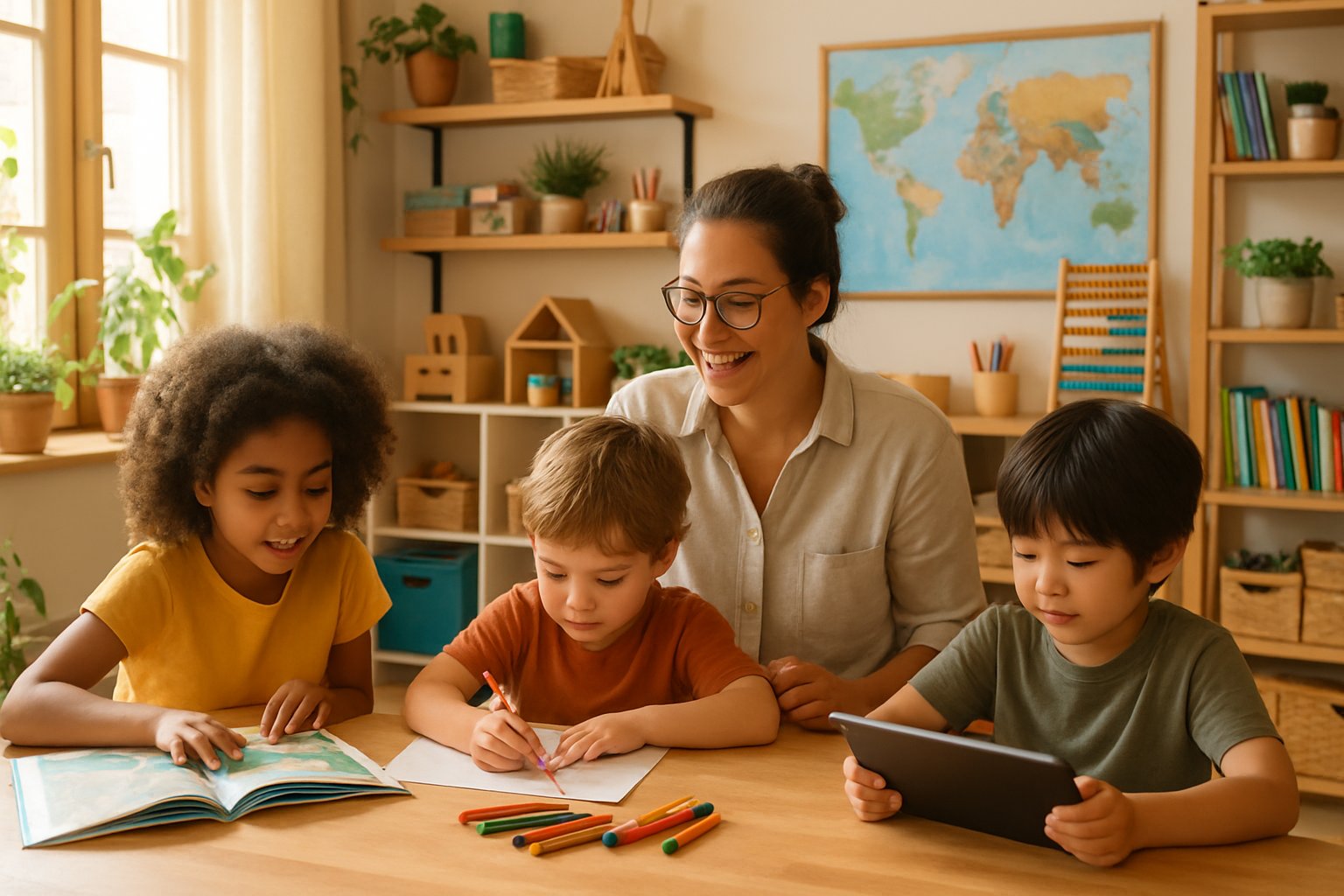
Families can help children stay focused and curious by adding variety, movement, and creativity to their homeschool days. Mixing hands-on projects, outdoor exploration, and digital tools keeps lessons balanced and meaningful.
Incorporating Hands-On Activities
Hands-on activities help children learn by doing. They can build, experiment, or create something that connects with what they study. For example, kids can start a small garden to learn about plant life or use recycled materials to build models that explain science concepts.
A simple table of ideas for different subjects:
| Subject | Hands-On Activity |
|---|---|
| Science | Grow bean plants or build a volcano |
| Math | Use measuring cups for fractions |
| History | Create a timeline poster |
| Art | Make nature collages |
Parents can find more creative ideas for eco-friendly projects from 12 ways to teach sustainability through hands-on projects. These activities help children apply what they learn and stay engaged longer.
Encouraging Outdoor Exploration
Outdoor learning gives children a change of scenery and helps them connect lessons to real life. Nature walks, gardening, or bird watching can turn science or geography into experiences rather than just reading tasks.
Families might try a “nature journal” where kids record what they see, draw plants, or note weather changes. This builds observation skills and encourages curiosity.
Parents can also teach environmental care through small projects like composting or recycling. Activities such as those found in 10 fun ways to teach kids about sustainability at home make outdoor learning enjoyable and meaningful.
Using Visual and Digital Resources
Visual and digital tools can make complex ideas easier to understand. Short videos, virtual tours, and educational apps allow children to see and interact with lessons.
Parents can use free online platforms for math practice, science experiments, or history documentaries. Digital flashcards and interactive maps keep learning active and visual.
A mix of printed materials and digital media helps balance screen time while keeping lessons fresh. Using visuals appeals to different learning styles and supports children who learn best through seeing rather than only reading or listening.
Leave a Reply