7 Creative Ways to Make Math Fun for Homeschoolers
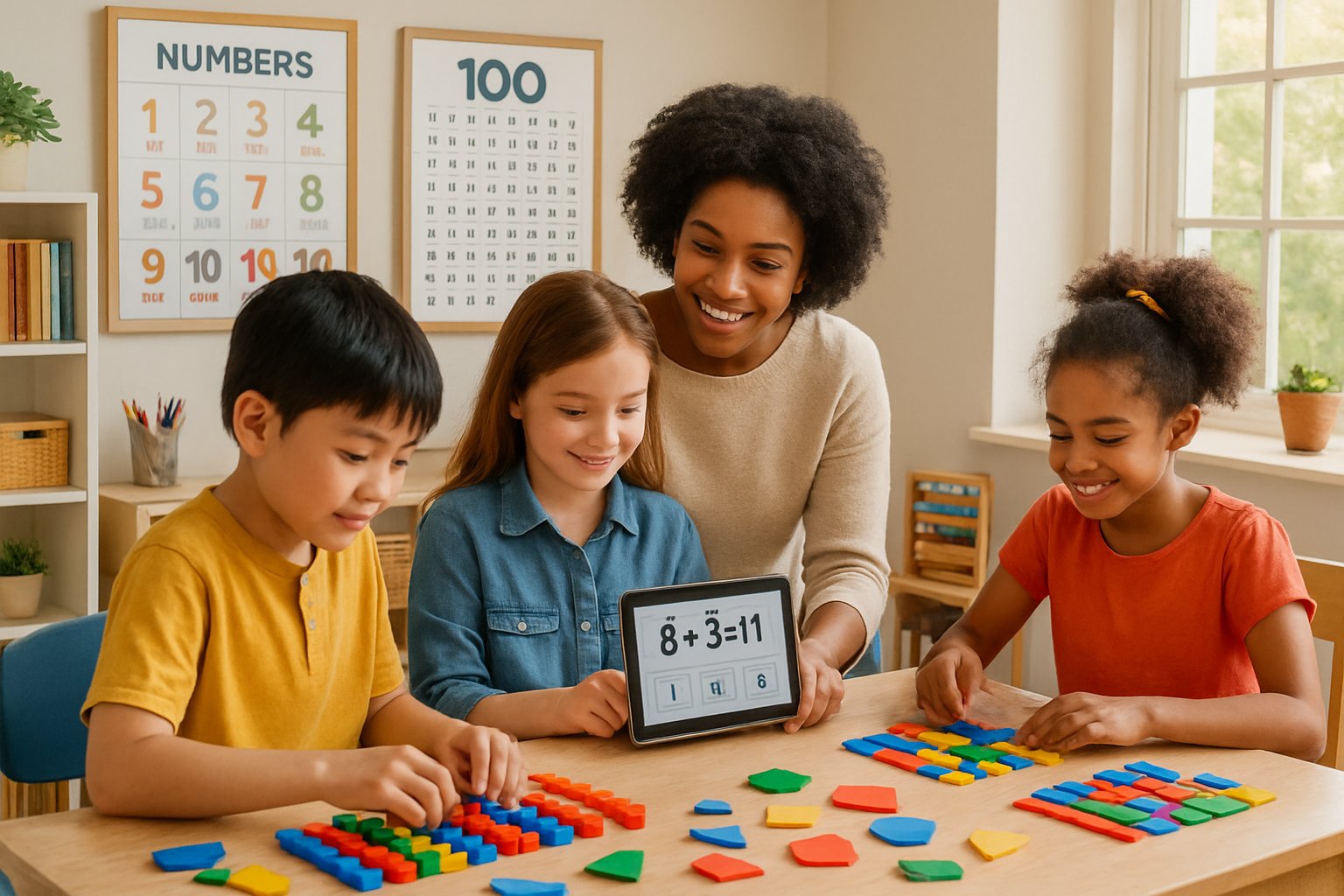
Homeschoolers can enjoy math more when lessons feel like play, involve movement, and connect to daily life. Using games, hands-on materials, stories, and digital tools helps students practice skills while staying engaged.
Play Engaging Math Games and Board Games
Games turn math practice into friendly competition. Simple card games like “Math War” build quick thinking with addition or multiplication facts. Board games such as Monopoly or Yahtzee help children apply math to real situations involving money, counting, and probability.
Parents can also create homemade math games using dice or flashcards. Online tools like Prodigy’s math games use rewards and challenges to keep students motivated.
Playing together encourages communication, teamwork, and problem-solving. It also helps children see that math is not just about worksheets but about strategy and decision-making.
Use Manipulatives and Hands-On Tools
Manipulatives make math concrete. Items like counting cubes, fraction circles, and base-ten blocks help children visualize numbers and operations. Younger learners can use toys, buttons, or snacks to practice sorting, grouping, and counting.
Homeschoolers can build a small toolkit with affordable manipulatives or household objects. A Better Way to Homeschool suggests collecting reusable materials for years of hands-on learning.
Using manipulatives allows students to explore patterns, symmetry, and geometry through touch. This tactile approach benefits learners who need to “see and feel” math to understand it.
Incorporate Math Apps and Digital Resources
Math apps make learning interactive and adaptable. Programs like CTCMath and Khan Academy offer video lessons, quizzes, and progress tracking. Many apps turn practice into a game, which keeps students engaged longer.
Parents can choose apps that match their child’s level and learning goals. The Homeschool Quest recommends using digital tools with printables and games for variety.
A mix of screen-based and offline activities helps prevent fatigue. When used wisely, technology reinforces concepts and builds confidence in problem-solving.
Explore Math Through Real-Life Word Problems
Real-life word problems show how math applies beyond the classroom. Cooking, shopping, and budgeting all involve measurements, estimation, and basic arithmetic.
Parents can ask children to calculate grocery totals or adjust recipes to practice fractions. Hip Homeschool Moms suggests connecting math to daily routines like travel planning or gardening.
When students solve meaningful problems, they understand why math matters. It also helps them develop reasoning and decision-making skills they’ll use throughout life.
Bring Math to Life with Picture Books and Stories
Stories help children connect emotionally with math ideas. Picture books that include counting, shapes, or problem-solving make abstract ideas easier to grasp. Titles like The Greedy Triangle or Sir Cumference and the Dragon of Pi combine narrative with math lessons.
Parents can use storytime to discuss math concepts naturally. 2 Peas and a Dog highlights storytelling as a creative way to make math enjoyable and meaningful.
Reading aloud or creating original math stories encourages imagination and literacy while reinforcing comprehension of numbers and operations.
Try Math Puzzles and Brain Teasers
Math puzzles challenge students to think critically and creatively. Sudoku, logic grids, and tangrams build reasoning and spatial awareness. These activities can be short, fun breaks from regular lessons.
Books like The Moscow Puzzles or Math Riddles and Brain Teasers provide a range of challenges for different ages. Hip Homeschool Moms recommends using puzzles as rewards or enrichment.
Puzzles build persistence and problem-solving skills. They also show that math can be playful and satisfying, not just about finding the “right answer.”
Make Math Active for Kinesthetic Learners
Kinesthetic learners benefit from movement. Jumping jacks, hopscotch, or relay races can include counting, multiplication, or measuring distances. Outdoor math games combine exercise with learning.
Parents can mark number lines on the floor or use chalk to create math obstacle courses. Hip Homeschool Moms suggests linking physical activity to math lessons to boost focus and energy.
Active math keeps restless learners engaged and helps them connect body movement to abstract ideas. It’s a simple way to make math memorable and fun.
Helpful Strategies for Parents Who Dislike Math
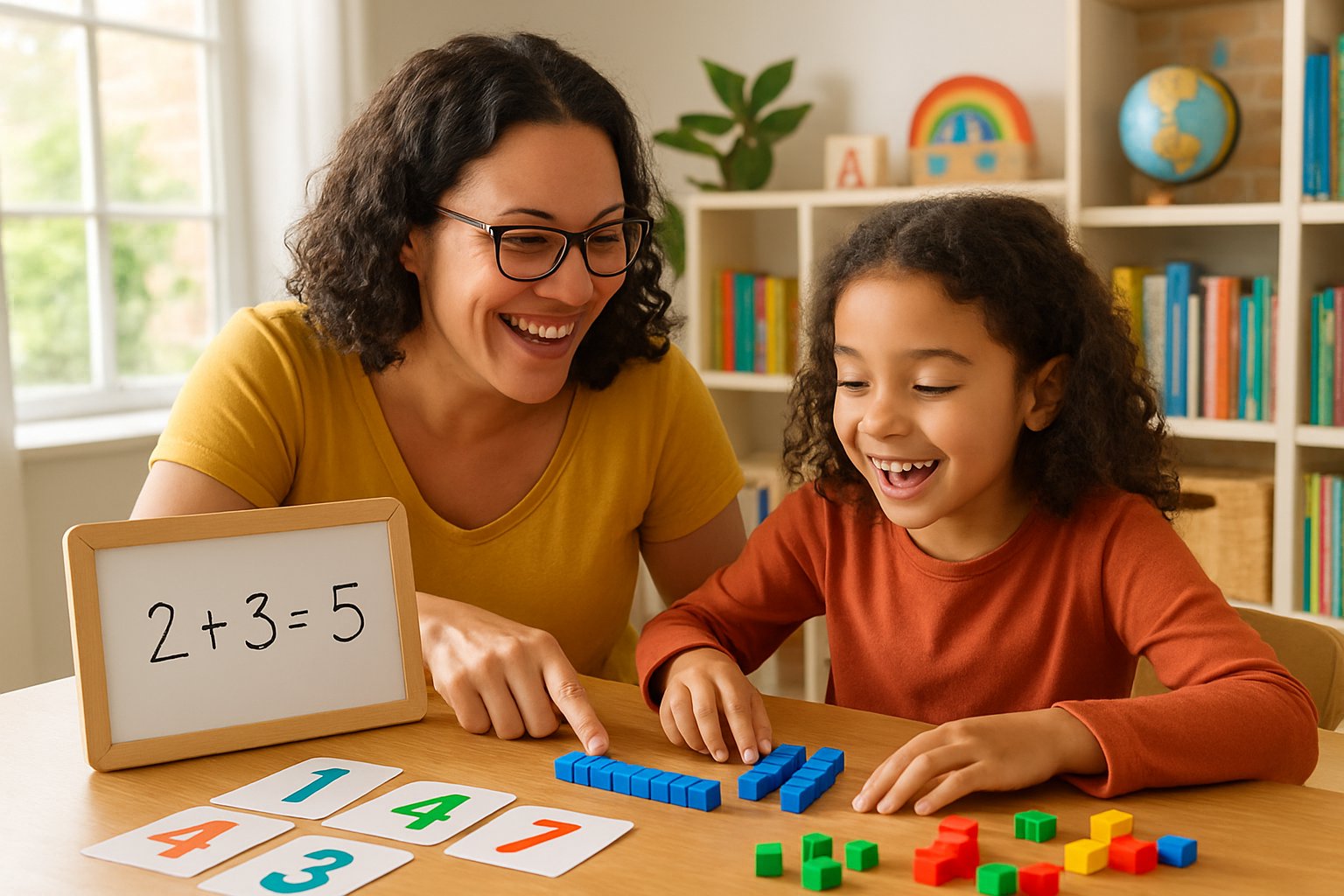
Parents who feel uneasy about math can still guide their children with confidence. Using structured online tools, printed resources, and targeted teaching methods helps make math more manageable and less intimidating for both parent and child.
Leverage Online Programs Like Khan Academy
Online programs such as Khan Academy provide free, structured lessons that adapt to each learner’s pace. Parents who dislike math can rely on these guided videos and practice exercises to reduce pressure and confusion.
Khan Academy’s dashboard tracks progress and highlights areas needing review. This feedback helps parents see where their child struggles without having to grade or explain complex topics.
Parents can build a consistent routine by setting aside short, daily sessions. Many families use the platform alongside other tools like CTCMath or printable worksheets for variety.
| Benefit | Description |
|---|---|
| Self-paced learning | Children move through lessons at their own speed |
| Free and accessible | No subscription cost or special materials |
| Visual instruction | Video tutorials simplify difficult math ideas |
Utilize Math Workbooks and Practice Resources
Math workbooks help children practice skills through repetition and structured exercises. Parents who dislike math can depend on these printed or digital materials to provide ready-made lessons without needing to design activities themselves.
Workbooks from publishers like Evan-Moor or Singapore Math include answer keys, allowing parents to check work easily. This approach builds confidence for both learners and adults guiding them.
Parents can mix workbook time with hands-on activities such as counting objects or measuring ingredients. These real-life examples make math more engaging and connect it to daily routines.
For more ideas, parents can explore 11 practical tips for learning math at home that emphasize using simple, consistent practice.
Apply RTI Techniques for Struggling Learners
Response to Intervention (RTI) helps identify and support students who struggle with math early. It uses three levels of instruction—universal, targeted, and intensive—to meet each child’s needs.
Parents can apply RTI principles at home by observing where their child has trouble, offering extra practice, and adjusting instruction as needed. For instance, if a child struggles with fractions, they can use visual aids or manipulatives before moving to written problems.
Consistent monitoring is key. Parents can track progress using short quizzes or online assessments. Educational blogs like NWEA’s guide to improving math skills explain how small, steady adjustments lead to stronger understanding over time.
Leave a Reply