8 Things Homeschool Moms Know That Public School Parents Don’t
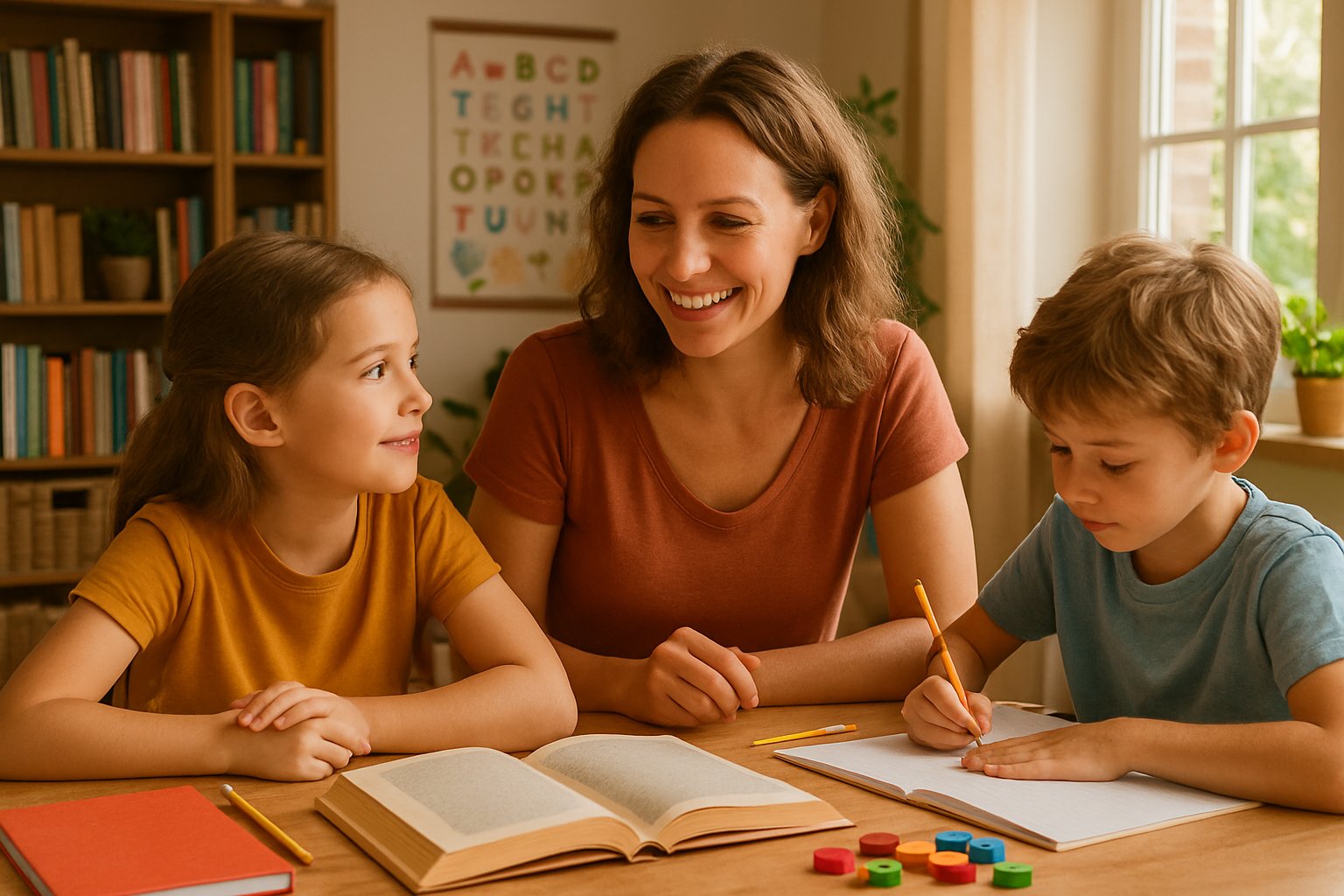
Homeschool moms understand that education looks different when it happens at home. They see how learning blends into daily life, how flexibility shapes growth, and how each child’s needs guide the pace and style of teaching. Their experience offers insight into how children thrive when curiosity leads the way.
Learning Happens Everywhere, Not Just in a Classroom
Homeschool moms know that lessons don’t stop when books close. Kids learn during grocery trips, nature walks, and kitchen experiments. A walk through a park can spark a science lesson about ecosystems, while cooking teaches fractions and chemistry.
This approach turns everyday experiences into opportunities for discovery. According to The Cut, play and exploration help children build early skills in math, language, and literacy.
Homeschool families value this freedom because it keeps learning active and meaningful. They see curiosity as the best teacher, not a desk or a bell schedule.
Personalized Homeschool Curriculum Beats One-Size-Fits-All
Homeschooling allows parents to design lessons that fit each child’s learning style. A homeschool mom might use hands-on activities for one child and reading-based lessons for another. This flexibility helps children move faster in subjects they enjoy and take more time where they need support.
A LoveToKnow article explains that homeschool moms follow state guidelines but still have freedom to choose materials and methods. This balance keeps education structured yet adaptable.
Example of customization:
| Subject | Approach | Tools Used |
|---|---|---|
| Math | Visual and tactile | Math manipulatives, games |
| Science | Project-based | Experiments, field trips |
| Reading | Interest-led | Book clubs, audiobooks |
This personalized focus helps homeschooled students stay engaged and confident.
Socialization Is Real—Just Different
Many people assume homeschooled kids lack social opportunities, but homeschool moms know that’s not true. Their children often join co-ops, sports teams, and community programs. They meet peers at church groups, clubs, and neighborhood events.
The LoveToKnow article notes that homeschoolers socialize in many ways outside the classroom. These experiences teach children how to interact with people of all ages, not just classmates.
Homeschool moms view socialization as a skill learned through real-world experiences. Their kids often develop strong communication and confidence because they practice it daily in varied settings.
You Don’t Need a Degree in Education to Teach Your Kids
A common misconception is that parents need a degree in education to homeschool. In reality, most homeschool moms rely on structured curricula, online resources, and community support. They act as facilitators, guiding their children through lessons and helping them find answers.
As explained by The Homeschool Mom, parents don’t have to be experts in every subject. They help their children connect with online classes, tutors, or local workshops when needed.
This approach builds independence. Homeschooled students learn how to research, ask questions, and take responsibility for their education—skills that serve them long after school ends.
Homeschooling Offers Flexibility and Freedom
Homeschooling gives families control over their schedule and learning environment. Lessons can happen in the morning, afternoon, or even during road trips. This flexibility allows families to travel, explore interests, and adapt to life changes without missing school days.
Homeschool moms appreciate the ability to pause when a child needs rest or focus longer on a tough concept. They can teach in the backyard, at a museum, or online.
This freedom helps children see learning as part of life, not something separate. It also reduces stress and encourages creativity in both teaching and learning.
Parenting and Teaching Go Hand in Hand
Homeschool moms understand that parenting and teaching often overlap. They guide their children’s behavior, emotions, and academics in one continuous process. This creates strong relationships built on trust and shared goals.
They also learn patience and adaptability. When a child struggles, the parent-teacher adjusts the method rather than labeling the child as behind.
According to LoveToKnow, homeschool moms practice self-discipline to keep lessons consistent while balancing family life. This blend of structure and care helps children feel supported both emotionally and academically.
Homeschooled Students Thrive on Unique Opportunities
Homeschooled students often explore subjects that interest them deeply. They might study astronomy, coding, or art for hours without worrying about a bell schedule. This freedom encourages mastery and creativity.
Many homeschool families take advantage of internships, volunteer work, and dual-enrollment college courses. These experiences prepare students for real-world challenges earlier than traditional settings might.
Homeschool moms see education as preparation for life, not just tests. Their children learn practical skills like budgeting, time management, and communication through daily routines and community involvement.
Unschooling and Alternative Approaches Work
Some homeschool families practice unschooling, a method that lets children lead their own learning based on interests and curiosity. Instead of following a set curriculum, parents provide resources and guidance as needed.
Unschooling encourages independence and critical thinking. Children learn by doing—building projects, researching topics, or starting small businesses.
While it may seem unconventional, many families find it effective for developing lifelong learners. As shared on Mom.com, homeschool moms often discover that less structure can lead to deeper understanding.
This approach works best when parents trust the learning process and stay involved as mentors, not just instructors.
How Homeschooling Transforms Family Life
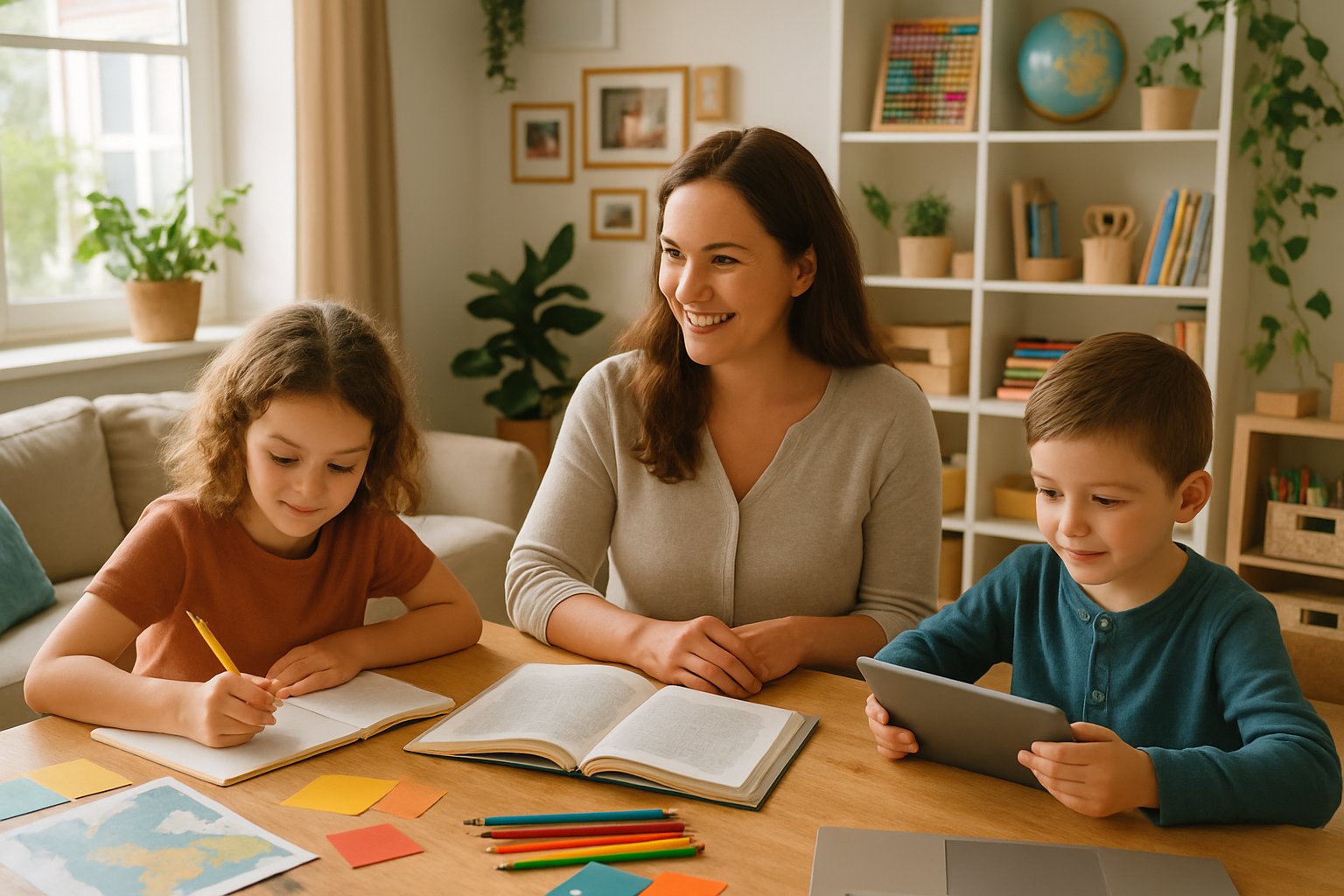
Homeschooling changes how families spend time together, how children learn, and how parents guide growth. It often leads to closer relationships, flexible routines, and learning that connects directly to daily life.
Homeschooling Parents Build Stronger Family Bonds
Homeschooling parents spend more time with their children, which helps them understand each child’s personality, strengths, and struggles. Shared learning experiences build trust and teamwork.
Families often describe this closeness as one of the biggest rewards of homeschooling. In Life Lessons I’ve Learned as a Homeschool Mom, one mom explains how teaching at home helped her see her children grow in ways she might have missed otherwise.
Daily routines like reading together, cooking lessons, or science experiments create natural opportunities for conversation. Parents guide not only academics but also values, empathy, and problem-solving.
Homeschooling also allows siblings to spend more time together. Many families notice stronger sibling relationships because they share projects and responsibilities throughout the day.
| Benefit | Description |
|---|---|
| Time Together | Parents and children interact through shared lessons and activities. |
| Emotional Growth | Children feel supported and understood. |
| Stronger Sibling Ties | Brothers and sisters learn cooperation and patience. |
Flexible Routines Support Individual Growth
Homeschooling gives families the freedom to design schedules that match each child’s pace and interests. Some kids learn best early in the morning, while others focus better later in the day.
This flexibility helps reduce stress and supports mental health. Parents can adjust lessons when a child struggles or move ahead when a topic clicks quickly. As described in Cool Things You Might Not Know That Can Help Your Homeschool, adapting to each child’s learning rhythm makes education more effective.
Homeschoolers can also explore personal passions. A child who loves art might spend extra time painting, while another dives deeper into coding or history. Parents act as guides, helping children take ownership of their learning.
Flexible routines also allow families to include rest, outdoor time, and community activities without the limits of a traditional school schedule.
Homeschoolers Embrace Real-World Learning
Homeschooling often extends beyond textbooks. Parents use everyday experiences—like shopping, volunteering, or field trips—as lessons in math, communication, and responsibility.
Families may join local co-ops or community programs to connect with others and gain hands-on experience. According to Homeschooling: The Lifeline We Didn’t Know We Needed, many homeschoolers benefit from partnerships with charter programs or online teachers that blend home study with real-world opportunities.
This approach helps children see how learning applies to life. They learn budgeting through grocery shopping, geography through travel, and science through gardening.
Homeschooling parents often say these experiences teach practical skills and confidence. Children learn to interact with people of different ages and backgrounds, preparing them for life beyond the classroom.
Leave a Reply