Understanding Emotional Challenges in Homeschooling
Homeschooling often brings unique emotional demands for both parents and children. Parents may feel pressure to balance teaching with household responsibilities, while children may struggle with limited social interaction or the intensity of learning at home. Recognizing these challenges early helps families build healthier routines and stronger connections.
Common Emotional Struggles for Parents
Parents who homeschool often carry the weight of multiple roles. They act as teacher, caregiver, and organizer, which can easily lead to stress. Many feel pressure to provide a “perfect” education, even when resources or time are limited.
Isolation is another challenge. Without daily contact with other adults, parents may feel alone in their journey. This lack of outside encouragement can create emotional fatigue and even self-doubt about their teaching abilities.
Stress also comes from managing different ages and learning styles. When one child needs extra help, another may feel overlooked. Over time, this imbalance can cause guilt or frustration.
Some parents use strategies such as establishing a daily rhythm, practicing self-care, or seeking support groups. A structured routine and intentional breaks, as suggested in Art of Homeschooling, can reduce chaos and help parents stay calm.
Emotional Experiences of Homeschooled Children
Children who learn at home may experience both benefits and challenges. On the positive side, they often enjoy closer family connections and more individualized learning. But limited daily social contact can sometimes lead to feelings of isolation or awkwardness.
Some homeschoolers miss the peer interactions that traditional schools provide. Without regular group activities, they may find it harder to practice teamwork or conflict resolution. Parents often address this by joining co-ops, sports, or community programs.
Children may also feel pressure if they sense their parent’s stress. Emotional tension in the household can influence their motivation and focus. Encouraging outdoor play, creative projects, or unstructured downtime can help balance these feelings.
Focusing on connection rather than perfection, as noted in The Emotional Roller Coaster, allows children to feel supported while still meeting academic goals.
Recognizing Signs of Stress and Burnout
Both parents and children can show signs of burnout during homeschooling. For parents, this may appear as irritability, fatigue, or difficulty staying consistent with lessons. Children may show resistance to learning, frequent meltdowns, or withdrawal from activities they once enjoyed.
A simple way to track well-being is to look for changes in behavior. For example:
| Signs in Parents | Signs in Children |
|---|---|
| Trouble sleeping | Sudden mood swings |
| Feeling overwhelmed | Avoiding schoolwork |
| Loss of patience | Complaints of boredom |
When these patterns continue, it may help to adjust schedules, reduce workload, or seek outside support. Practical steps like taking breaks, spending time in nature, or connecting with other families can ease emotional strain.
The Mental Health America guide suggests separating a child’s struggles from the parent’s sense of responsibility. This perspective allows parents to respond with empathy without taking on unnecessary guilt.
Building Emotional Resilience for Parents
Parents who homeschool often juggle teaching, household tasks, and their own work. Balancing these roles requires patience, self-awareness, and practical strategies to stay emotionally steady.
Setting Realistic Expectations
Parents may feel pressure to recreate a full school day at home, but this often leads to frustration. A more effective approach is to simplify routines and focus on what matters most. Research shows that children thrive when learning feels consistent but flexible, not rigid.
One useful method is to set daily priorities instead of long to-do lists:
- One learning goal for the child
- One household task
- One personal need for the parent
This balance helps prevent overwhelm. Families benefit when expectations match the reality of home life. As noted in guidance for reducing stress during homeschooling, parents don’t need to mimic traditional school structures. Instead, they can create routines that fit their own household rhythms.
Managing Parental Guilt and Self-Doubt
Many homeschooling parents question whether they are doing enough. Guilt often comes from comparing their efforts to traditional classrooms. Yet children gain unique benefits from home learning, such as stronger family connections and more individualized attention.
When self-doubt arises, parents can use simple reflection practices. Writing down three things that went well each day shifts attention toward progress. Practicing gratitude, as suggested in mental health strategies for parents, also helps reframe challenges.
It’s important to remember that children learn resilience by watching adults handle mistakes calmly. When parents model self-compassion, they show kids that setbacks are part of growth. This mindset reduces guilt and builds confidence in both parent and child.
Preventing and Addressing Burnout
Burnout is common when homeschooling parents neglect their own needs. Warning signs include irritability, loss of patience, and constant fatigue. Recognizing these signs early allows parents to make adjustments before stress becomes overwhelming.
Practical steps include:
- Scheduling short breaks during the day
- Building in exercise or outdoor time
- Asking for help from a partner, friend, or co-op
Parents who create a list of calming strategies, such as deep breathing or short walks, can return to these tools when stress builds. Experts emphasize that parental calm helps children regulate emotions. By protecting their own well-being, parents are better able to guide their children through the ups and downs of homeschooling.
Supporting Children’s Emotional Well-Being
Children thrive emotionally when they feel connected to others, believe in their abilities, and understand how to handle life changes. Homeschoolers benefit from intentional support in these areas because their learning environment often looks different from traditional classrooms.
Encouraging Social Connections
Homeschoolers may not interact with large groups of peers every day, so parents often need to create opportunities for social growth. Joining local co-ops, sports teams, or community classes helps children build friendships and practice important skills like cooperation and conflict resolution.
Regular playdates or group projects also give children the chance to share ideas and work together. Even activities outside of academics, such as music lessons or volunteering, can strengthen social bonds.
Technology can also help. Video calls, online clubs, or virtual study groups allow children to connect with peers who share their interests. These tools are especially useful for families in rural areas or those with limited access to in-person groups.
The key is balance. While structured activities are helpful, unstructured time with friends is just as valuable for building trust and learning how to manage emotions in social settings.
Fostering Self-Motivation and Confidence
Homeschooling gives children more control over their pace of learning, which can build confidence when guided well. Allowing them to set small, achievable goals encourages independence and helps them see progress in real time.
Parents can support motivation by offering choices. For example, letting a child pick between two writing topics or decide the order of daily tasks gives them a sense of ownership.
Celebrating effort instead of only results reinforces resilience. A simple chart, checklist, or journal can help children track their growth and reflect on what they’ve accomplished.
Positive feedback matters. Specific praise such as “You worked hard on solving that problem” builds self-belief more effectively than general comments. Over time, these practices strengthen both motivation and emotional security.
Helping Children Navigate Change
Transitions, such as moving to a new routine or adjusting to a different curriculum, can feel overwhelming for homeschoolers. Preparing children ahead of time reduces stress and helps them feel more secure.
Parents can explain changes in clear, simple steps. Using visuals like calendars or checklists makes the process easier to understand.
Maintaining familiar routines during times of change also provides comfort. For example, keeping the same morning rituals while introducing a new subject can help children feel grounded.
Encouraging open conversations about feelings is important. When children know their emotions are valid, they are more likely to adapt in healthy ways. Parents who model calm responses to change also show children how to manage uncertainty with confidence.
Strengthening the Parent-Child Relationship
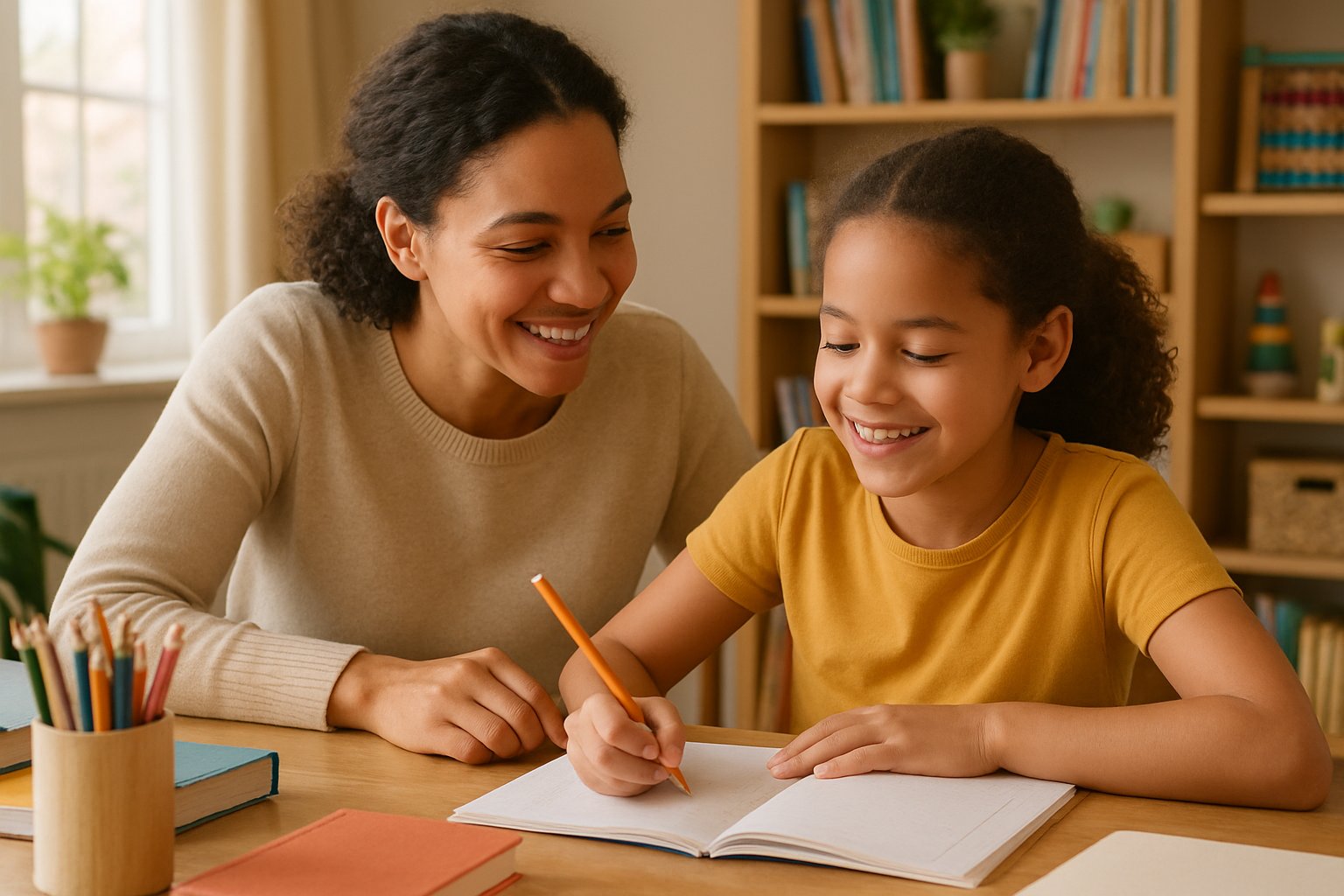
Homeschooling often changes how families spend their time together. Daily learning routines can either build stronger trust or create stress if not handled carefully. Clear communication and balanced roles help parents and children connect in positive and lasting ways.
Effective Communication Strategies
Parents who homeschool need to listen as much as they teach. When children feel heard, they are more likely to share their struggles and successes. Simple habits like asking open-ended questions and showing empathy can make conversations more meaningful.
For example, instead of asking “Did you finish your work?” a parent might ask, “What part of today’s lesson was hardest for you?” This invites reflection and encourages honesty.
Homeschoolers also benefit from having a safe space to express emotions. Parents can model calm responses during disagreements, showing children how to handle frustration without conflict.
A practical way to build stronger communication is to set aside a few minutes each day for check-ins. This short routine helps both parent and child stay connected beyond academic tasks. Families who practice this often notice improved cooperation and fewer misunderstandings, as seen in approaches that focus on shaping the heart of the relationship.
Balancing Roles of Parent and Teacher
One of the hardest parts of homeschooling is switching between being a parent and being a teacher. Children may resist lessons if they only see their parent as an authority figure. Parents can reduce tension by setting clear boundaries between “school time” and “family time.”
Some families use simple cues like a different room, a special desk, or even a change in tone of voice to signal when learning begins. This helps children understand expectations without confusion.
It is also important for parents to keep nurturing moments separate from lessons. Sharing meals, playing games, or taking walks reminds children that the parent-child bond is not only about academics.
By balancing roles, parents create a healthier dynamic where learning feels natural but the emotional connection remains strong. This balance often leads to the strengthened family ties that many homeschoolers experience.
Leave a Reply