Many families wonder what really happens behind classroom doors. They hear about lesson plans, testing goals, and busy teachers, but few realize how much goes unsaid about how schools actually work. This article helps families uncover what teachers often keep quiet about and how that insight can shape better learning choices at home.
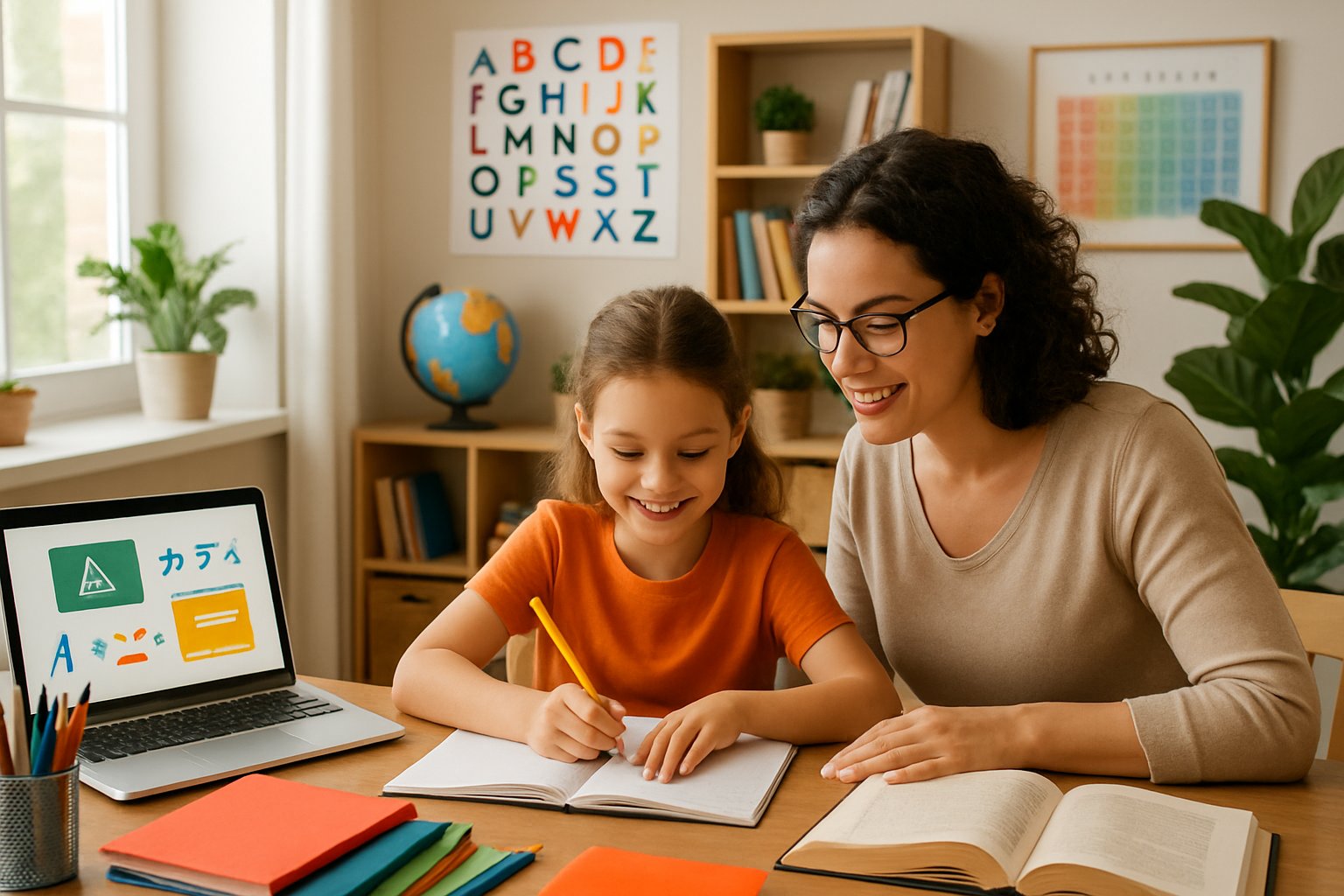
It explores the hidden sides of classroom life, from how teachers manage large groups to how school systems shape creativity and motivation. By understanding these behind-the-scenes truths, families can make more confident decisions about homeschooling and their child’s education journey.
1) Teachers often tailor lesson plans to meet standardized testing, which may limit creative learning.

Many teachers design their lessons around what will appear on standardized tests. This helps students perform better on required exams but can narrow what gets taught. Subjects like art, music, and hands-on projects may receive less attention when test preparation takes priority.
According to The Influence of Standardized Testing on Curriculum Development, schools often align their lessons with tested subjects such as math and reading. This alignment ensures consistency but can reduce time for broader learning goals. Students may miss opportunities to explore different interests or practice creative thinking.
Some educators argue that this focus on testing limits flexibility in the classroom. They feel pressure to “teach to the test” instead of adapting lessons for different learning styles. As A Critical Look at Standardized Testing explains, this approach can make learning less engaging and discourage curiosity.
Homeschooling families often notice this difference. Without the same testing requirements, they can spend more time on creative projects, field trips, or in-depth discussions. This freedom can help children learn in ways that feel more natural and enjoyable.
2) Many teachers wish parents understood the challenge of balancing individual attention with large class sizes.
Teachers often want to give each student personal attention, but large class sizes make that hard. With many students in one room, time and energy spread thin. Even the most caring teacher can struggle to meet every child’s needs.
Large classes can limit one-on-one help and slow learning progress. Studies show that smaller classes support better focus and stronger relationships between students and teachers. In contrast, larger class sizes present unique challenges that make it difficult to notice when a student is falling behind.
Many educators try creative solutions like intentional grouping. Group work helps students learn from one another while allowing teachers to rotate their attention more fairly. Still, it’s not the same as individual instruction.
Parents can support teachers by understanding these limits. Some advocate for smaller classes or volunteer to assist during lessons. As one article explains, when parents and teachers work together, students benefit from more focused guidance and care.
3) Teachers sometimes avoid discussing the full extent of curriculum limitations with parents.
Teachers often follow a set curriculum chosen by their school or district. They may notice that some lessons move too quickly or don’t fit every student’s needs, but they rarely share all those concerns with parents. Many feel pressure to stay aligned with district expectations.
Some teachers believe the curriculum is too challenging for certain students. A RAND Corporation survey found that about three in ten teachers think their school’s curriculum is more difficult than it should be. Still, they often focus on what they can adjust in class rather than discussing those limits openly.
Parents may assume the curriculum perfectly supports every learner. In reality, teachers often make small modifications to help students succeed without formally changing the program. Research on inclusive curriculum modifications shows that both teachers and parents face challenges in adapting lessons to meet diverse needs.
By understanding these quiet adjustments, parents can better support their children’s learning and communicate more effectively with teachers about what works best.
4) Educators notice that parental involvement strongly influences student motivation and success.
Teachers often see that when parents take an active role in learning, students stay more motivated. Simple actions like checking homework, asking about school, or reading together can make a big difference. Research shows that family engagement is a big factor in student success.
Studies also find that the quality of the student-teacher relationship can improve when parents stay involved. When children feel supported both at home and at school, they tend to perform better academically and behave more positively in class.
Parents who encourage independence and curiosity often raise children who enjoy learning. According to research on parental involvement and children’s academics, supportive parenting helps students build confidence and reduce school-related stress.
Educators notice that this teamwork between home and school builds trust. It helps children see that learning matters everywhere, not just in the classroom.
5) Some teachers admit they pick favorites, which can affect classroom dynamics.
Some teachers quietly admit that they feel closer to certain students. They may not mean to show favoritism, but it can still happen. This behavior can change how the whole class feels and interacts.
Research shows that teacher favoritism is often hidden behind justifications that make it hard for teachers to notice their own bias. Students, however, usually see it right away.
When a teacher gives more attention or praise to a few students, others may feel ignored or less valued. Experts note that this can lead to tension or lower motivation among classmates.
Favoritism can also shape learning opportunities. A teacher might call on certain students more often or offer them extra help. Studies suggest this can happen when a teacher relates to a student’s background or personality, as seen in classroom observations.
Teachers who reflect on their actions and emotions can reduce bias. Many education experts encourage self-awareness and fair treatment to create a more balanced and supportive classroom.
Understanding Homeschooling Myths
Many families hesitate to homeschool because of outdated ideas about what it involves. Real experiences and studies show that homeschooling can be flexible, effective, and supportive of both academic and personal growth.
Common Misconceptions About Homeschooling
One common myth is that homeschooled children lack social skills. In reality, many families join co-ops, sports, and community programs where children build strong friendships and teamwork skills. Articles like 30 Common Misconceptions About Homeschoolers and Homeschooling explain that homeschooled students often interact with people of all ages, not just peers.
Another myth claims parents need teaching degrees to homeschool effectively. Yet, as noted in Simply Homeschool’s guide to common myths, success depends more on commitment and curiosity than credentials. Parents can use online resources, local classes, and support groups to teach confidently.
Some also believe homeschooling limits college or career opportunities. However, research shows that homeschool graduates often perform well academically and transition smoothly to higher education. Many universities actively recruit homeschoolers because of their independence and self-motivation.
Key takeaway: Most myths about homeschooling come from misunderstanding or outdated assumptions rather than real evidence.
How Homeschooling Differs From Traditional Schooling
Homeschooling allows families to tailor lessons to each child’s learning pace and interests. Unlike traditional classrooms, schedules can adjust to fit family life, travel, or specialized subjects. This flexibility helps students explore topics in depth and develop self-discipline.
In traditional schools, teachers manage large classes and fixed curricula. Homeschooling, by contrast, offers one-on-one instruction that can quickly address learning gaps. Parents can use textbooks, online tools, or project-based learning depending on what works best for their child.
A comparison from Understanding Homeschooling: Debunking Myths with Evidence highlights that homeschooling often leads to stronger academic outcomes because of personalized attention and adaptable teaching methods.
| Feature | Homeschooling | Traditional Schooling |
|---|---|---|
| Class Size | Usually 1–5 students | 20–30 students |
| Schedule | Flexible | Fixed |
| Curriculum | Customizable | Standardized |
| Learning Pace | Individualized | Group-based |
Homeschooling’s structure gives families freedom while still meeting educational standards, helping students learn in ways that fit them best.
Empowering Parents in Education
Parents play a central role in shaping how their children learn at home. With the right mindset and tools, they can create a flexible and supportive environment that helps kids grow both academically and emotionally.
Building Confidence as a Homeschool Teacher
Many parents feel nervous about teaching, especially if they lack formal training. Yet, they don’t need to be certified educators to guide their children effectively. According to Twinkl, passion and dedication often matter more than teaching credentials.
Confidence grows through preparation and small successes. Parents can start by setting clear goals, keeping lessons short, and celebrating progress. Over time, these habits build trust in their abilities.
Support networks also help. Online groups and local co-ops let families share ideas, trade materials, and find reassurance that others face the same challenges.
A few confidence-building actions include:
- Creating a daily routine that fits the family’s schedule.
- Tracking achievements to see steady improvement.
- Learning alongside the child to model curiosity and growth.
Accessing Educational Resources at Home
Homeschooling families have access to a wide range of materials that make learning easier and more engaging. Digital libraries, online courses, and printable worksheets allow parents to tailor lessons to each child’s pace and interests.
Websites like Time2Homeschool highlight how parents can use technology to support academic, social, and emotional development.
A simple resource plan can include:
| Type | Example | Purpose |
|---|---|---|
| Online tools | Virtual labs, educational videos | Hands-on learning |
| Printable materials | Worksheets, planners | Practice and organization |
| Community programs | Local libraries, museums | Real-world experiences |
By combining these options, families create a balanced and adaptable learning environment that supports long-term success.
Leave a Reply