Why Homeschool Morning Routines Matter
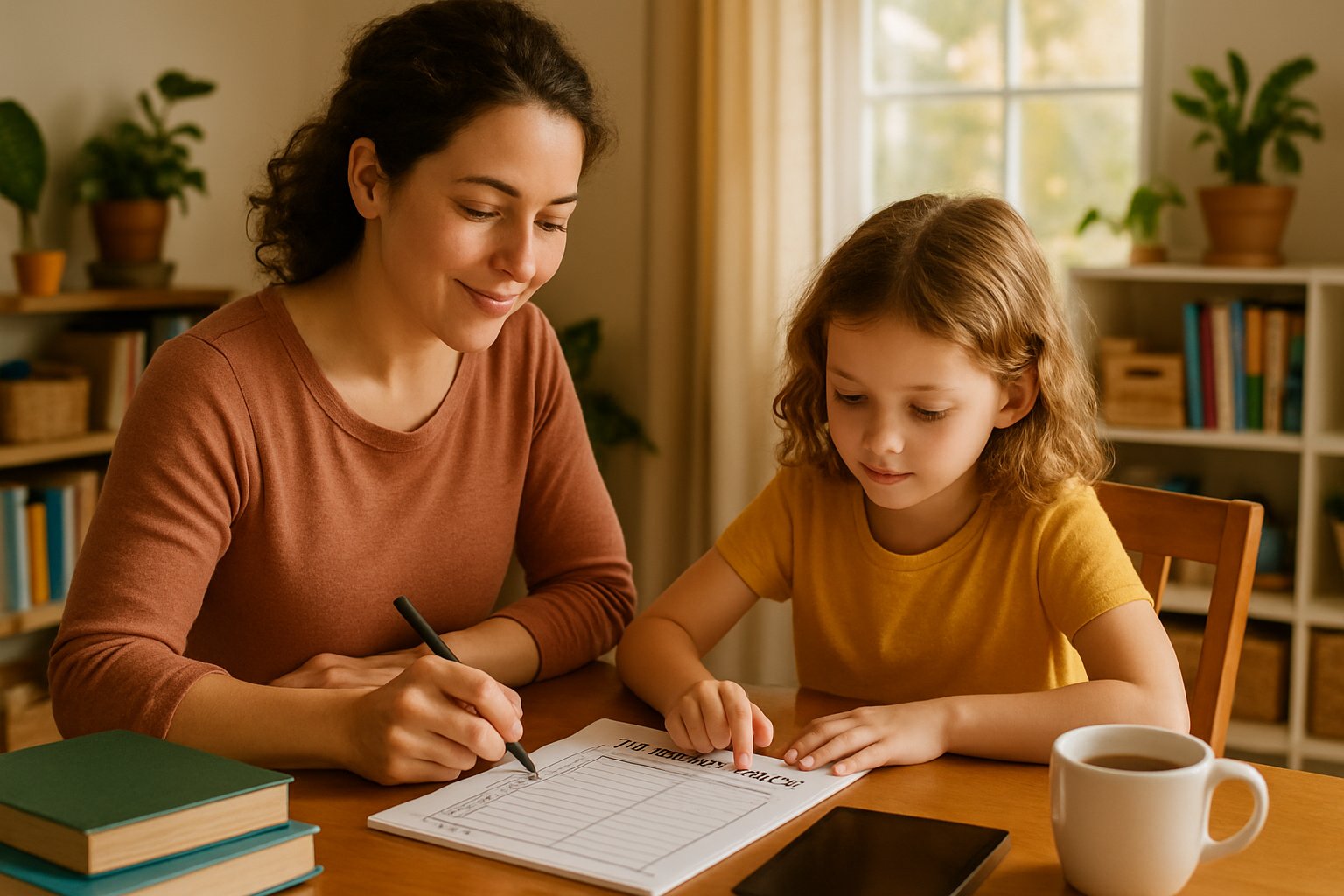
A steady morning routine helps children ease into learning, reduces stress for parents, and creates a predictable flow that supports focus. Families who establish clear habits often notice smoother transitions, better attention, and a calmer start to the school day.
Impact on the School Day
The way a homeschool day begins often shapes how the rest of it unfolds. When children start with a consistent routine, they know what to expect and can move into lessons with less resistance.
Simple steps like brushing teeth, eating breakfast, and gathering materials help set a rhythm. A structured start also prevents wasted time searching for books or supplies.
Some families use a shared activity, such as Morning Time, to bring everyone together before diving into individual subjects. This practice builds connection and signals the official start of the school day.
By starting with order and predictability, students often stay more focused and finish their work more efficiently.
Benefits for Homeschooling Families
A morning routine does more than start the school day smoothly. It also supports the whole family’s well-being. Parents who plan ahead often feel less rushed and more prepared to guide lessons.
Children benefit from the sense of security that comes with daily habits. They know what comes next, which lowers stress and improves cooperation.
Families can also include enjoyable parts in their routine, such as read-alouds, music, or short walks. These shared moments add joy and strengthen family bonds.
According to Simple Homeschool, routines that mix structure with flexibility help families stay consistent while still leaving room for personal needs. This balance makes homeschooling more sustainable over time.
Common Challenges and Solutions
Even with the best plans, mornings can become chaotic. Kids may resist getting started, or parents may feel pulled in many directions.
One common challenge is late starts. A solution is preparing the night before by setting out clothes, materials, and breakfast items. This reduces stress in the morning.
Another issue is distractions. Limiting screen time before lessons and setting clear expectations can help children focus.
Families who struggle with consistency may find success by starting small. For example, adding one new habit at a time makes the routine easier to maintain.
Resources like Pam Barnhill’s step-by-step guide show how to build a peaceful routine that grows with the family’s needs.
Key Elements of an Effective Homeschool Morning Routine
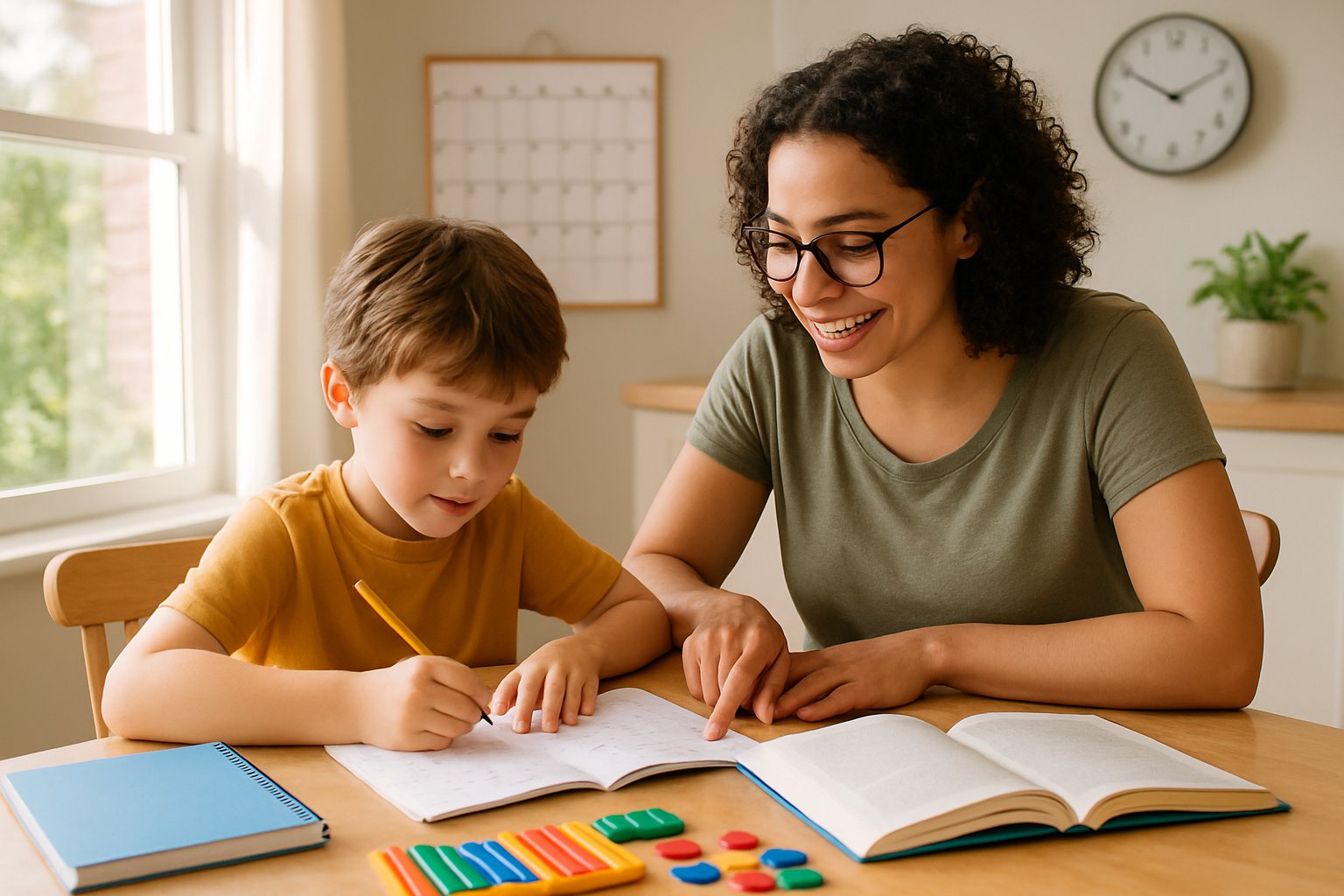
A strong homeschool morning routine depends on simple habits that reduce stress and set a steady pace for the school day. Families often find the most success when they prepare in advance, start the day calmly, and keep learning spaces organized and ready.
Preparing the Night Before
Getting ready the evening before makes mornings smoother. Parents can set out lesson plans, gather supplies, and place books or worksheets in a visible spot. This step prevents wasted time searching for materials once the school day begins.
Some parents use a checklist system for each child. This might include:
- Math practice sheets
- Reading assignments
- Chores or personal tasks
Packing clipboards or folders helps children know exactly what to do when the day starts. Setting an evening alarm also reminds parents to finish tasks before bed, which many families find helpful according to Pam Barnhill’s routine guide.
When the next morning arrives, everyone can begin on time without confusion. The night-before effort pays off by creating a sense of order and predictability.
Calm Wake-Up Strategies
A peaceful start makes the rest of the morning easier. Children often respond better when the household avoids rushing. Some families choose to wake earlier than the kids to enjoy quiet time with coffee, reading, or prayer. Others use gentle alarms or soft music to ease into the day.
Consistent sleep schedules matter too. Setting regular bedtimes helps children and parents wake rested and ready. Families who struggle with late nights often notice that mornings feel chaotic, so a steady sleep routine supports the homeschool rhythm.
It can also help to let kids take part in their own wake-up routine. Simple steps like brushing teeth, getting dressed, or choosing breakfast give them independence and reduce resistance later. A calm start lowers stress and creates a positive tone for learning.
Organizing Materials and Spaces
A tidy space encourages focus during lessons. Keeping pencils, notebooks, and art supplies in labeled bins or drawers makes it easy for children to find what they need. A small basket or caddy on the table can hold daily essentials so no one has to leave the room mid-lesson.
Families who use a loop schedule often prepare the next subject’s materials in advance. For example, if today’s focus is science, the supplies are set out the night before. This method, suggested by Schooling with Grace, reduces interruptions and keeps the day moving.
Even small steps, like clearing the table after breakfast or designating a shelf for homeschool books, make a big difference. When the learning space stays organized, children can transition smoothly from one subject to the next without frustration.
Breakfast and Fuel for the Day
A steady morning routine includes food that gives lasting energy and helps children focus. Balanced meals with protein, whole grains, and fruit keep everyone ready for learning without mid-morning crashes.
Quick and Healthy Breakfast Ideas
Parents often look for meals that are both fast and nourishing. Options like overnight oats, topped with fruit and nuts, can be prepared the night before and eaten cold or warmed up. Smoothies with yogurt, spinach, and frozen berries are another quick choice that kids usually enjoy.
Egg-based dishes also work well. Scrambled eggs with whole grain toast or a simple veggie omelet provide protein and healthy fats. For variety, nut butter on whole wheat toast with banana slices makes a filling option in minutes.
A small table of ideas can help families rotate choices:
| Meal | Prep Time | Key Nutrients |
|---|---|---|
| Overnight oats | 5 min (night before) | Fiber, protein |
| Smoothie | 3-4 min | Vitamins, calcium |
| Scrambled eggs | 7 min | Protein, iron |
| Nut butter toast | 2 min | Healthy fats, carbs |
These simple meals keep mornings calm while ensuring kids start the day with fuel that lasts.
Time-Saving Meal Prep Tips
Families save time when they plan ahead. Prepping breakfast ingredients the night before reduces stress in the morning. For example, chopping fruit in advance makes it easy to toss into yogurt or cereal.
Batch cooking also helps. Parents can bake a tray of egg muffins on Sunday and store them in the fridge for quick reheating. Preparing a large jar of overnight oats with different toppings allows for variety during the week.
Keeping a small list of go-to meals on the fridge can cut decision-making. Some families also set out bowls, spoons, and cups before bed so kids can serve themselves. These small steps add up, making mornings smoother and more predictable.
For more ideas on creating a healthy start, families can explore effective homeschool morning routines that highlight the role of good food and structure.
Incorporating Morning Basket and Together Time
Families often find that beginning the day with shared learning helps everyone feel connected and focused. A morning basket can hold key subjects, quiet reading, and creative activities that work across ages, making homeschool mornings smoother and more consistent.
What to Include in a Morning Basket
A morning basket usually gathers subjects that children of different ages can enjoy together. Parents often add items that might get skipped later in the day, like poetry, art, or music.
Typical contents may include:
- Read-aloud books (fiction, history, or science)
- Memory work such as math facts, poems, or prayers
- Flashcards for vocabulary or geography
- Short devotionals or inspirational readings
Some families rotate subjects during the week instead of covering everything daily. For example, they may do art on Mondays, poetry on Tuesdays, and nature study midweek. This flexible approach keeps the basket fresh and avoids long sessions that overwhelm younger children.
Morning baskets are especially helpful because they bring everyone together, no matter the grade level. As Pam Barnhill explains, this shared time allows parents to teach once while reaching multiple children.
Family Read-Alouds and Devotionals
Reading aloud creates a calm start and builds listening skills. Many families choose novels, biographies, or historical fiction that spark discussion. Younger children benefit from hearing advanced vocabulary, while older ones enjoy the shared experience.
A short devotional or prayer can also set a positive tone. Some families begin with a Bible reading, while others use story-based devotionals that apply to everyday life. According to Homeschooling in Progress, even a few minutes of prayer or reflection can provide a sense of routine and peace.
Parents often keep a list of books or devotionals ready in their basket so they don’t lose time deciding what to read each morning. Ending this part with a read-aloud helps transition smoothly into the rest of the homeschool day.
Creative Activities to Start the Day
Adding hands-on or artistic work can make morning time more engaging. Short activities like drawing, nature journaling, or listening to a composer help children wake up their minds in a relaxed way.
Some families use art study cards or picture books to introduce famous artists. Others enjoy simple music appreciation, such as listening to one piece by a composer while sketching. Activities like these can be rotated weekly to avoid overload.
Practical tools include:
- Sketchbooks for quick drawing exercises
- Chalk pastels or watercolors for open-ended art
- Music playlists for composer study
- Science or nature prompts for journaling
These activities don’t need to be long or formal. Even 15 minutes of creative work can add variety and help children look forward to morning basket time, as suggested by Treehouse Schoolhouse.
Building a Positive Flow for the Rest of the Day
A smooth start helps children stay focused, but keeping momentum depends on structure, balance, and flexibility. Families that mix independent study, short breaks, and age-appropriate adjustments often find the school day runs with less stress and more engagement.
Independent Work and Focused Study Blocks
Children benefit from a clear plan that includes time for independent learning. Many families use checklists or clipboards to guide tasks, similar to how some parents prepare lessons the night before in a peaceful homeschool routine. This reduces confusion and helps kids know what to expect.
Focused study blocks work best in short stretches. For younger students, 15–20 minutes is usually enough, while older children can handle 30–45 minutes. Breaking lessons into chunks keeps attention sharp.
Parents should stay nearby but avoid hovering. A quick check-in at the end of each block allows children to ask questions while still building independence. This balance encourages responsibility and frees up time for the parent to manage other parts of the school day.
Tip: Use a timer or visual clock so kids can see how long they have left. This makes transitions smoother and reduces resistance.
Movement and Mindfulness Breaks
Sitting too long makes it hard for children to focus. Short breaks with movement refresh the mind and body. Simple options include stretching, a quick walk outside, or a short dance session.
Mindfulness activities also help reset energy. A few minutes of quiet breathing, listening to calm music, or drawing can give kids space to recharge. Even preschoolers can join by practicing simple breathing with hand motions.
Some families schedule these breaks after each subject block. Others add them mid-morning to prevent restlessness. Mixing physical activity with calm reflection ensures children return to their lessons ready to learn.
Ideas for quick breaks:
- 10 jumping jacks
- 2 minutes of deep breathing
- A short snack and water break
- Listening to an audiobook while stretching
Adapting Routines for Different Ages
Homeschooling often includes children at different stages, so routines need flexibility. Younger children thrive on short lessons, hands-on activities, and frequent breaks. Older students can manage longer independent study blocks and may benefit from digital planners or subject rotations.
Parents can stagger start times to give focused attention to one child at a time. For example, older kids might begin with reading while younger siblings do simple chores or play quietly. This avoids constant interruptions and helps each child feel supported.
A flexible routine works best because it allows adjustments without losing structure. Families should expect to revisit and tweak schedules as needs change during the school year.
Quick guide by age:
- Early elementary: 15–20 minute lessons, frequent breaks
- Upper elementary: 25–35 minute lessons, gradual independence
- Middle/high school: 40+ minute lessons, self-managed tasks with check-ins
Leave a Reply