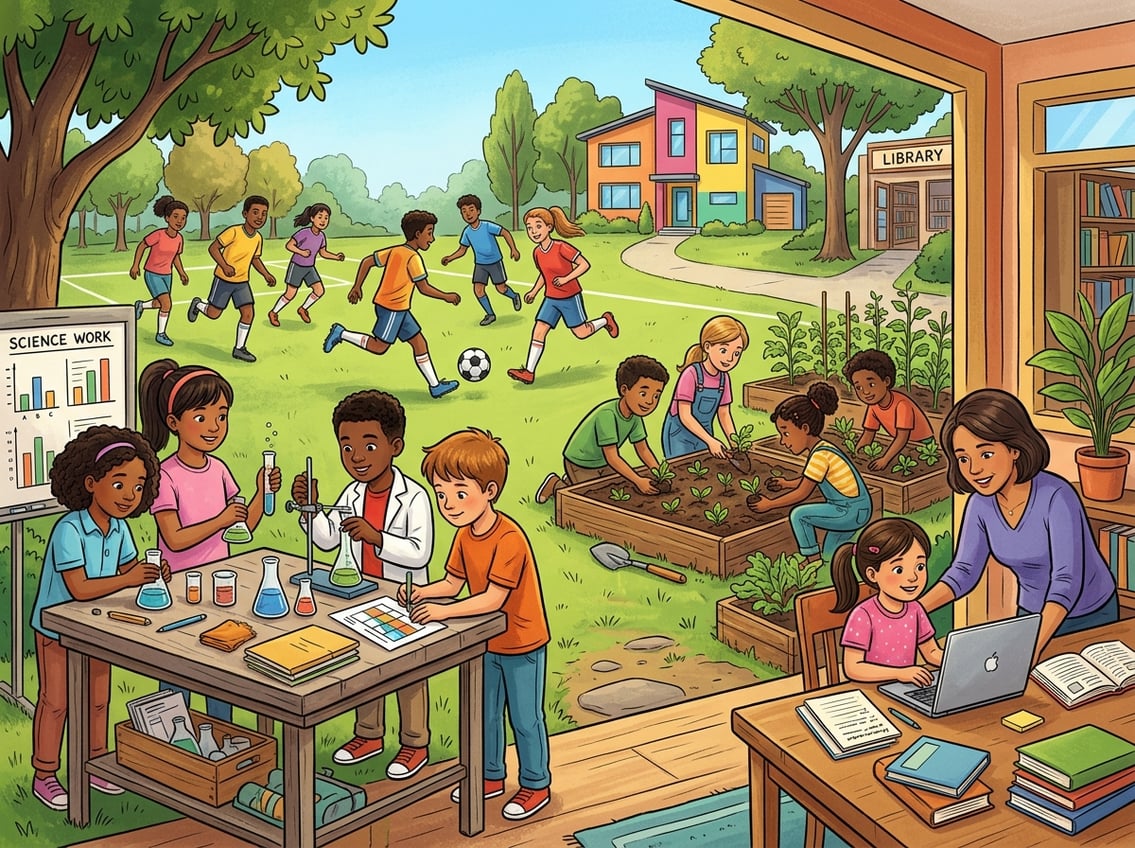
Socialization, Activities, And Real-World Readiness
Homeschooled children regularly build social skills through community involvement, extracurricular activities, and everyday interactions with people of all ages.
The idea that learning at home means learning alone simply does not hold up when you look at how homeschool families actually spend their time.
Why Homeschooled Children Are Not Automatically Isolated
The most persistent myth in the homeschooling conversation is that homeschooled students sit alone in a room all day with no contact with the outside world.
This stereotype assumes that socialization only happens inside a school building.
As noted in research on socialization myths and realities, homeschooled kids are far from socially deprived; they simply socialize differently.
Your child’s social life does not depend on a classroom.
Homeschoolers interact with neighbors, participate in community events, and spend time with people across a wide range of ages.
This kind of mixed-age interaction actually mirrors real-world social settings more closely than a room full of same-age peers.
Studies consistently show that homeschooled children perform just as well, and sometimes better, on measures of social development compared to their traditionally schooled peers.
The truth about homeschooling and socialization shows that home-educated students generally adjust well to both social and real-world scenarios.
How Homeschoolers Build Social Skills Through Daily Life
You do not need a school bell schedule to learn how to communicate, cooperate, and resolve conflict.
Homeschooled children develop social skills through everyday life, including family discussions, errands, volunteer work, and conversations with adults in their community.
Because homeschooling offers flexibility, your child has more time for meaningful interactions.
Instead of a rushed 15-minute recess, they can spend an afternoon working alongside a mentor, helping at a local food bank, or simply playing with friends at the park.
These experiences teach adaptability and real communication skills.
Homeschool families also tend to involve children in household decisions and responsibilities earlier.
Cooking, budgeting, and planning family projects together all build the kind of interpersonal skills that matter in adulthood.
Where Extracurricular Activities, Co-Ops, And Field Trips Fit In
If you worry about your child missing out on group experiences, consider how many options exist outside of traditional school walls.
Homeschooling families regularly participate in:
- Sports leagues and recreational teams
- Music, art, and drama programs
- Homeschool co-ops that meet weekly for group classes and projects
- Science clubs, debate teams, and book groups
- Field trips to museums, nature centers, and local businesses
Co-ops deserve special attention.
These are communities where homeschool families come together to share resources, plan group activities, and hold classes.
Your child gets the benefit of group learning and teamwork without giving up the flexibility of home education.
Field trips are another major advantage.
Rather than waiting for a single annual school trip, homeschooling families can take frequent, hands-on learning outings.
A Tuesday morning at a botanical garden or a Wednesday afternoon at a fire station becomes part of the regular routine.
These experiences build both knowledge and social confidence in real-world settings.
Learning Quality, Structure, And Academic Progress
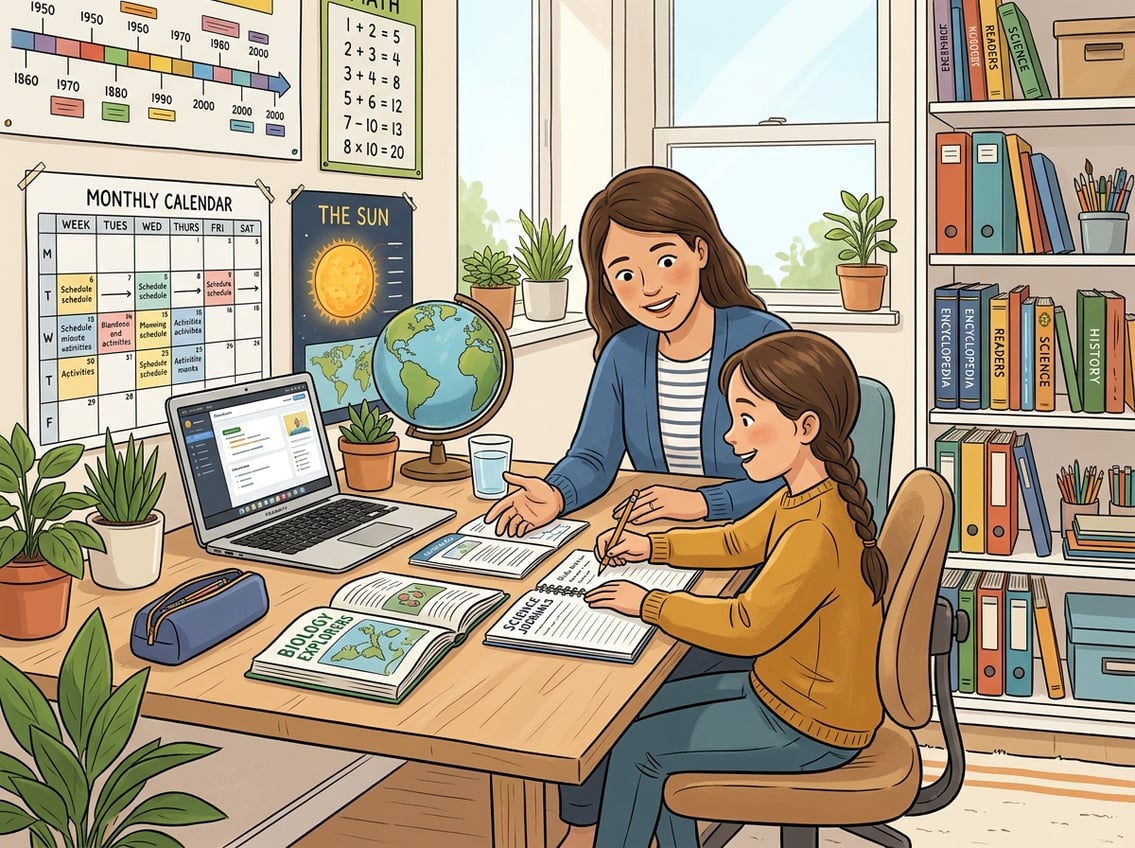
Personalized learning, consistent routines, and measurable academic progress are hallmarks of effective home-based education.
Homeschooling curricula give you the tools to tailor instruction to your child’s pace, while standardized tests and evaluations provide clear benchmarks along the way.
Why Personalized Learning Is A Core Strength Of Home Education
One of the biggest advantages of homeschooling is that you can match the curriculum to your child’s learning style, interests, and speed.
In a traditional classroom, a teacher manages 20 to 30 students at once.
At home, you focus entirely on one learner at a time.
Personalized education means your child can spend more time on difficult subjects and move quickly through material they already grasp.
This approach reduces frustration and keeps motivation high.
Home education also lets you choose from a wide range of teaching methods.
Some families follow classical models that emphasize reading and vocabulary.
Others use project-based learning or hands-on experiments.
With mastery-based learning and structured curricula, homeschool students build strong academic foundations at their own pace.
Personalized learning does not mean lower standards.
It means smarter, more efficient instruction shaped around your child’s actual needs.
The Truth About Self-Discipline, Routine, And Time Management
A common concern is that homeschooled children lack structure.
The reality is that most homeschooling families follow clear daily routines that teach self-discipline and time management from an early age.
Your schedule might not look like a school day, and that is the point.
Many families start academics in the morning, break for lunch and physical activity, then return for reading or creative projects.
Others shift schedules to fit family needs.
The key is consistency, not rigid bell times.
Because homeschool students often manage their own assignments and deadlines, they develop time management skills earlier than many of their peers.
By high school, many homeschoolers already know how to plan a week of work, prioritize tasks, and study independently.
These habits carry directly into college and career settings.
How Homeschooling Curricula And Standardized Tests Measure Progress
You might wonder how to know if your child is keeping up academically.
Homeschooling curricula come with built-in assessments, quizzes, and grade-level benchmarks that help you track progress throughout the year.
Many states also require or offer standardized tests for homeschool students.
These tests provide an objective snapshot of where your child stands in subjects like math, reading, and science.
According to data highlighted in common homeschooling myths research, many families invest in regular evaluations to actively monitor academic progress.
The results are encouraging.
Homeschooled students consistently perform at or above national averages on standardized tests.
A review of academic outcomes confirms that personalized, student-centered learning does not sacrifice rigor.
Instead, it often produces stronger results because instruction is focused and efficient.
Keeping a portfolio of your child’s work, test scores, and completed projects also creates a clear record for college applications and future opportunities.
Who Homeschooling Works For And Why Misconceptions Persist
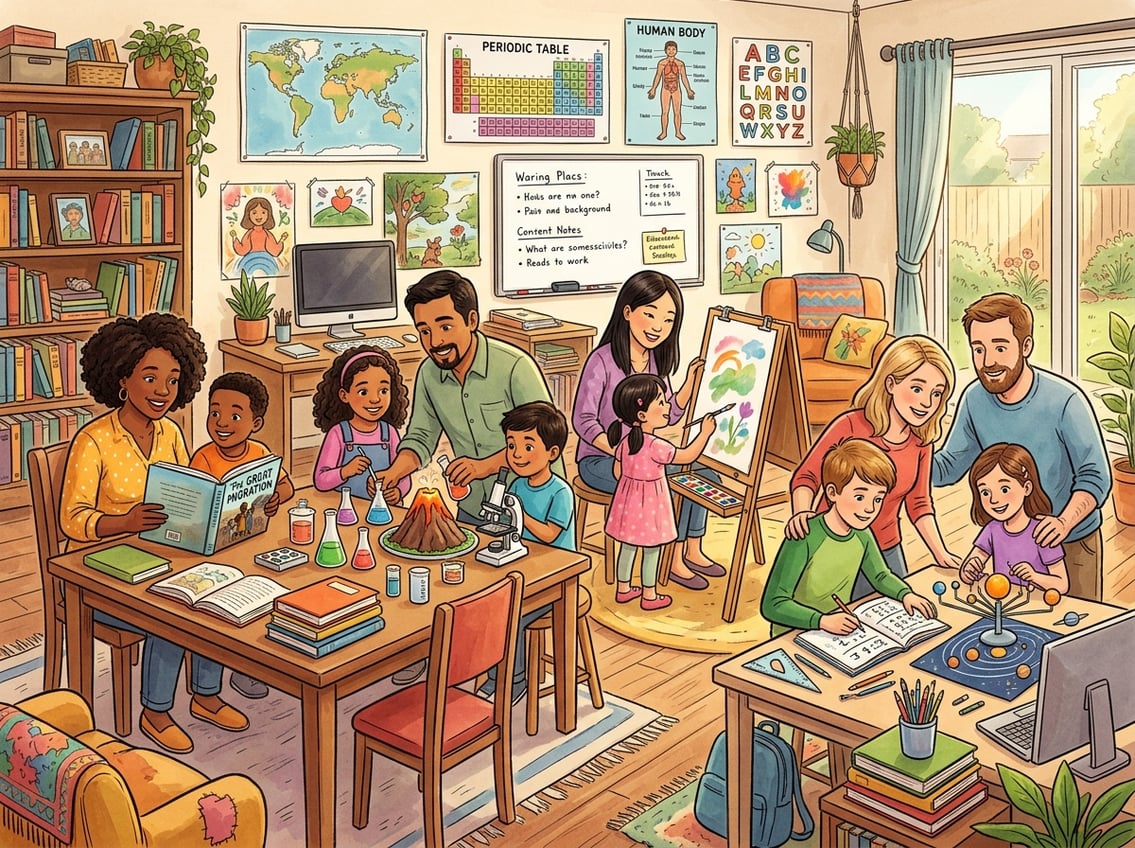
Homeschooling parents come from every background, education level, and motivation.
The myths about homeschooling that still circulate tend to reflect outdated stereotypes rather than the diverse reality of modern home education.
Why Homeschooling Parents Do Not Need To Be Certified Teachers
One of the most stubborn homeschooling myths is that you need a teaching degree to educate your child at home.
In most U.S. states, there is no requirement for homeschooling parents to hold a teaching certificate.
What you need is dedication, a solid curriculum, and a willingness to learn alongside your child.
As noted by The Homeschooling Company’s myth breakdown, the idea that parents are not qualified is one of the biggest misconceptions holding families back.
In reality, a parent who knows their child’s strengths, weaknesses, and learning style is often better equipped to guide that child than a teacher managing a large classroom.
Plenty of resources exist to support you.
Packaged curricula, online courses, tutoring services, and co-op classes all fill gaps in subjects where you feel less confident.
How Different Homeschooling Families Make It Work
Homeschooling is not limited to one type of family.
Single parents, dual-income households, military families, and families with special-needs children all homeschool successfully.
Some are motivated by religious values, while others choose home education for academic flexibility or safety reasons.
According to Great Homeschool Conventions, the homeschool population includes secular families, families from various faith traditions, and those driven by academic, social, or lifestyle factors.
The stereotype that homeschooling is only for religious or politically motivated families misses this broader picture entirely.
What unites homeschooling families is a shared commitment to their children’s education, not a single demographic profile.
Why Myths About Homeschooling Keep Spreading
Misconceptions persist for a few simple reasons.
Most people went through traditional schools and have no firsthand experience with homeschooling.
Media portrayals often lean on stereotypes.
And well-meaning friends or relatives may repeat concerns they have heard without checking the facts.
As one education analysis points out, many education misconceptions come from people who have never watched parent-led learning in action.
When your only reference point is a traditional classroom, anything different can seem risky.
The best way to combat these myths is with real information.
Homeschoolers consistently demonstrate strong academics, healthy social lives, and readiness for college and careers.
The more families share their experiences openly, the harder it becomes for outdated stereotypes to survive.
Frequently Asked Questions
Will my child miss out on socialization if we homeschool?
No.
Homeschooled children socialize through co-ops, sports teams, community groups, field trips, and everyday interactions with people of all ages.
Research shows that homeschoolers develop social skills that match or exceed those of traditionally schooled children because their social experiences tend to be more diverse and intentional.
Is homeschooling only for families with a parent who has a teaching degree?
Not at all.
Most U.S. states do not require parents to hold any teaching certification to homeschool.
You can use structured curricula, online programs, and co-op classes to teach subjects where you need extra support.
Knowing your child and being committed to their education matters far more than a formal degree.
Do homeschooled students perform as well academically as public school students?
Yes.
Homeschool students consistently score at or above national averages on standardized tests.
According to a review of common myths about homeschooling, personalized instruction allows students to master subjects thoroughly before moving on, which often leads to strong academic outcomes.
Can homeschooled students still participate in sports, clubs, and extracurricular activities?
Absolutely.
Many communities offer sports leagues, music programs, drama clubs, and other activities open to homeschoolers.
Some states even allow homeschool students to participate in public school extracurricular programs.
Co-ops and local organizations also provide group activities specifically designed for homeschooling families.
Is homeschooling only for highly religious or politically motivated families?
No. While some families homeschool for religious reasons, the homeschool population is diverse and includes secular families and families of various faiths.
Many families are also motivated by academic goals, travel lifestyles, or special learning needs. There is no single profile of a homeschooling family.
What did Charlie Kirk say about homeschooling, and is it accurate?

Charlie Kirk has publicly encouraged families to consider homeschooling as an alternative to public education.
He often cites concerns about curriculum content and political influence in schools.
While his support for parental choice in education aligns with the legal right to homeschool, some of his broader claims about public schools reflect personal political views rather than universal facts.
Leave a Reply