Recognizing the Need for a Curriculum Transition
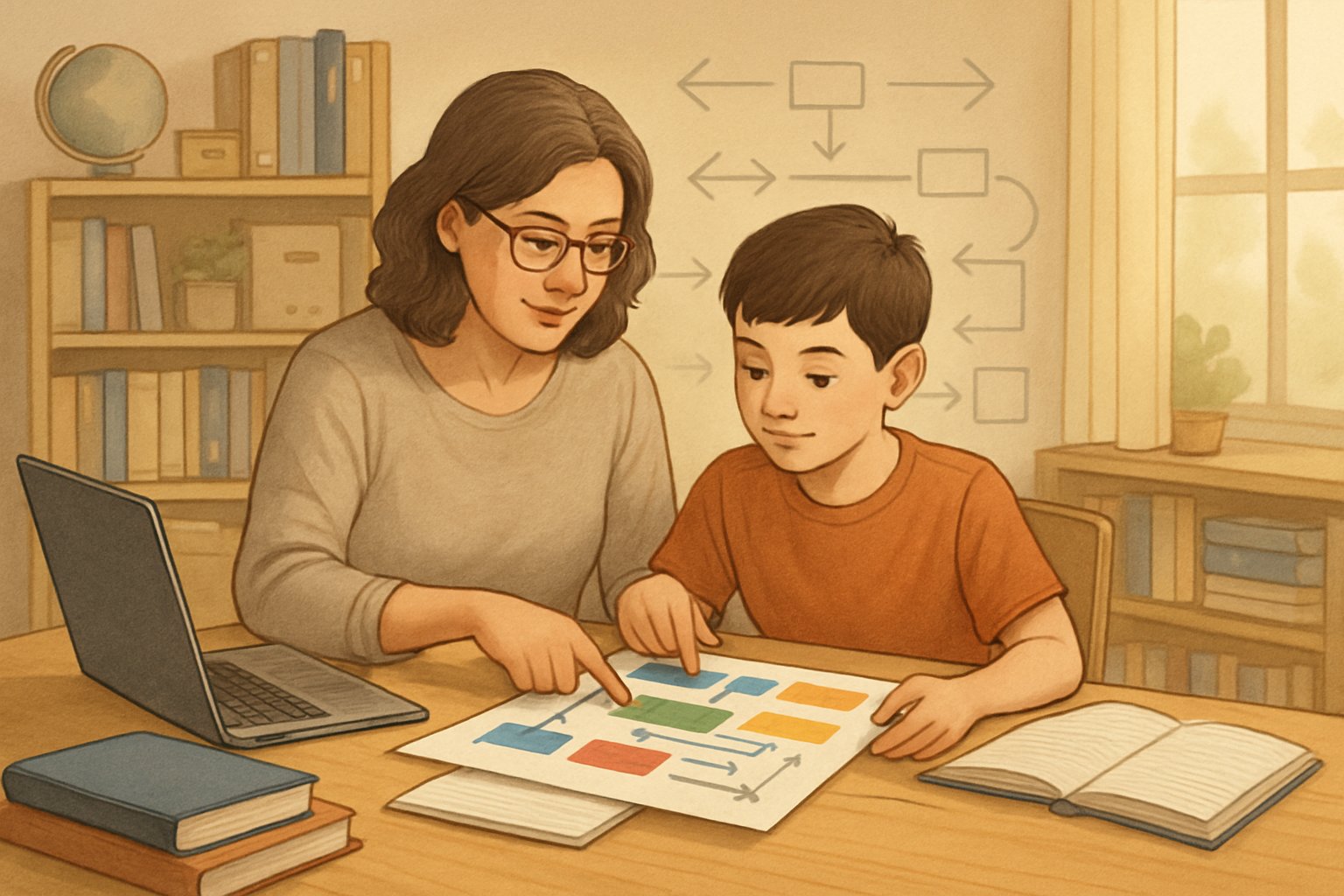
Children’s academic and emotional needs change as they grow. The methods that help them learn best may need to change as well.
When learning slows, frustration rises, or family life shifts, it may signal that their current homeschool approach needs adjustment.
Identifying Gaps in Learning or Progress
A common sign that it’s time for a curriculum change is when a child struggles to keep up or loses interest in a subject. Frequent confusion about basic concepts or repeated mistakes might reveal that lessons are moving too fast or assuming prior knowledge the child doesn’t have.
Parents can review completed work or use short assessments to check for missing skills. Tracking progress over several weeks makes patterns clearer and prevents knee-jerk changes.
As explained in Switching Curriculum | DKM Homeschool Resource, evaluating both strengths and weak areas helps families choose a program that better fits current learning needs.
It’s also helpful to observe behavior during lessons. When a child avoids certain topics, complains often, or becomes discouraged, an academic gap is likely behind it.
Using feedback from the child allows the parent to fine-tune materials before those issues grow larger.
Understanding Learning Styles and Preferences
Each child learns differently. Some grasp new ideas through reading, while others benefit more from hands-on work or discussion.
If a child thrives during experiments but struggles with worksheets, the curriculum may not match their learning style. Families practicing home education can use short trials of different approaches to compare results.
Visual learners often do well with illustrated guides and recorded lessons. Kinesthetic learners succeed with practical activities or projects.
An article on transitioning from homeschool to traditional school highlights that classroom success depends heavily on adapting to structure and expectations—this applies equally to homeschool transitions within the home environment.
Parents who understand their child’s preferences can choose a teaching method that increases focus and satisfaction. This could mean unschooling flexibility or a structured daily plan.
Factors Driving the Change: Family, Philosophy, or Logistics
Curriculum shifts often happen for reasons beyond academics. Family schedules, new jobs, relocations, or changing financial needs can affect how much time parents can dedicate to teaching.
Homeschooling families may also evolve in their educational philosophy. Some move from structured textbook learning to more interest-driven or unschooling methods when they see how their child responds to self-directed exploration.
According to The Homeschool Report’s guide to transitioning from traditional school to homeschooling, setting an adaptable structure supports smoother changes during these adjustments.
Logistics also matter. Access to resources, co-ops, and online courses can determine which curriculum works best.
Recognizing these practical and philosophical shifts early helps families make confident choices that align with their current reality and long-term goals.
Planning and Managing the Transition Process
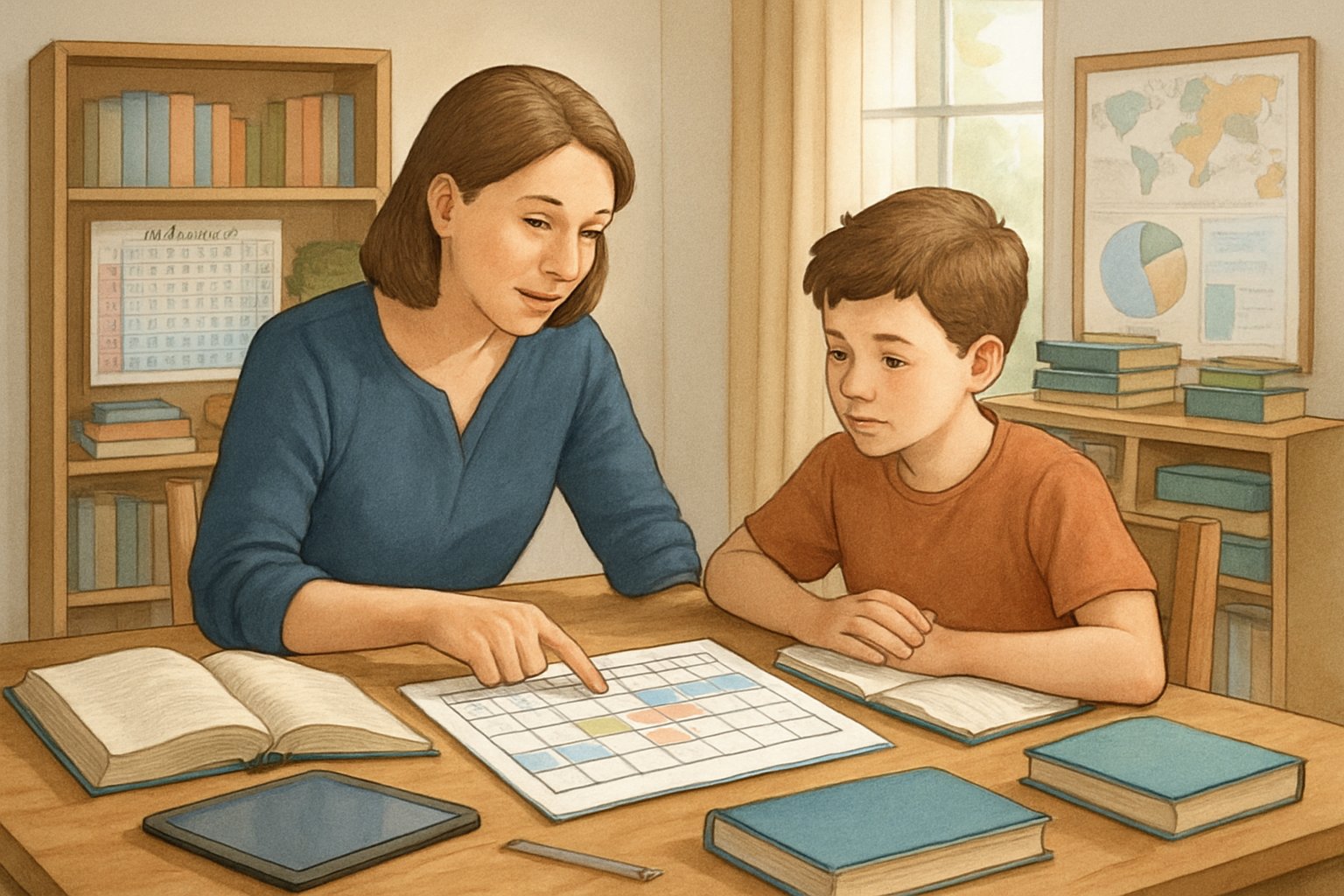
Families who switch homeschool curriculums benefit from steady planning, organized record-keeping, and awareness of timing. Handling each step with care keeps students confident and helps parents stay compliant with homeschool laws.
Evaluating the Current Curriculum Components
Before changing materials, parents should identify what is or isn’t working in the current program. This includes checking progress in core subjects such as math, language arts, and science.
Creating a simple checklist can help determine gaps or strengths:
| Strengths | Weaknesses | Next Steps |
|---|---|---|
| Child enjoys reading assignments | Math lessons take too long | Try new pacing or materials |
| Good online resources | Few hands-on activities | Add project-based lessons |
They should also compare available options using resources like The Homeschool Report’s guide. By reviewing teaching style, workload, and assessment methods, families can select a curriculum that aligns with their child’s learning style.
Joining local homeschool groups often provides honest feedback about specific programs and materials.
Timing the Switch for Minimal Disruption
Timing affects how smoothly children adapt to a new routine. Many families plan the switch during summer or winter breaks, giving students time to adjust before starting full lessons.
Others begin with one subject before mixing in the rest to ease the change. Parents can reference tips from Mama Teaches about pacing transitions gradually rather than shifting overnight.
A written schedule with clear daily goals helps maintain structure. If the family follows state homeschool laws, they must also notify the local district when switching programs, especially if moving from an accredited course to an independent one.
Careful scheduling minimizes missed instruction time and reduces frustration for both parents and students.
Documenting Progress and Record-Keeping
Accurate documentation supports accountability and smooths future transitions. Families should keep portfolios that include attendance logs, graded work, and project samples.
Some states require annual assessments or proof of progress, so detailed records help demonstrate compliance. Digital record-keeping tools make tracking assignments and grades easier.
A spreadsheet or planning app keeps information organized by subject and date. Participating in homeschool groups or online communities helps parents exchange templates and advice on tracking academic progress.
For students approaching college, maintaining transcripts and course descriptions from each curriculum ensures that all credits transfer correctly.
Building a Supportive Homeschool Environment

A stable homeschool environment helps children adjust to changes in curriculum. It also strengthens family relationships and promotes steady academic progress.
Communicating With Your Child About the Transition
Open and calm communication helps children feel secure when new materials or teaching methods replace the old. Parents can set aside short daily check-ins to discuss how lessons feel and what is or isn’t working.
Listening without interrupting builds trust and shows respect for the child’s opinion. Younger students might respond well to visual tools like a feelings chart or a written learning plan.
Older students may prefer private journals or voice recordings to express thoughts. Families can also create a shared idea board for discussing favorite subjects or topics they want to explore next.
Encouragement works best when it is specific. Instead of saying “good job,” parents can say, “You stayed focused on reading today even when it was hard.”
Over time, this clear and kind style of feedback helps students develop confidence and independent learning habits.
Joining Homeschool Co-ops and Support Networks
Community plays a major role in helping homeschooling families thrive. Regular involvement in homeschool co-ops or groups connects parents with others who share similar experiences.
These settings create opportunities for peer learning, social activities, and shared resources. Families often find that joining homeschool co-ops and support networks adds structure and variety without the limits of a traditional school.
New homeschoolers can start small—attending one event or virtual meeting before adding more commitments. Many co-ops offer group science labs, art projects, or physical education sessions.
Parents benefit too by swapping curriculum ideas, tutoring tips, and coping strategies during tough weeks. Some groups maintain online message boards or local meet-ups where activities are posted on a calendar.
A simple table can help families track involvement:
| Activity Type | Frequency | Who Participates |
|---|---|---|
| Art & Science Labs | Weekly | Students |
| Parent Resource Nights | Monthly | Parents |
| Field Trips | Seasonal | Whole Family |
These small but steady interactions build motivation and a sense of belonging.
Adjusting Routines and Expectations
Transitioning between curricula often requires reworking daily schedules and learning rhythms. Families moving from traditional school to homeschooling may need time to discover what fits their household best.
Shorter academic blocks, longer breaks, or flexible start times often reduce tension and improve focus. Listing priorities helps manage expectations.
A sample outline might look like this:
- Core subjects in the morning (reading, math).
- Creative or physical learning after lunch.
- Review or reflection time before dinner.
Parents should expect a period of trial and adjustment. Some lessons will move faster than planned while others may take extra time.
When schedules become stressful, simple resets—such as outdoor learning or a relaxed reading afternoon—can help everyone find balance.
Leave a Reply