Overview of Seasonal Blend Ladder Activities
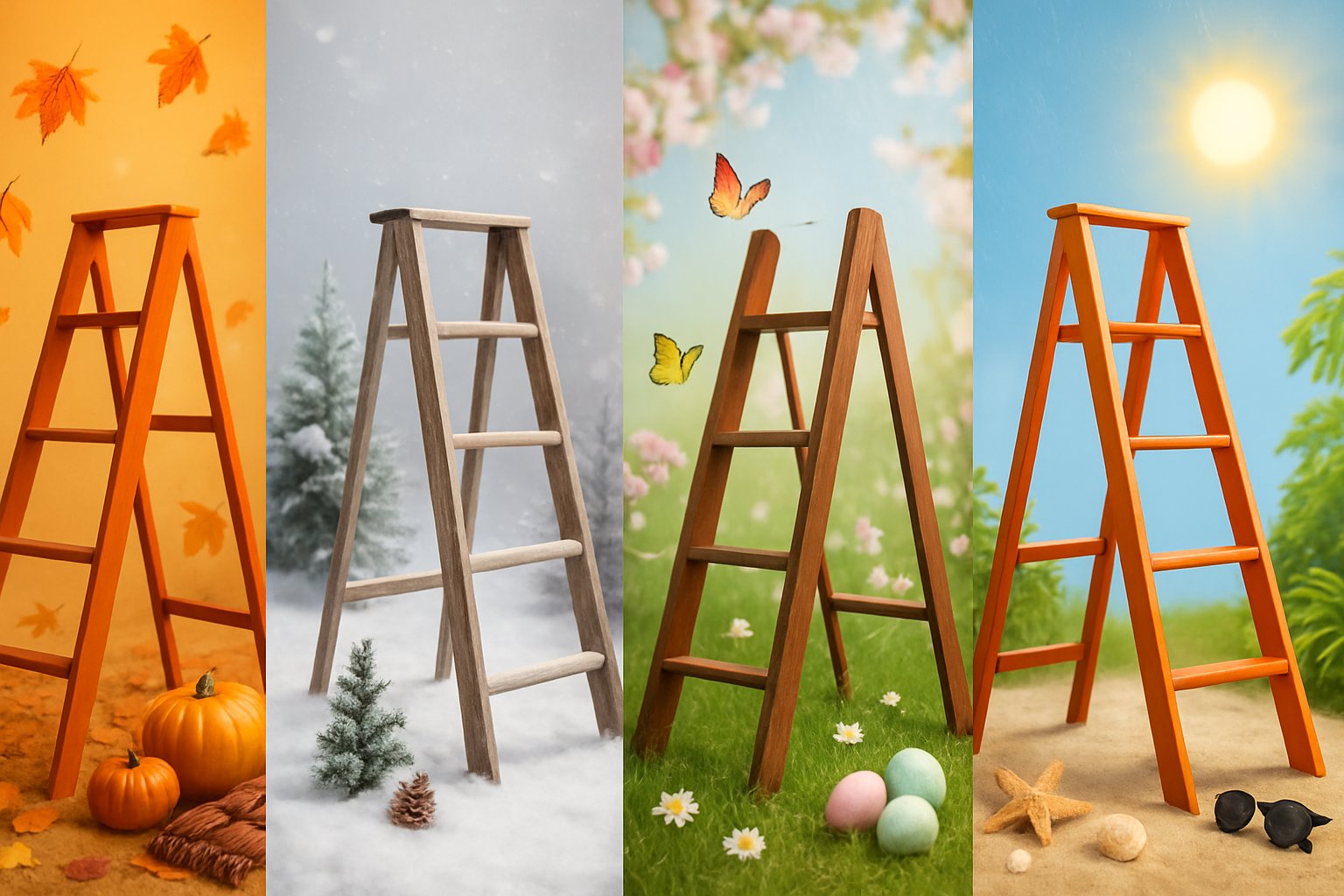
Blend ladder activities combine phonics instruction with themed content that matches the four seasons. These structured exercises help children practice consonant blends while connecting learning to familiar seasonal experiences and vocabulary.
What Are Blend Ladder Activities?
Blend ladder activities are phonics exercises that help children practice consonant blends through step-by-step word building. Students start with simple sounds and gradually add letters to create more complex words.
The ladder format shows words in a vertical list. Each word shares some letters with the word above or below it. This helps children see patterns in spelling and sounds.
For example, a basic ladder might start with “at” then move to “bat,” “beat,” and “blend.” Children practice reading each word while noticing how the sounds change.
Teachers can use blending ladders to strengthen letter-sound relationships with varying levels of difficulty. The activities work well for individual practice or small group instruction.
Benefits of Integrating Seasons Into Phonics Practice
Seasonal themes make phonics practice more engaging for young learners. Children connect new words to familiar experiences like snow in winter or flowers in spring.
The themed approach helps with memory and retention. When children learn the word “frost” during winter activities, they remember it better than isolated word practice.
Seasonal activities provide valuable opportunities for children to learn and explore the world around them. This connection makes phonics feel relevant and fun.
Teachers can tie the activities to current weather and classroom decorations. This reinforces the learning throughout the day.
How Blend Ladders Change With Fall, Winter, Spring, and Summer Themes
Each season brings different vocabulary and imagery to blend ladder practice. Fall ladders might include words like “leaf,” “corn,” and “frost” that match autumn experiences.
Winter themes focus on cold weather words. Students practice blends in words like “snow,” “sled,” and “coat.” These words connect to their daily winter activities.
Spring ladders feature growing and warming themes. Words like “plant,” “bloom,” and “fresh” help children practice blends while thinking about new life.
Summer activities use warm weather vocabulary. Children work with words like “swim,” “camp,” and “beach” during their blend practice.
Seasonal spelling games can be adapted to match any season to keep students engaged. Teachers can use the same ladder structure with different themed word lists throughout the year.
Designing and Implementing Blend Ladder Activities by Season
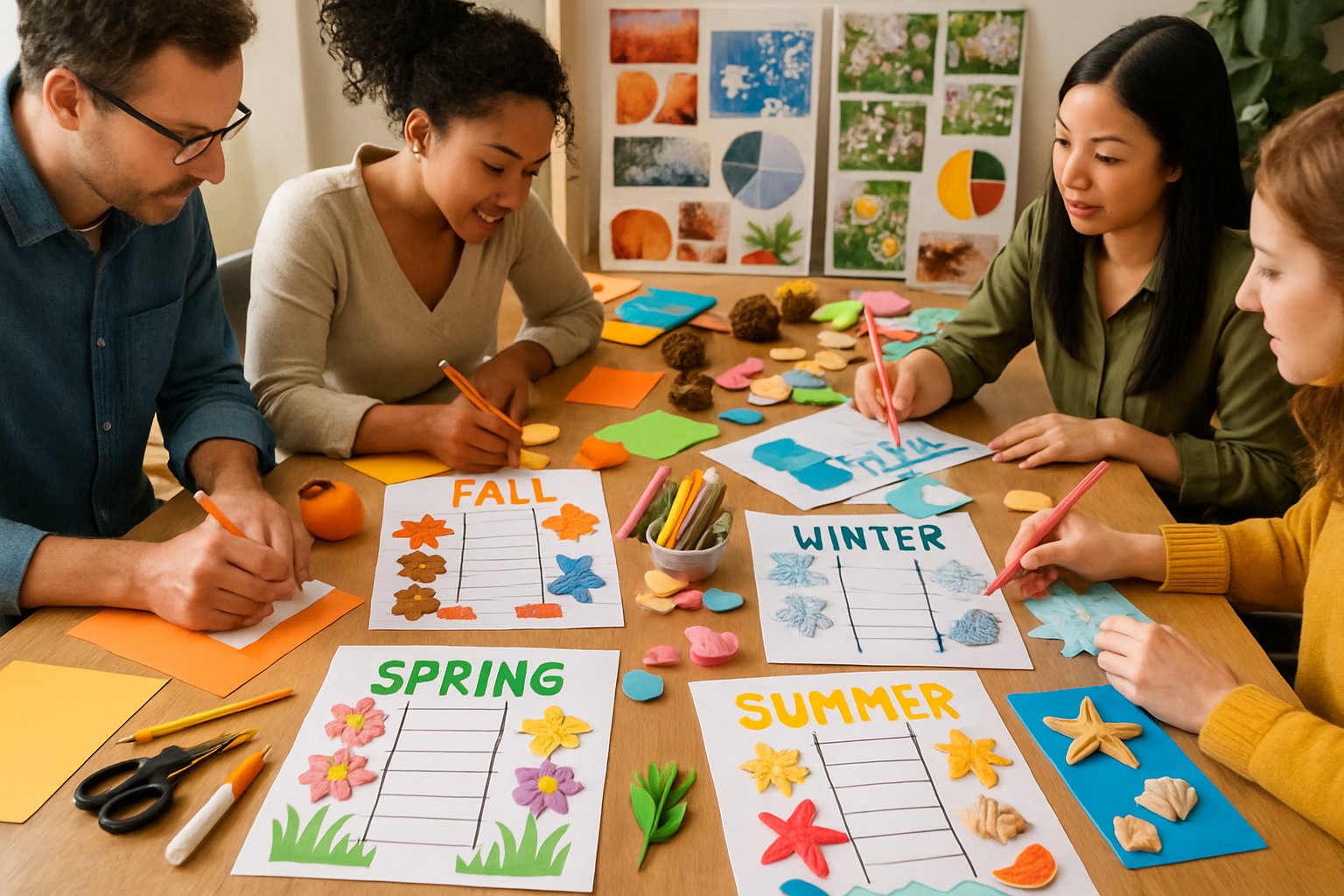
Teachers can create effective blend ladder activities by matching phonics practice with seasonal themes and using materials that connect to each time of year. Each season offers unique opportunities to engage students through themed vocabulary and hands-on activities.
Planning Fall-Themed Blending Games
Fall vocabulary provides rich opportunities for blend ladder practice. Teachers can use autumn words like “leaf,” “tree,” “corn,” and “pumpkin” to create engaging activities.
Harvest Word Building works well for fall themes. Students build words using letter cards with autumn pictures. They start with simple CVC words like “red” and “cat,” then move to more complex blends.
A Pumpkin Patch Blend Game lets students pick paper pumpkins with blend combinations. They practice blending sounds like “fl-” in “flag” or “tr-” in “tree.” Each correct blend earns them a pumpkin for their patch.
Apple Picking Activities can focus on words with short vowel sounds. Students pick apples with letters and blend them together. Words like “bag,” “can,” and “hat” work perfectly for beginning readers.
Teachers should use orange and brown materials to match the season. Real leaves or mini pumpkins make the activities more engaging for young learners.
Creative Winter Blend Ladder Ideas
Winter themes offer many chances to practice blends with cold weather vocabulary. Words like “snow,” “sled,” “cold,” and “hot” give students seasonal context for their learning.
Snowflake Blend Building uses paper snowflakes with letter combinations. Students create winter words by combining the sounds. Each snowflake can have different blend patterns like “sn-,” “sl-,” or “cl-.”
A Hot Cocoa Blend Game lets students warm up with phonics practice. They blend sounds to make words, then add marshmallows to their cocoa cup for each correct answer.
Winter Animal Activities work well with blend practice. Students learn about animals like “fox,” “owl,” and “elk” while practicing their blending skills.
Red and white materials create a winter feel. Teachers can use cotton balls for snow effects and blue paper for ice themes.
Spring Projects Using Phonics Blends
Spring brings growth themes that work perfectly with expanding reading skills. Spring projects can combine phonics practice with nature observations and hands-on learning experiences.
Garden Blend Activities let students plant word seeds. They write blend words on seed packets, then watch their reading garden grow. Words like “grow,” “plant,” “seed,” and “bloom” fit the theme perfectly.
A Butterfly Life Cycle Project combines science with phonics. Students practice blends while learning words like “egg,” “bug,” “fly,” and “wing.” They can create books showing each stage.
Rain Cloud Blending uses weather themes for phonics practice. Students make rain clouds with blend combinations that “rain down” onto their word garden below.
Green and yellow materials match spring colors. Fresh flowers or small plants can make activities more realistic and engaging.
Summer Blending Activities for Engagement
Summer vocabulary keeps students interested with fun, active themes. Beach and vacation words provide excellent practice opportunities for blend ladder activities.
Beach Ball Blends use colorful beach balls with letter combinations. Students toss the ball and blend whatever letters their hands touch. Words like “sun,” “fun,” “swim,” and “sand” work well.
A Camping Blend Adventure takes students on imaginary trips. They pack their blend backpacks with words like “tent,” “camp,” “fish,” and “hike.” Each word gets them closer to their camping destination.
Ice Cream Blend Building lets students create sundaes with phonics scoops. They stack letter combinations to make summer words. Correct blends earn them toppings for their treats.
Bright colors like blue, yellow, and pink match summer themes. Seasonal activities help keep students engaged when energy levels are high and attention spans might be shorter.
Tips for Assessment and Tracking Student Data
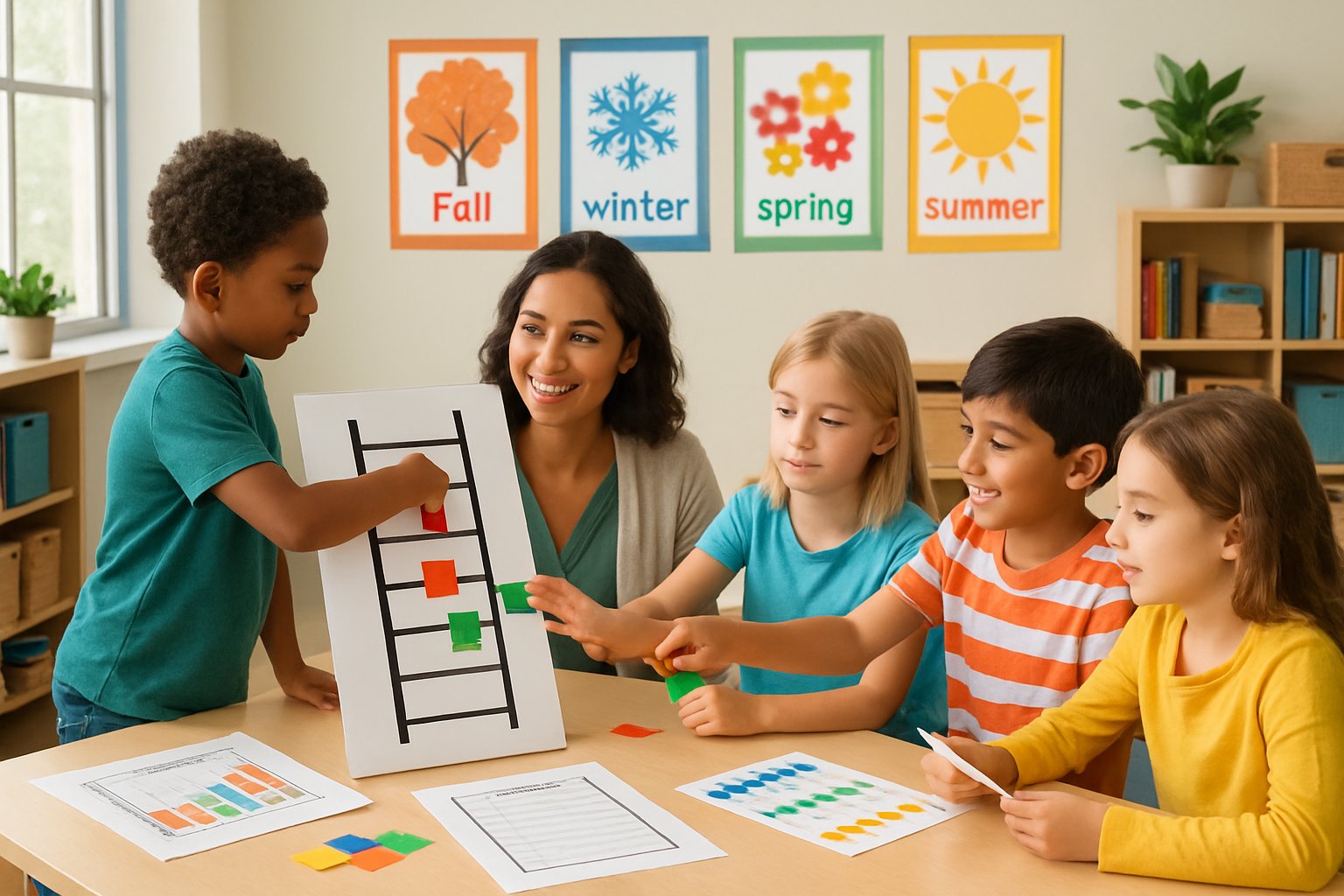
Effective assessment requires specific strategies that match seasonal activities with clear data collection methods. Teachers can use quick daily checks and organized tracking systems to monitor phonics progress throughout the year.
Formative Assessment Strategies for Seasonal Blend Ladders
Teachers should use quick observation checks during seasonal blend activities to gather immediate feedback. They can watch students as they work through fall leaf sorting or winter snowflake matching games.
Exit tickets work well after each seasonal lesson. Students write one blend they learned and one they still find tricky. This gives teachers instant data about who needs extra help.
Partner assessments let students check each other’s work during spring garden or summer beach activities. One student reads blend words while their partner marks correct responses on a simple checklist.
Daily thumb checks provide quick feedback during group time. Students show thumbs up for easy blends, thumbs sideways for somewhat hard blends, and thumbs down for difficult ones.
Mini white boards help teachers see all student responses at once. During seasonal activities, students write the blend they hear or see, then hold up their boards for immediate assessment.
Collecting and Analyzing Phonics Data Across Seasons
Student data trackers in spreadsheets help teachers organize blend progress throughout the year. Teachers can create simple charts with student names and seasonal blend targets.
Weekly data collection works best for tracking phonics growth. Teachers test five blends each Friday, rotating through seasonal sets. They mark student progress with simple codes like M for mastered, P for progressing, and N for needs work.
Color-coded tracking makes data easy to read. Green shows mastered blends, yellow shows emerging skills, and red shows areas needing focus. Teachers can quickly spot patterns across seasons.
Assessment data helps students understand their progress when shared regularly. Teachers should show students their blend charts monthly so they can see their growth.
Seasonal portfolios collect student work samples from each theme. Teachers can compare fall apple blend worksheets with spring flower activities to track improvement over time.
Leave a Reply