What is Unschooling?
Unschooling is a form of home education that focuses on child-led learning rather than structured lessons. It encourages children to follow their interests and learn through real-life experiences, play, and exploration instead of a set curriculum.
Core Principles of Unschooling
Unschooling is built on the belief that children are naturally curious and capable of directing their own education. Instead of textbooks and tests, learning happens through everyday activities, hobbies, and personal interests.
This approach values self-directed education, where children decide what to study and how deeply to explore a subject. For example, a child fascinated by insects might spend weeks observing bugs, reading about them, and drawing them. This process allows learning to feel meaningful and connected to real life.
Some families practice radical unschooling, which extends beyond academics into daily living. In this model, children also guide choices in routines, media, and social interactions. The idea is that autonomy fosters responsibility and lifelong curiosity.
Unschooling recognizes that learning is not separate from life. Skills like reading, math, and problem-solving often develop as by-products of pursuing personal goals.
How Unschooling Differs from Homeschooling
While both unschooling and homeschooling happen outside traditional schools, they differ in structure. Homeschooling usually follows a set curriculum, lesson plans, or online programs. Parents often act as teachers, guiding instruction and assessing progress.
Unschooling, by contrast, avoids formal lessons. Instead, it relies on child-led education where the learner decides what, when, and how to study. For example, a homeschooled student may complete daily math worksheets, while an unschooled child might learn math through cooking, budgeting, or building projects.
Another difference is flexibility. Homeschooling often mirrors school schedules, while unschooling adapts to each child’s pace. Families may spend mornings at museums, afternoons exploring nature, or evenings playing games that build critical thinking.
According to Healthline, unschooling emphasizes curiosity-driven exploration, while homeschooling is more structured. Both approaches fall under the larger category of home education but serve different learning styles.
Role of Parents in Unschooling
In unschooling, parents are not traditional teachers. Their role is to create an environment rich with opportunities and resources. They observe their child’s interests and provide materials, experiences, or connections that support those passions.
For example, if a child shows interest in astronomy, parents might borrow books, visit a planetarium, or set up a telescope. They act as facilitators rather than directors of learning.
Parents also help children access community resources such as libraries, online courses, or mentors. This support ensures that learning remains broad and not limited to what is available at home.
The Unschoolers.org community explains that parents encourage exploration without turning it into forced lessons. Instead of designing structured units, they respond to curiosity in flexible and practical ways.
This role requires trust in the child’s ability to learn at their own pace. Parents guide gently, offering tools and experiences, while respecting the child’s independence.
How Unschooling Works in Daily Life
Unschooling often centers on a child’s natural curiosity and the way they learn best. It also uses everyday activities and environments as opportunities for growth, instead of relying on a fixed curriculum.
Natural Curiosity and Learning Styles
Unschooled children usually follow their own interests, which can guide what they choose to study or explore. A child who loves animals might spend hours reading about habitats, while another who enjoys numbers may practice math through games or budgeting.
Parents often notice that learning styles differ. Some children prefer hands-on projects, while others learn best through reading or conversation. Recognizing these differences helps families support natural learning without forcing a single method.
Instead of worksheets or tests, progress often shows through conversations, projects, or skills gained in daily life. This approach trusts that curiosity naturally leads to deeper knowledge. Families who practice unschooling often see that children stay more engaged when they choose what to learn.
Key idea: Learning is not one-size-fits-all. By following a child’s style, families create an environment where curiosity drives growth.
Real-World Learning Experiences
Unschooling treats the world as the classroom. Children learn math by cooking and measuring ingredients, practice reading through signs and menus, and build social skills during community activities.
Many families use museums, libraries, parks, and even travel as part of their routine. These settings provide real-world learning that feels relevant and practical. For example, gardening can teach biology, responsibility, and patience all at once.
Unlike traditional schooling, unschooling blends education into daily life. Children may explore history at a museum one day and learn problem-solving by fixing a bike the next. This flexibility allows them to connect knowledge to real situations.
As unschooling families often report, these experiences help children see learning as continuous, not limited to “school hours.” It becomes part of how they live, not a separate activity.
Challenges and Considerations
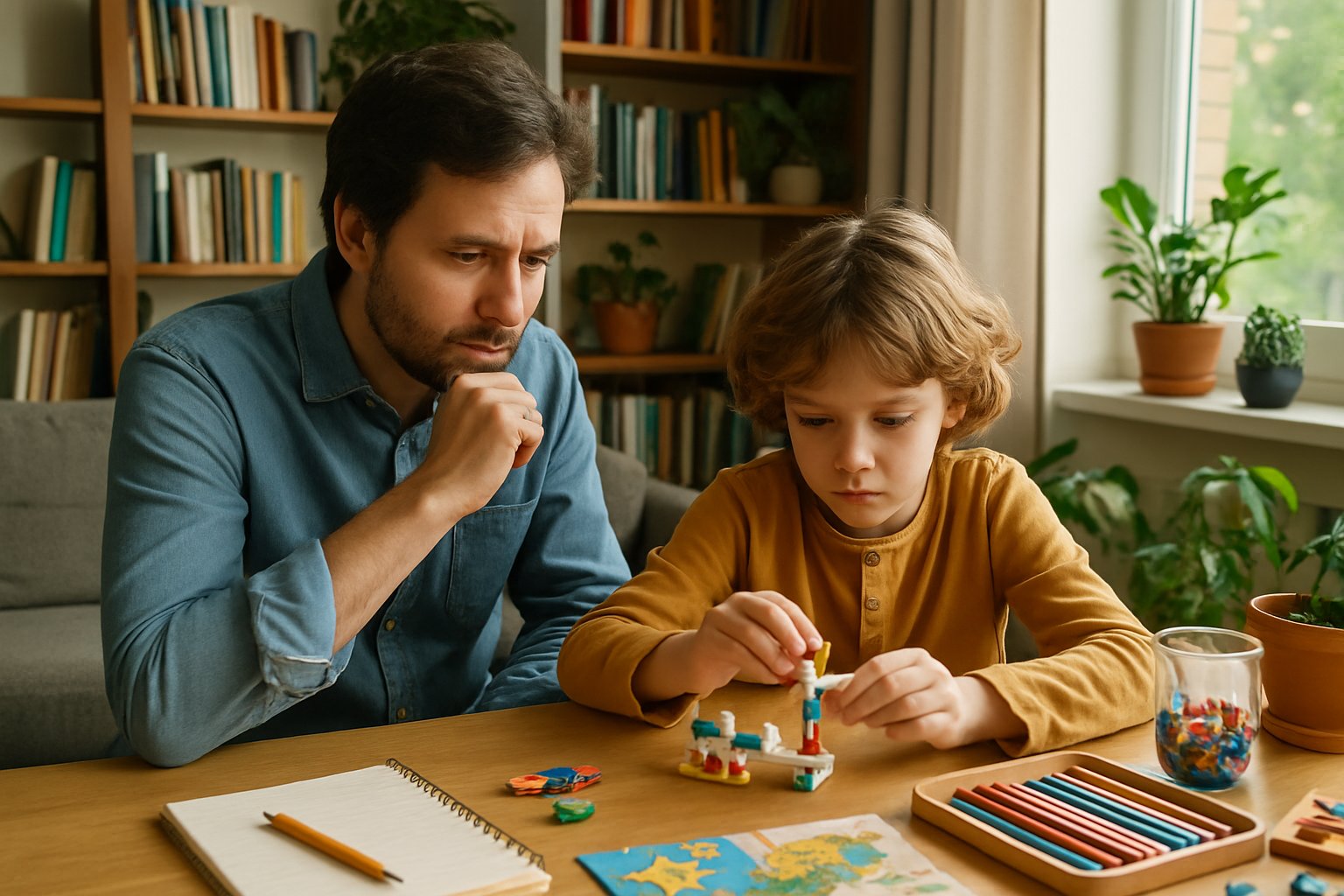
Families who choose unschooling often face unique hurdles that differ from traditional homeschooling. These include the shift away from structured schooling habits and the difficulty of meeting outside academic requirements like standardized testing.
Deschooling and Transition
When children leave traditional school, they usually need time to adjust. This adjustment period is often called deschooling. It helps them break free from rigid schedules, grading systems, and teacher-led instruction.
During deschooling, children may spend more time resting, exploring hobbies, or rediscovering interests. Parents sometimes worry that little “schoolwork” is being done, but this stage is important for building trust in self-directed learning.
The length of deschooling varies. Some children adapt within weeks, while others take months. A common guideline is about one month of deschooling for each year spent in formal schooling.
Parents also need to adjust. They shift from directing lessons to observing and supporting curiosity. This can feel uncomfortable at first. Families who understand the process often find it easier to settle into a new rhythm of learning.
Standardized Testing and Assessment
Many states require proof of progress through standardized testing or portfolio reviews. For unschooling families, this can be challenging since learning does not follow a set curriculum.
Children may not cover subjects in the same sequence as schools. This makes preparing for standardized tests stressful. Some families choose practice tests or light review sessions to help children feel more confident.
Assessment options differ by location. In some areas, parents can submit work samples or evaluations instead of test scores. Checking local laws through state education departments is essential.
Unschooling parents often balance compliance with maintaining a flexible approach. They may document learning through photos, journals, or projects. These records can demonstrate growth while honoring a child’s unique learning path.
For more details on how families navigate these requirements, see this overview of unschooling challenges and benefits.
Leave a Reply