Academic Progress Feels More Personalized And Effective
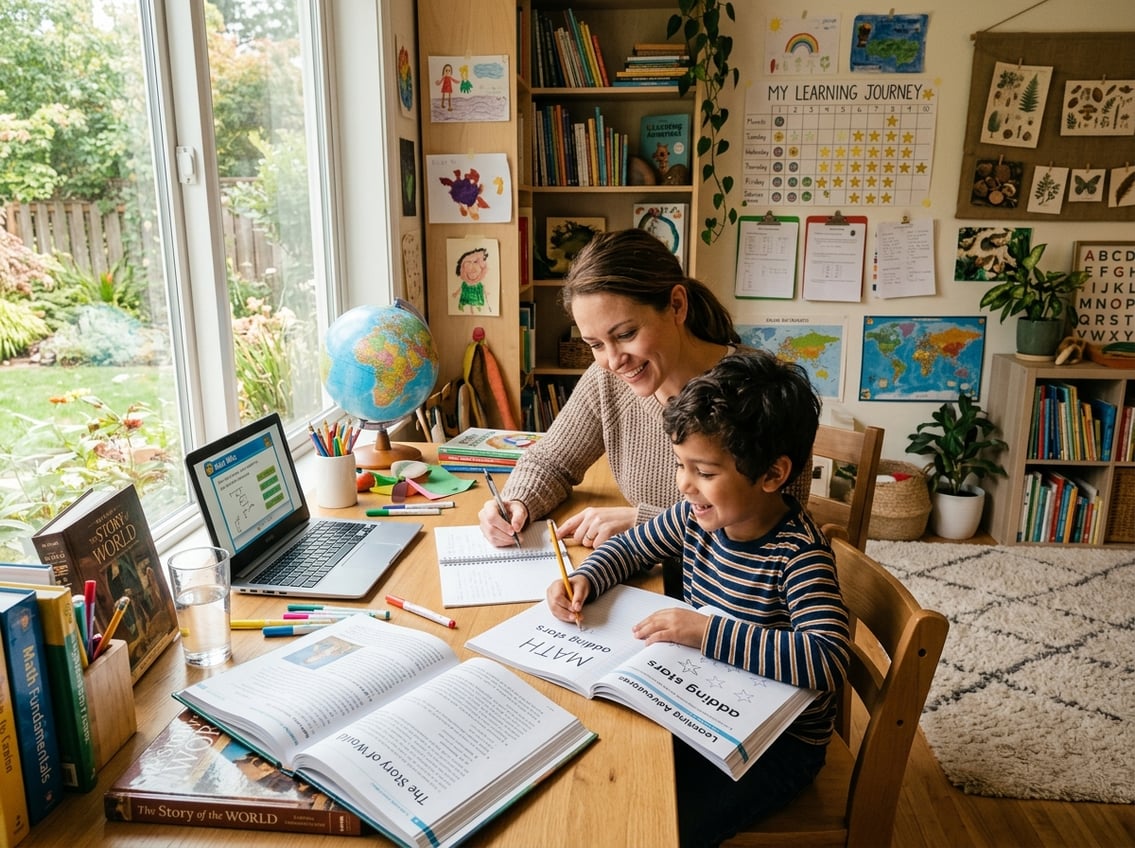
When homeschooling clicks, academic growth becomes visible in ways that feel specific to your child. You start to notice faster understanding and a learning rhythm that matches your child’s actual needs rather than a standardized timeline.
Your Child Learns Faster With One-On-One Attention
One of the clearest signs homeschooling is working is that your child grasps new material more quickly. One-on-one instruction means you can explain something three different ways in five minutes if needed.
There is no waiting for 25 other students to catch up. This kind of personalized learning allows your child to spend more time on hard topics and move quickly through easier ones.
Research has shown that homeschoolers often outperform their peers in traditional schools on standardized tests and have higher college acceptance rates. That direct attention makes a real difference.
The Homeschool Curriculum Fits Your Child Better Than School Did
If your child used to dread certain subjects but now shows curiosity, your homeschool curriculum is likely a better match. You have the freedom to choose from traditional textbooks, online courses, or hands-on experiential learning.
That flexibility matters. A curriculum that fits well does not feel forced.
Your child engages more willingly. You spend less time battling resistance and more time actually covering material.
You Can Clearly See A Personalized Learning Experience Taking Shape
A personalized learning experience looks different for every family. Maybe your child learns math through cooking measurements or picks up history through documentaries and museum visits.
When you can point to specific examples of your child thriving because of how they learned something, you are witnessing personalized learning in action. As noted by Enlightium Academy, individualized attention and creative freedom are among the top reasons families find success with this approach.
Learning Gaps Shrink Because Pace And Methods Are Flexible
In a traditional classroom, learning gaps often pile up because the class moves forward regardless. In your homeschool, you can pause, go back, or try a completely different method until something sticks.
If you have watched a gap in reading, math, or another subject actually close over the course of months, that is one of the strongest signs your approach is working. Flexible pacing is not a luxury in home education; it is the engine that drives real progress.
When your child no longer dreads a subject they once avoided, you know the flexibility paid off.
Daily Life At Home Feels More Sustainable And Positive
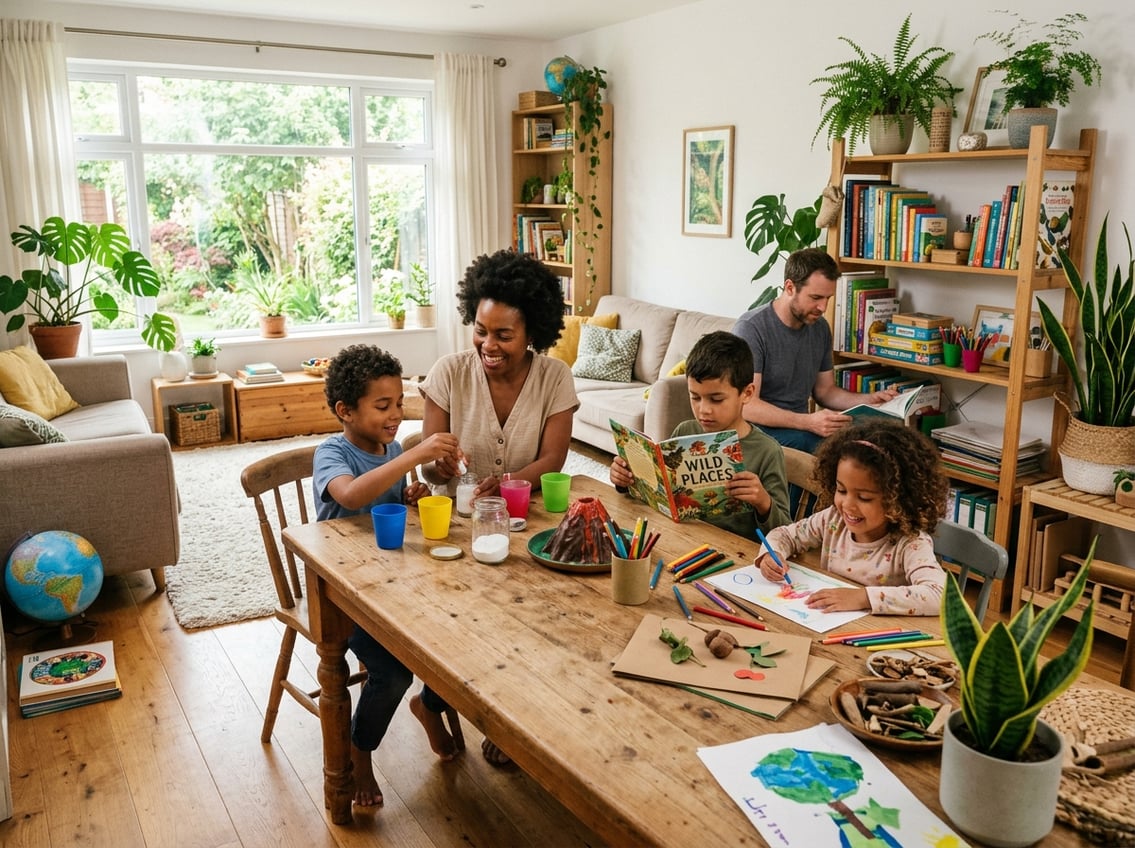
Homeschooling works best when it stops feeling like a constant uphill battle. Your mornings are calmer, your children resist less, and the daily routine starts to feel like something your family chose rather than something happening to you.
School-Day Stress And Resistance Have Started To Drop
Remember those mornings filled with tears, arguments about homework, or anxiety before the school bus arrived? If those scenes have faded since you started homeschooling, pay attention.
Reduced stress is a major indicator that your child’s learning environment has improved. It does not mean every day is perfect.
Kids still have off days. But if the pattern has shifted from dreading school time to mostly accepting or even enjoying it, your family has found a healthier rhythm.
Many parents describe how the shift to home education helped heal or strengthen their relationship with their child.
Flexible Scheduling Makes Learning Fit Real Family Life
Rigid bell schedules do not work for every family. One of the biggest benefits of homeschooling is flexible scheduling.
You can do math at 10 a.m. or 2 p.m. You can take a Wednesday off for a family event and make it up on Saturday.
This flexibility lets you build your school day around real life instead of the other way around. Doctor appointments, travel, seasonal activities, and even a parent’s work schedule can all coexist with learning.
When your schedule feels sustainable rather than suffocating, that is a clear sign things are working.
You Feel More Confident About How To Start Homeschooling Well
Early on, most parents feel unsure about how to start homeschooling. You second-guess your curriculum choices, worry about covering enough material, and compare yourself to traditional schools.
But over time, confidence grows. If you now trust your instincts about what your child needs, adjust plans without panic, and feel less dependent on external validation, you have grown into your role.
Knowing how to start homeschooling is one thing. Feeling settled in your homeschool life is a much bigger milestone.
Character Development Happens Naturally During The Day
In a homeschool setting, character development is not a separate class or an afterthought. It happens in real time.
Your child learns patience while helping a younger sibling. They practice honesty during a tough conversation at lunch.
Responsibility shows up when they manage their own assignments. Homeschooling allows families to instill core values like integrity, respect, and responsibility into everyday education.
If you are seeing your child grow not just academically but as a person, your homeschool is doing far more than teaching subjects.
Your Family Has Built Support, Connection, And Long-Term Momentum
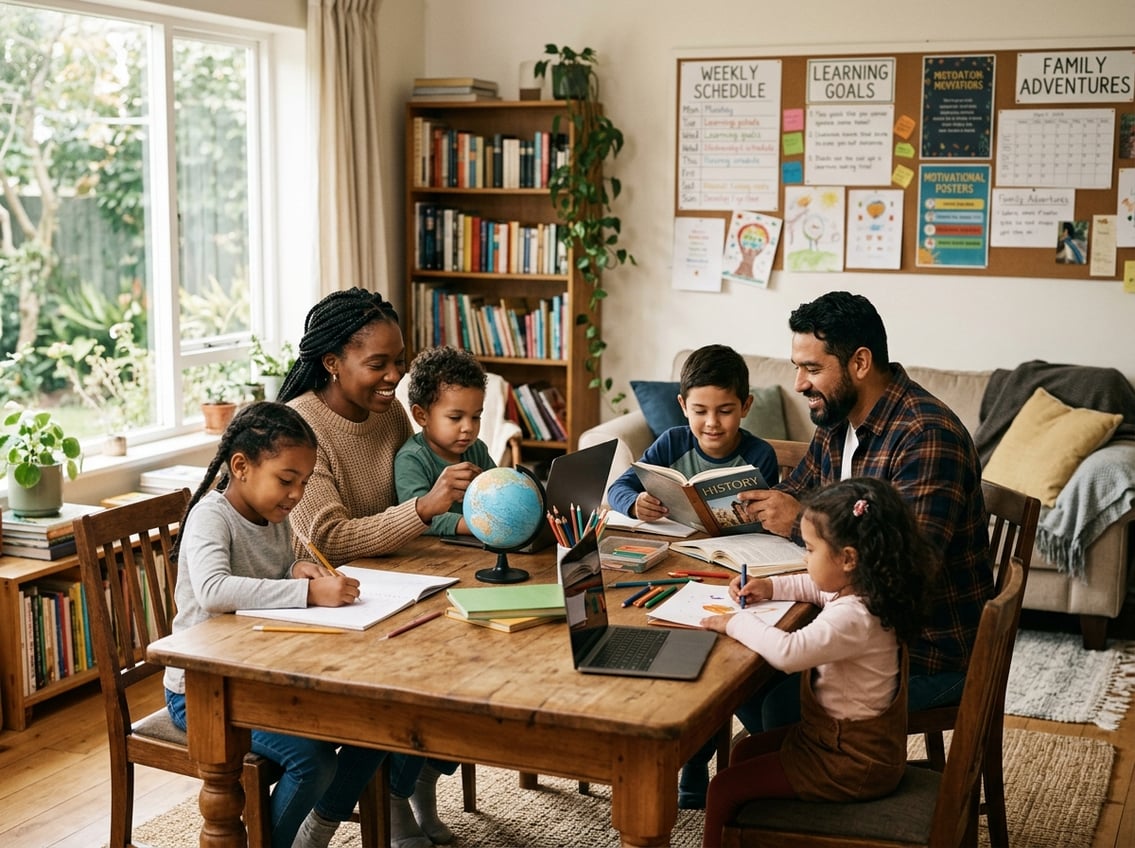
Homeschooling is not sustainable in isolation. When your family has found community, built a social rhythm, and feels united about the decision, you have created the foundation for long-term success in home education.
Social Life Is Intentional Rather Than Missing
One of the most common concerns about homeschooling is socialization. If your child has regular friendships, participates in group activities, and interacts comfortably with people of various ages, that concern has been answered.
The difference is that social life in homeschooling tends to be chosen rather than random. You select activities, groups, and friendships that align with your values.
Research published in Peabody Journal of Education found that when families integrate social opportunities into daily life, they build meaningful community connections while strengthening family bonds. Intentional socialization is not a weakness; it is a strength.
A Homeschool Co-Op Or Other Community Support Strengthens Your Routine
Joining a homeschool co-op can transform your weekly schedule. Co-ops offer group classes, shared teaching responsibilities, and structured social time.
They give your child a sense of belonging beyond your home. If you have found a co-op, church group, sports team, or other regular community, your homeschool gains consistency and variety.
These connections also give you a support network of parents who understand the daily realities of home education.
Homeschool Co-Ops Help Both Parents And Kids Stay Engaged
Burnout is real for homeschooling parents. Homeschool co-ops reduce that pressure by giving your children access to other teachers, perspectives, and learning styles.
Your child benefits from fresh instruction, and you get a break. Co-ops also keep kids engaged with peers who share similar schedules and lifestyles.
Group science labs, book clubs, art classes, and field trips add energy to your routine. As noted by ADK Learning, being part of a homeschooling community helps families avoid isolation and maintain enthusiasm year after year.
The Whole Family Feels More Aligned With The Decision
This might be the most telling sign of all: everyone in your household feels good about homeschooling. That does not mean there are zero hard days.
It means the hard days no longer make you question the entire decision. When your spouse, your children, and you agree that this path is right for your family, momentum builds naturally.
Homeschooling strengthens family bonds through improved communication, shared goals, and a more flexible learning environment. Alignment within the family is what turns a short-term experiment into a lasting educational choice.
Frequently Asked Questions
How can I tell if my child is learning enough at home compared to traditional school?
Look for steady progress in core subjects, growing confidence, and the ability to apply what they have learned in real situations. You can also use standardized tests, portfolio reviews, or grade-level benchmarks to compare.
If your child shows curiosity and retains information over time, they are likely learning plenty.
What are the biggest disadvantages of homeschooling, and how can families reduce them?
The most common challenges are limited socialization, financial strain from a single income, and gaps in parent expertise for advanced subjects. Families can reduce these by joining a homeschool co-op, using online expert teachers and social media groups to connect with other homeschoolers, and choosing affordable online courses for tougher subjects.
What are the main advantages and disadvantages of homeschooling for academic and social development?
Academically, homeschooling offers personalized pacing, one-on-one attention, and curriculum flexibility. Socially, it requires more effort from parents to create regular peer interactions.
The advantage is that social experiences can be intentional and positive. The disadvantage is that it takes planning and consistency to maintain.
How does homeschooling affect a child’s mental health and stress levels?
Many children experience less anxiety, fewer behavioral issues, and better self-esteem after leaving a stressful school environment. Homeschooling removes pressures like bullying, high-stakes testing, and rigid schedules.
When families create a safe and emotionally supportive learning environment, children often thrive both emotionally and academically.
What are the long-term effects of homeschooling later in life, including college and career outcomes?
Homeschooled students tend to perform well in college, often earning higher GPAs than their traditionally schooled peers. They also develop strong self-discipline and time management skills that carry into careers.
According to Oregon State University research, the educational outcomes for homeschooled students are generally positive across multiple measures.
What financial costs and potential government benefits should families consider when homeschooling?
Costs vary widely depending on curriculum choices. Options range from free online resources to several thousand dollars per year for premium programs.
Some states offer tax credits or education savings accounts for homeschoolers. Access to public school resources may also be available in certain areas.
Check your state’s specific homeschool laws to find out what financial support is available to your family.
Leave a Reply