What Are Blend Ladders and Why Are They Essential?
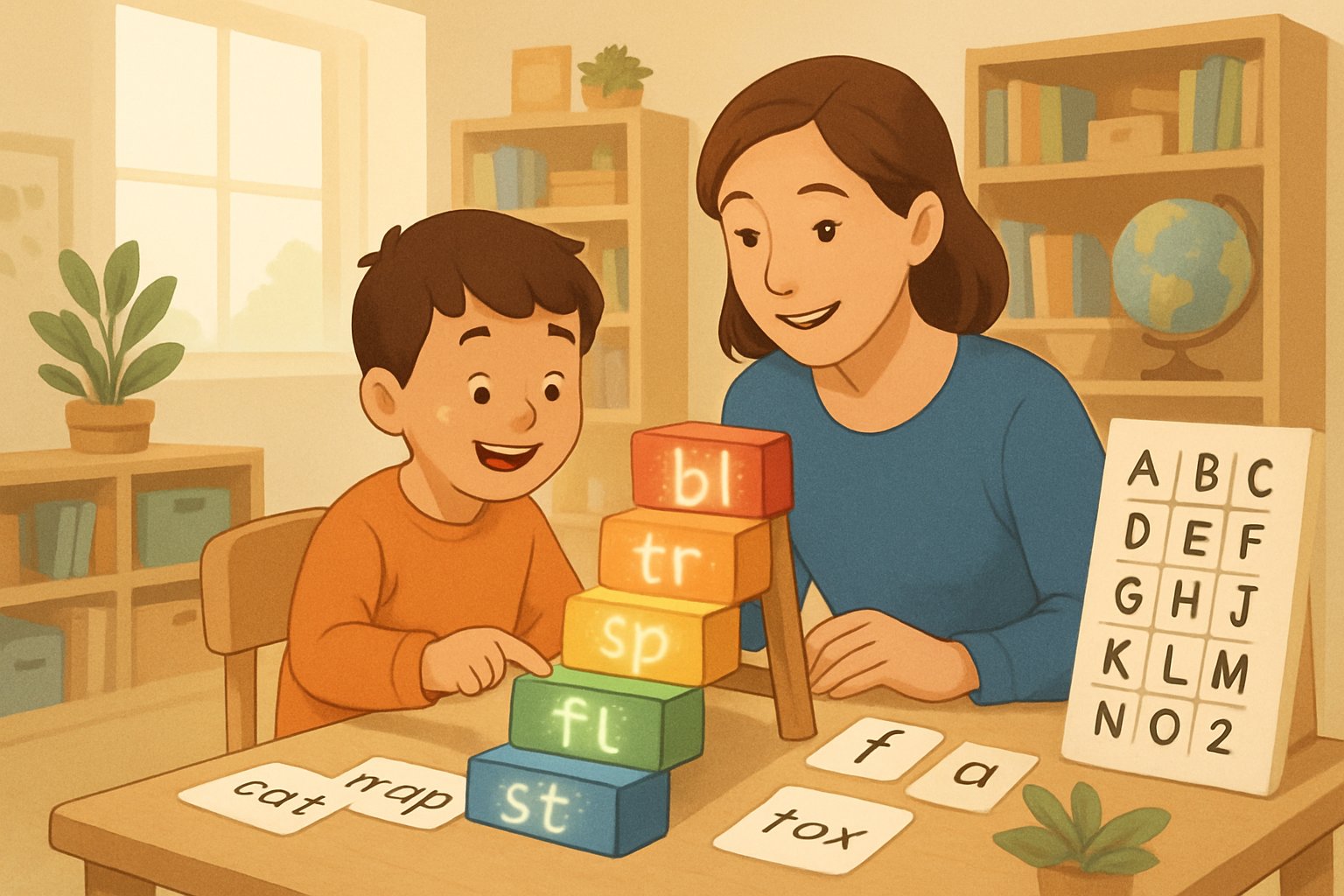
Blend ladders help children connect sounds and letters in a clear, structured way. They strengthen phonemic awareness, support decoding, and build word recognition—skills that make reading smoother and more confident.
How Blend Ladders Work for Homeschoolers
Blend ladders are visual tools that guide students through small sound changes in words. Each “rung” on the ladder changes one letter or sound at a time, such as moving from cat to bat to bit. This step-by-step approach makes it easier for children to hear and see how sounds form words.
Homeschool parents use blend ladders to give daily, hands-on reading practice. Students can move at their own pace while building confidence in decoding. Printable and digital versions make it simple to fit into any reading routine.
This structured method helps children connect phonemic awareness directly to phonics instruction. The process supports both early readers and those who need extra reinforcement in sound blending.
Difference Between Blend Ladders, Sound Ladders, and Letter Ladders
Although the terms are often used together, each ladder type has a slightly different focus.
- Blend ladders emphasize combining consonant and vowel sounds to form complete words.
- Sound ladders focus on hearing and blending individual phonemes.
- Letter ladders highlight letter patterns and spelling sequences.
Exceed in Learning explains that all three tools strengthen the link between hearing, seeing, and saying words. Teachers and parents can choose one or combine them depending on a child’s reading stage.
This variety allows homeschoolers to target specific skills. For example, sound ladders help with early listening skills, while letter ladders support spelling and word pattern recognition.
Benefits for Beginning and Struggling Readers
Blend ladders give beginning readers a clear path to understanding how sounds connect to letters. The repetition builds automatic word recognition, which leads to smoother reading and better comprehension.
For struggling readers, ladders break reading into smaller, achievable steps. Changing one sound at a time reduces frustration and builds confidence. Teachers can adjust the ladder’s difficulty to match each learner’s needs.
The Clever Homeschool guide notes that this approach also improves spelling and phonics fluency. Regular practice helps students move from slow decoding to fluent reading, making blend ladders an effective support tool for literacy growth at home.
The Science Behind Blend Ladders: Building Strong Reading Foundations
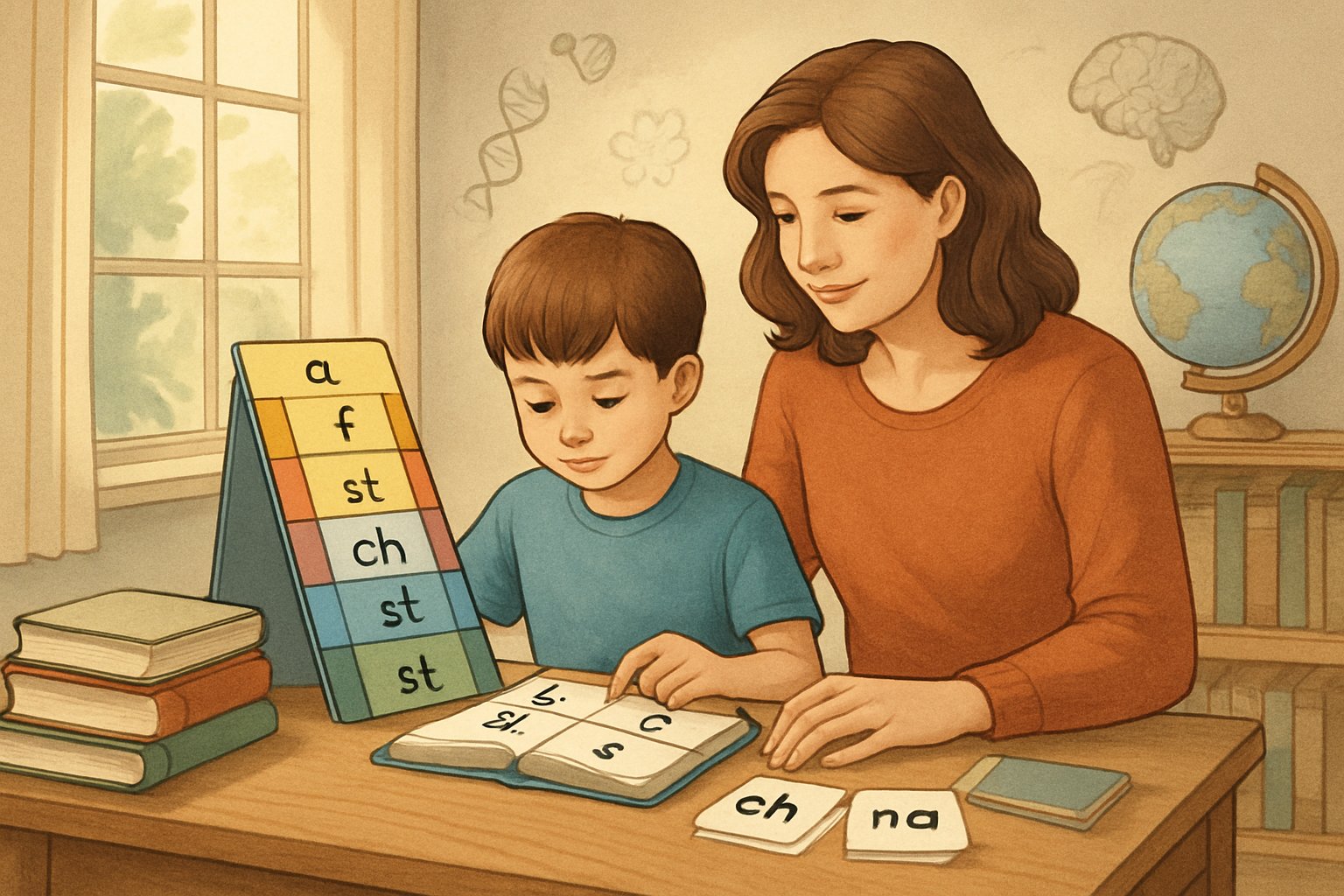
Blend ladders help students connect spoken and written language by strengthening phonemic awareness, letter-sound relationships, and decoding accuracy. They use repetition and pattern recognition to make reading automatic and spelling more consistent.
Phonemic Awareness and Letter-Sound Relationships
Phonemic awareness is the ability to hear and manipulate individual sounds in words. Students use this skill to break apart and blend sounds when reading. Tools like blend ladders give students structured practice with these skills in a simple, hands-on way.
Each step in a ladder changes one sound, such as moving from cat to bat. This small shift helps children notice how one letter changes a word’s meaning. It also reinforces the connection between phonemes (sounds) and graphemes (letters).
Teachers often begin with simple consonant-vowel-consonant (CVC) words. This builds a strong base for recognizing patterns before moving to more complex blends.
Key skills developed:
- Sound isolation and blending
- Letter-sound correspondence
- Phoneme substitution and deletion
These activities help students link what they hear with what they see, a core part of any effective phonics program.
Mastering Short Vowel and Vowel Sounds
Short vowel sounds are some of the first patterns students master. They appear in words like cat, bed, and hop. Blend ladders make these patterns clear by letting students practice one vowel sound across many words.
A structured phonics approach ensures students recognize how vowel sounds change meaning. For example, switching bit to bat highlights how a single vowel alters pronunciation and word identity.
Students also learn to identify long and short vowel contrasts through repetition. Teachers might use a simple table like this to guide practice:
| Vowel | Short Sound | Example |
|---|---|---|
| a | /ă/ | cat |
| e | /ĕ/ | bed |
| i | /ĭ/ | sit |
| o | /ŏ/ | hop |
| u | /ŭ/ | sun |
This routine helps students internalize vowel patterns, improving both decoding and spelling accuracy.
Developing Decoding and Spelling Skills
Decoding means turning letters into sounds to read words. Blend ladders give students repeated practice decoding in small, manageable steps. Each rung of the ladder changes one sound, helping students focus on letter-sound relationships without feeling overwhelmed.
As they decode more accurately, students begin to recognize familiar word patterns faster. This supports automatic word recognition and smoother reading. According to research on blend ladders, this structured repetition also strengthens spelling skills by reinforcing consistent sound-symbol connections.
Benefits for decoding and spelling:
- Better recognition of word families
- Improved accuracy in sound blending
- Stronger retention of phonics rules
Students who practice decoding through blend ladders gain confidence in reading and spelling because they understand how letters and sounds fit together.
Practical Strategies for Using Blend Ladders at Home

Families can use blend ladders to help children connect letter sounds, build fluency, and strengthen decoding skills. Simple routines, short practice times, and varied word types make learning more effective and enjoyable.
Step-by-Step Guide to Introducing Blend Ladders
Parents can start by showing a simple ladder with one consonant and several vowels. For example, a “B” ladder might include ba, be, bi, bo, bu. Children point to each pair while saying the sounds aloud.
Keep sessions short—about 5 to 10 minutes. This helps students stay focused and prevents fatigue. Once they understand the pattern, they can blend sounds smoothly from left to right.
A helpful daily routine might include:
- Say the vowel sound first.
- Add the consonant sound.
- Blend both sounds together.
- Move down to the next rung.
Parents can find detailed examples and printable templates here. Visual aids and repetition help children see how letters form predictable sound patterns.
Using CVC Words and Nonsense Words for Practice
After mastering consonant-vowel blends, children can add an ending consonant to form CVC words such as bat, bet, bit, bot, and but. This step reinforces how sounds combine to make real words.
Practicing nonsense words like baf or dut builds strong decoding skills. These words train children to rely on phonics rather than memorization. Teachers often use this method to measure true sound manipulation skills.
A simple table can guide daily practice:
| Type of Word | Example | Skill Focus |
|---|---|---|
| Real CVC Word | cat | Reading fluency |
| Nonsense Word | lat | Sound blending accuracy |
Printable ladders and word lists from Exceed in Learning help keep lessons structured and engaging.
Supporting RTI and Differentiated Instruction
Blend ladders fit well within RTI (Response to Intervention) frameworks. They allow teachers or parents to adjust instruction for different reading levels.
Students who need extra help can work with fewer sounds and use large, colorful ladders. Advanced learners can add blends like bl, cl, or st to increase difficulty.
Differentiated instruction ensures that every child practices at the right level. Teachers can track progress by noting how quickly students blend sounds or read CVC words correctly.
Resources like Using Blend Ladders to Support Struggling Readers describe how these tools strengthen phonemic awareness and confidence across skill levels.
Leave a Reply