Start With Why Your Child Wants A Change
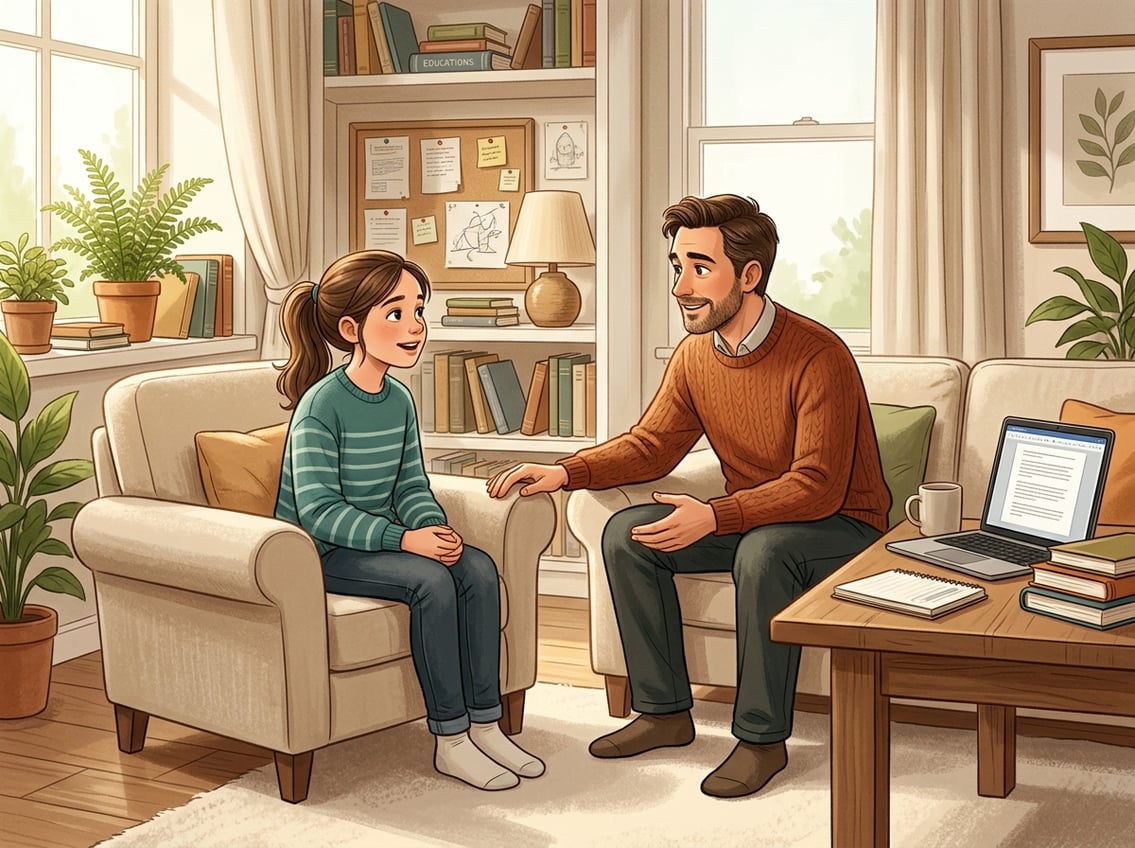
When your child wants to go to public school after being homeschooled, your first job is to listen carefully and figure out what is really driving the request. The reason behind the ask matters more than the ask itself, and it will shape every decision you make next.
Questions To Ask Before You React
It is tempting to get defensive or rush to fix things. Pause instead.
Sit down with your child and ask open, honest questions.
Try questions like these:
- “What do you think public school would give you that you don’t have now?”
- “Is there something about our homeschool days that feels frustrating or boring?”
- “Are you missing being around other kids more often?”
The goal is not to talk your child out of anything; it is to truly hear what they need. Let them speak without interruption.
You can ask follow-up questions, but avoid arguing their points right away. According to child psychologists, creating a safe space for honest dialogue helps kids open up about fears and frustrations they might otherwise hide.
When A Pros And Cons List Actually Helps
A pros and cons list works best when your child is old enough to think through trade-offs, usually around age 10 and up. Grab a sheet of paper and make two columns together.
On one side, list what homeschooled kids enjoy about learning at home: flexible schedules, one-on-one attention, comfort. On the other side, write down what public school might offer: daily time with peers, sports teams, structured classes.
This exercise is not about “winning.” It helps both of you see the full picture without emotions running the conversation.
Many homeschool moms find that the list reveals a specific gap, like wanting a science lab or a lunch table full of friends, rather than a total rejection of homeschooling.
How To Tell Whether The Issue Is Social, Academic, Or Temporary
Not every request means your child is unhappy with homeschooling itself. Break the issue into three categories:
- Social: Your child feels isolated, misses friendships, or wants to be part of a group. Look for signs like constantly asking for playdates or talking about what “regular school kids” do.
- Academic: Your child feels bored, unchallenged, or lost in a subject. They might say things like “I never get to do experiments” or “I want a real teacher for math.”
- Temporary: A bad week, a fight with a sibling during school time, or seeing a friend’s back-to-school photos on social media can trigger the request.
If the desire fades within a few weeks, it was likely a passing feeling. Identifying the category helps you decide whether you need a small tweak, a bigger change, or just patience.
Decide Whether To Adjust Home Learning Or Make The Switch
Once you understand what is behind your child’s request, you face a real choice: fix what is broken in your homeschool setup or start the transition to public school. Sometimes the answer is a curriculum change; sometimes the answer is a new building with new faces.
Signs Your Homeschool Setup May Need Tweaks
Your homeschool curriculum might be the problem, not the concept of homeschooling. Look for these signs:
- Your child is bored because the material is too easy or too hard.
- Daily lessons feel repetitive with no variety in teaching methods.
- You have not updated your curriculum in over a year.
- Your child thrives in group settings but rarely gets them.
Small fixes can make a big difference. You might add a co-op class, switch to a new math program, or schedule weekly field trips.
If the root issue is social, joining a homeschool sports league or community theater group could fill the gap without leaving homeschool entirely.
The best schooling option can shift from year to year as your child’s needs change, so reevaluating regularly is smart.
When Public School May Be The Better Fit Right Now
Sometimes the honest answer is that public school serves your child better in this season. Consider making the switch if:
- Your child has asked repeatedly over several months, not just once after a tough day.
- They need specialized services like speech therapy, gifted programs, or special education support that you cannot easily provide.
- Your family situation has changed, and you can no longer give homeschool the time and energy it requires.
- Your child craves daily peer interaction that co-ops and extracurriculars are not satisfying.
Sending your child to public school does not erase the years you invested in homeschooling. It means you are choosing the environment that fits right now.
How To Talk About The Decision Without Making It Feel Personal
This conversation can sting, especially if you have poured your heart into teaching your child. Keep these tips in mind:
- Separate your identity from the decision. You are still a great parent regardless of where your child learns.
- Avoid guilt language. Phrases like “after everything I’ve done” or “you don’t appreciate this” shut down communication.
- Frame it as a team choice. Say something like, “Let’s figure out what works best for you this year.”
Your child needs to know that their feelings are valid and that asking for change is not an insult. When you approach the conversation calmly, it teaches your child that big decisions deserve thoughtful discussion, not emotional reactions.
Handle The Move Back To School Smoothly
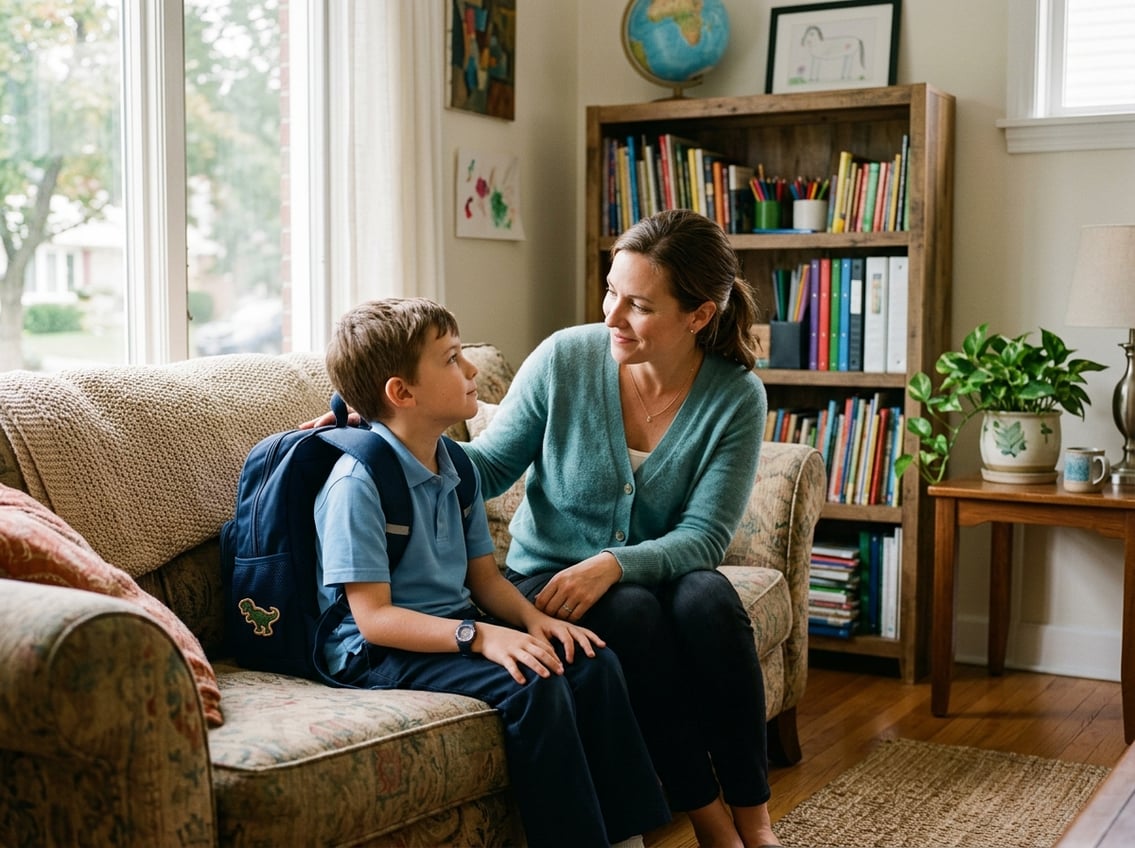
Moving from homeschooling to public school involves more than just showing up on a Monday morning. You will need paperwork, patience, and a plan to help your child adjust to a completely different daily routine.
State Rules, District Policies, And Enrollment Basics
Every state handles the transition from homeschool to public school differently. Some states require a simple enrollment form, while others ask for proof that you formally withdrew your child or that you met specific homeschooling requirements during the time you taught at home.
Start by calling your local school district’s enrollment office. Ask these specific questions:
- What forms do you need to enroll a previously homeschooled student?
- Is there a specific enrollment window, or can my child start mid-year?
- Will my child need to take a placement test?
Many districts allow enrollment at any time during the school year, but starting at the beginning of a semester or quarter makes the social transition easier. The U.S. Department of Education offers general guidance on education options, though your district’s office will have the most detailed, local answers.
Records Schools May Request For Placement
Public schools typically want to see some evidence of what your child has learned. Gather these items before your first meeting with the school:
- Homeschool portfolio: Samples of completed work, writing assignments, test scores, and project photos.
- Attendance records: If your state required you to log days of instruction.
- Standardized test results: If your child took any national or state tests during homeschooling.
- Immunization records: These are required for enrollment in most states regardless of where your child previously learned.
- Transcript or course list: For high school students, a detailed list of subjects covered and grades earned.
If you do not have formal transcripts, do not panic. Many schools will use a placement test or teacher evaluation to determine the right grade level.
Being organized and upfront about what you do have goes a long way.
Preparing For The First Weeks After Reentry
The first few weeks of public school after homeschooling can be exciting and overwhelming at the same time. Your child may face a mix of anxiety, excitement, and uncertainty about fitting in.
Here is how to support them:
- Visit the school beforehand. Walk the hallways, find their locker, and meet their teacher if possible. Preparation reduces fear of the unknown.
- Practice the new routine. Wake up at the school-day time for a week before the first day. Pack lunches, pick out outfits, and rehearse the morning flow.
- Check in daily. Ask specific questions like “What was the best part of today?” instead of just “How was school?”
- Give it time. Most kids need four to six weeks to feel settled.
Your child may struggle with sitting still for long periods, following a bell schedule, or navigating social groups they did not grow up with. Be patient.
These are skills they will build quickly once they are in the environment.
Frequently Asked Questions
What are the most common reasons a child wants to leave homeschooling and return to a traditional classroom?
The biggest reasons include wanting more time with friends, feeling bored or unchallenged with the current curriculum, and curiosity about what “regular school” is like. Some kids also miss structured activities like sports teams, school dances, or clubs that are harder to access outside of a school setting.
How can I tell whether my child’s request is temporary frustration or a serious need for change?
Pay attention to how long the request lasts. A one-time comment after a tough homeschool day is usually temporary, while repeated, consistent requests over weeks or months signal something deeper.
Watch for changes in mood, motivation, or enthusiasm for learning as additional clues.
What questions should I ask my child to understand what they’re missing or struggling with?
Ask open-ended questions like “What do you think would be different at public school?” or “What part of our homeschool day do you like least?” Avoid yes-or-no questions.
You want your child to describe their feelings in their own words so you can identify whether the issue is social, academic, or emotional.
How do we evaluate whether returning to school is the best option for our family right now?
Consider your child’s specific needs, your family’s schedule and resources, and the quality of local public schools. A pros and cons list created together can help.
Also think about whether smaller changes to your homeschool approach, like joining a co-op or switching curriculum, might solve the problem first.
What steps should we take to prepare for enrollment, records, and placement in the right grade or level?
Contact your local school district’s enrollment office and ask what documents they require. Gather your homeschool portfolio, any test scores, immunization records, and a list of subjects covered.
Many schools use placement tests to determine the correct grade level, so your child may need to complete one before classes begin.
How can we support our child emotionally during the transition back to a school environment?
Visit the school before the first day. Establish the new morning routine early.
Check in with your child every evening about their experience. Normalize the nervousness they are feeling and remind them that adjusting takes time.
Leave a Reply