• Skip to primary navigation
  • Skip to main content
  • Skip to primary sidebar

Clever Homeschool

Fun courses based on your child's interests!

  • Home
  • Free Photo Lessons for Kids
  • “Get That Shot!” photo tags

Uncategorized

How to Customize a Homeschool Curriculum to Fit Your Family’s Needs: A Practical Guide

December 24, 2025 by Valerie Leave a Comment

Identifying Your Family’s Needs and Learning Styles

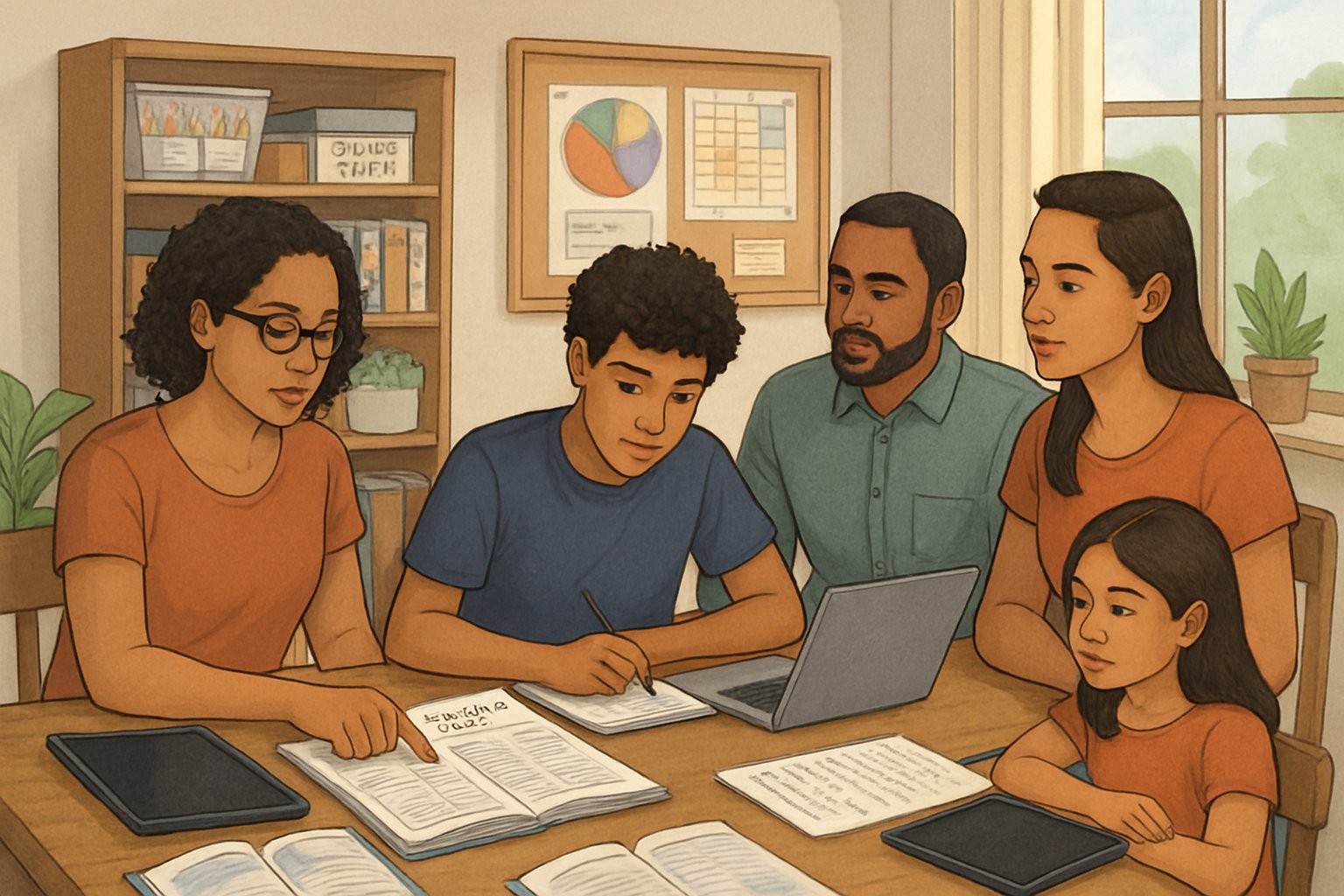
A family of four gathered around a table with educational materials, engaged in learning activities together in a home study area.

Families who homeschool succeed best when they tailor lessons to fit how each child learns. Understanding differences in strengths, challenges, and everyday routines helps shape a homeschool curriculum that encourages growth, enjoyment, and steady progress.

Assessing Individual Strengths and Challenges

Every child learns differently. Parents can start by observing how their children respond to various subjects and teaching methods.

Some may love reading while others understand best through discussion or hands-on activities. Keeping short notes about what engages each child helps identify learning patterns.

Creating a simple table can make patterns easier to see:

Learning Trait Example Sign Possible Support
Visual learner Draws or uses color to study Charts, maps, visuals
Auditory learner Talks out loud to process ideas Read-alouds, discussions
Kinesthetic learner Moves while listening Hands-on projects, experiments

Considering each child’s pace and confidence level is equally important. If a student excels in math but struggles with reading, parents can adjust time spent on each subject and explore varied approaches such as audiobooks or storytelling.

Choosing Between Boxed Curriculum, Unit Studies, and DIY Programs

Parents have several curriculum formats to choose from, and the best option depends on their family’s learning needs and flexibility goals. A boxed curriculum offers structured lessons and materials designed for specific grade levels.

It provides clear direction for families who prefer ready-to-use resources. Unit studies, like those described in 3 Boys and a Dog’s guide on adapting curriculum to learning styles, combine multiple subjects around one theme.

This method works well for children interested in exploring topics more deeply, such as studying ancient Egypt through history, art, and science connections. Families who enjoy full control may prefer DIY programs, where they select resources, books, and online materials that match each child’s needs.

This approach allows maximum flexibility but requires extra planning. Balancing structure with freedom ensures the homeschooling experience fits daily life while supporting every learner’s growth.

Building and Adapting the Homeschool Curriculum

A family working together at a table with books, art supplies, and a laptop in a cozy home learning space.

Families can design flexible learning experiences that match each child’s strengths by combining structured lesson plans, reading strategies, and real-life math applications. Using creative projects and varied materials helps maintain interest while supporting academic growth across subjects.

Customizing Lesson Plans for Academic and Creative Growth

Effective lesson planning balances core academics with opportunities for creative exploration. Parents can start by identifying learning goals and mapping weekly lessons that meet both educational standards and their child’s interests.

Tools like digital planners or printable templates keep lessons organized while allowing for easy updates. A mix of independent study and guided instruction builds confidence.

For instance, a science lesson might include reading, an experiment, and a reflective drawing activity. Creative projects like model building or storytelling deepen understanding of complex ideas.

Families can also adjust pacing to the learner’s progress. If a child masters multiplication early, they might advance to fractions, while another might need longer practice.

Guides such as Creating a Customized Homeschool Curriculum recommend setting measurable goals and revisiting them often to ensure steady growth.

Tip: Keep a simple table to track subjects and progress.

Subject Current Focus Next Step
Science Plant cells Microscope lab
Language Arts Paragraph writing Short story draft

Incorporating Reading Strategies and Audiobooks

Strong reading habits improve comprehension across every subject. Parents can vary reading time with books, short articles, and digital texts.

Using discussion questions or short summaries encourages children to reflect on what they read. Audiobooks are a valuable addition for auditory learners or reluctant readers.

They bring stories and nonfiction topics to life and can be played during car rides or chores. Families exploring ways to align learning with preferences may benefit from tips in How to Create a Homeschool Curriculum That Your Kids Will Love.

Combining silent reading, family read-alouds, and listening activities keeps lessons fresh. Visual learners might enjoy sketching scenes from a story, while others write short responses to characters’ choices.

This variety supports comprehension and keeps reading engaging.

Integrating Math Skills with Real-World Application

Math becomes more meaningful when tied to daily activities. Parents can link lessons to cooking, budgeting, or measuring for home projects.

For example, a baking session reinforces fractions, while planning a small garden introduces geometry and area calculation. Real-world math helps students understand practical uses of numbers.

Families might track expenses for a mock business or graph weekly weather data to practice analysis. According to Creating a Flexible Homeschool Curriculum for Your Family, connecting instruction to family life enhances motivation and retention.

Using hands-on materials like rulers, measuring cups, or digital math games supports different learning styles. Alternating between worksheets and applied tasks ensures children not only memorize facts but also grasp why math matters in everyday life.

Enhancing Learning Through Activities and Community Connections

A parent and two children doing a learning activity together at a table with educational materials, with a laptop showing a video call and a bulletin board displaying schedules and community event flyers in the background.

Hands-on learning, real-world experiences, and community engagement help students retain knowledge and develop practical skills. These approaches allow homeschoolers to connect lessons with daily life, making education more meaningful and balanced.

Project-Based Learning and Experiential Approaches

Project-based learning gives students opportunities to explore meaningful questions and create tangible results. It encourages curiosity and problem-solving.

For instance, a student studying local history might design a small exhibit using photographs, maps, and interviews from longtime residents. In experiential learning, students grasp concepts through active participation.

They might build a birdhouse to understand geometry or plan a mock business to practice writing, math, and communication. This form of learning blends academic knowledge with creativity, helping students see direct links between effort and outcome.

Homeschooling parents can track progress through project journals or video reports. These reflections help learners assess what they achieved and where they can improve.

By combining creativity with accountability, projects make learning both personal and practical.

Using Field Trips, Nature Walks, Museums, and Farms

Field trips and nature walks give homeschoolers the chance to apply what they learn in the real world. Trips to science centers, museums and community programs encourage critical thinking while helping students connect abstract concepts to everyday life.

Nature walks are simple but effective. Collecting leaves, identifying wildlife, or sketching landscapes can support studies in ecology, art, and writing.

Farms also serve as valuable learning environments where students see how ecosystems, food production, and sustainability work together. Parents can keep a short observation log or photo journal after each visit.

Recording sights, sounds, and questions turns each trip into a reflective learning experience, reinforcing curiosity and active engagement.

Teaching Life Skills and Budgeting

Homeschooling provides an ideal setting to teach life skills such as cooking, organization, and time management. Integrating budgeting into math lessons helps students understand the value of money and responsible spending.

A practical exercise could include planning a meal within a budget, comparing store prices, and calculating savings. Older students might manage a mock household budget, tracking income, expenses, and monthly goals.

Skill Example Activity Key Takeaway
Budgeting Plan a weekly grocery list under $50 Prioritize needs over wants
Cooking Prepare a balanced meal Follow directions and measure accurately
Scheduling Create a daily study plan Build time-management habits

These lessons encourage independence and connect academic subjects with real decision-making.

Leveraging Community Resources and Support Networks

Community resources offer homeschoolers enrichment and social opportunities beyond the home. Libraries, local art centers, and community colleges often host free classes or educational events tailored for various age groups.

Many families join homeschool co-ops, allowing students to learn collaboratively while parents share teaching responsibilities. Organizations like youth clubs or community gardens promote teamwork and civic engagement.

Volunteer projects give children the chance to apply academic skills to real-life situations, from reading aloud at a library event to helping organize a food drive. Online groups can help families find local resources and educational support.

These networks connect parents with mentors, co-op opportunities, and advice about incorporating community activities into their curriculum.

Filed Under: Uncategorized

Budget-Friendly Homeschool Curriculums That Don’t Sacrifice Quality: Top Options and Smart Strategies

December 24, 2025 by Valerie Leave a Comment

Best Budget-Friendly Homeschool Curriculum Choices

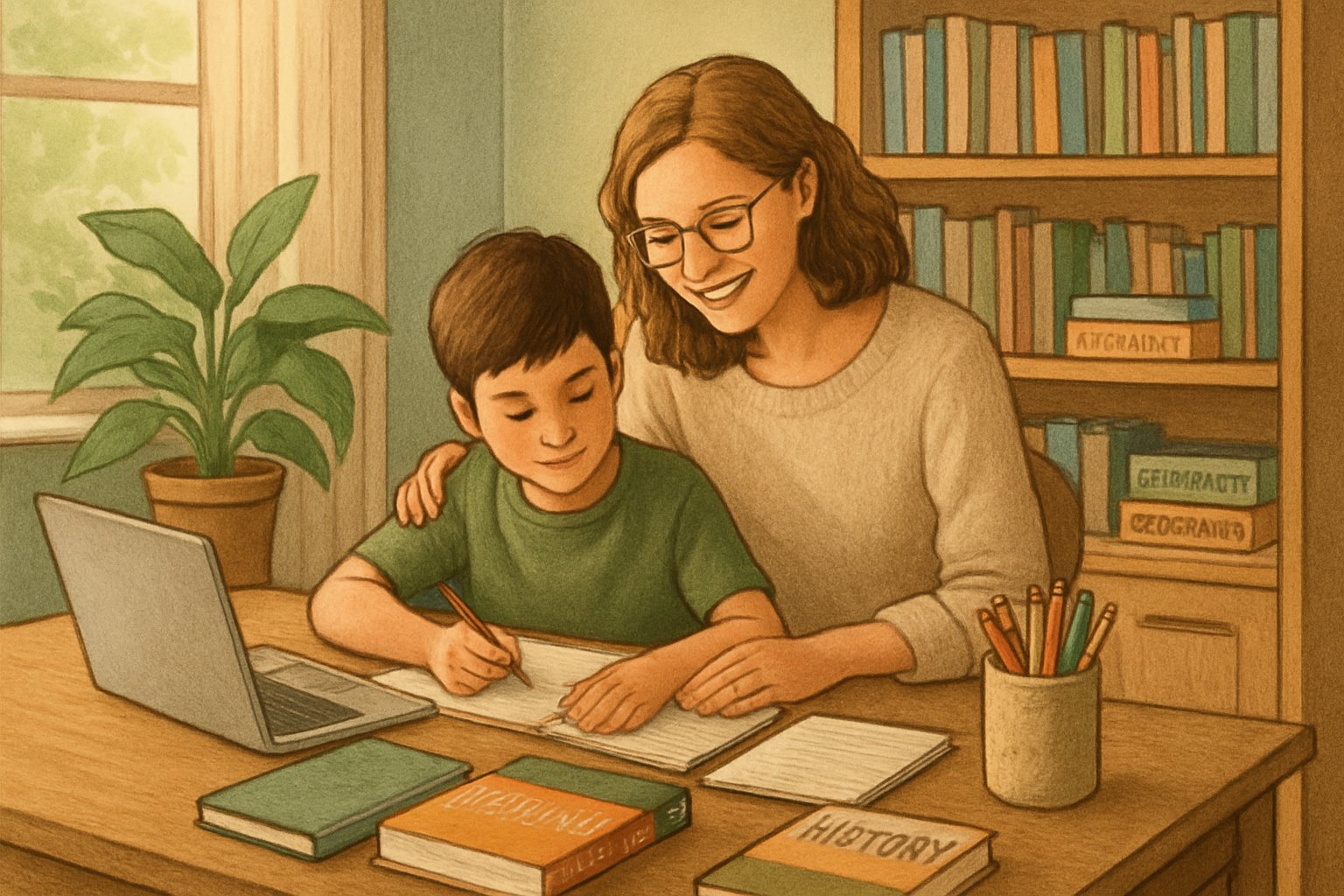
A parent and child studying together at a desk surrounded by books and learning materials in a bright, organized homeschool room.

Families looking for affordable homeschool curriculum options can balance cost with quality by selecting programs that offer full subject coverage, clear structure, and engaging materials. Many of these curriculums offer free digital lessons, while others charge modest fees for access to complete, ready-to-use programs.

Free High-Quality Homeschool Programs

Completely free options help families save money without giving up academic value. Easy Peasy All-in-One Homeschool is a popular choice that covers preschool through high school with lessons in reading, math, science, and history.

Its Christian foundation appeals to many parents seeking a values-based education, and everything is available online at no cost. Khan Academy offers video-based lessons for all grade levels in math, science, and more.

It adjusts to each student’s pace, making it one of the most flexible free resources available. Students can use it alongside other materials or as a full program.

Families wanting interactive digital content may explore Discovery K12, which offers daily lessons, quizzes, and progress tracking without a subscription fee. Programs like CK-12 Foundation provide free online textbooks and exercises for core academic subjects, giving families the tools to build a personalized and cost-effective education plan.

Affordable All-In-One Curriculum Options

Low-cost paid curriculums can make homeschooling easier to manage while staying within budget. Time4Learning is an affordable all-in-one online platform that includes automated grading, interactive lessons, and reports for parents tracking progress.

Its subscriptions cost less than most private school materials, and it covers multiple grade levels. Families who prefer a traditional format may like LIFEPAC, a structured Christian homeschool curriculum made up of print workbooks.

These self-paced booklets make it easy for students to complete lessons independently. Another option is Compass Classroom, which combines video courses with teacher-led instruction in history, Latin, writing, and Bible studies.

These purchases are budget-friendly compared to most standard boxed sets. Each program provides lesson plans and progress tracking tools, helping parents save time while keeping learning consistent.

Charlotte Mason and Literature-Based Approaches

For families who value rich reading and hands-on learning, the Charlotte Mason approach offers a gentle, literature-focused education. Programs like Ambleside Online provide a free homeschool curriculum built around “living books,” narration, and nature study.

Students learn from classic literature rather than textbooks, encouraging deeper understanding and attention. Many parents use Ambleside Online’s detailed book lists and schedules as a full program.

It’s supported by volunteer educators and offers flexibility to adapt lessons to each child’s pace. Some affordable homeschool curriculum choices inspired by Mason’s ideas include The Good and the Beautiful and certain Compass Classroom materials.

These blend moral lessons with reading, art, and history. By combining classic literature and real-world experiences, these approaches help children develop strong thinking and communication skills on a modest budget.

Practical Tips for Homeschooling on a Budget

A parent and child studying together at a table surrounded by books and learning materials in a bright, organized homeschooling room.

Families can homeschool on a budget by focusing on what truly adds value to learning, using community connections, and finding reliable free or affordable resources. With creativity and planning, parents can reduce expenses without giving up a solid education for their children.

Prioritizing Essential Curriculum and Supplies

When practicing cheap homeschooling, it helps to define must-haves versus nice-to-haves. Parents should start with the basics—reading, writing, math, and science.

Once the core is covered, enrichment subjects like art or music can be added as funds allow. A simple approach is to make a list of needed materials, then compare free and low-cost options.

Families can use free digital lessons from sites like Easy Peasy All-in-One Homeschool or check local libraries for textbooks and educational kits. Buying supplies during back-to-school sales or secondhand can cut costs.

Keeping track of expenses in a monthly table can also help:

Category Spending Limit Notes
Curriculum $0–$50 Use free or discounted programs
Supplies Under $25 Reuse and buy in bulk
Activities $10–$20 Seek library or park events

This focus ensures families meet learning goals without financial strain.

Leveraging Community Resources and Co-Ops

Homeschooling families often save the most money when they connect with others. Local libraries, museums, and community centers offer free or discounted educational events throughout the year.

Libraries in particular host reading programs, workshops, and student clubs that support core learning areas. Co-ops are another powerful tool for affordable homeschooling.

These groups allow parents to share teaching duties, materials, and field trip costs. In many cases, co-op classes replace costly online programs or private tutors.

Families can find these groups on Facebook or websites like The Organized Homeschooler. By sharing time, space, and knowledge, parents make homeschooling social, well-rounded, and more affordable for everyone involved.

Making the Most of Free and Low-Cost Tools

The internet makes it easier than ever to homeschool on a tight budget. Websites such as Khan Academy and CK-12 offer structured lessons with videos, quizzes, and interactive exercises.

Many families also use YouTube channels for science experiments, art classes, or language lessons. Printable worksheets from Education.com and Teachers Pay Teachers give students extra practice without subscription fees.

For families looking to round out their curriculum, apps like Duolingo, XtraMath, and GoNoodle add language, math, and physical education for free. Combining these digital tools with real-world experiences—like nature walks, cooking, or simple at-home experiments—creates an engaging, low-cost homeschool routine.

Filed Under: Uncategorized

Integrating Multiple Curriculums: A Blended Approach to Homeschooling Success

December 24, 2025 by Valerie Leave a Comment

Key Elements of a Blended Approach to Homeschooling

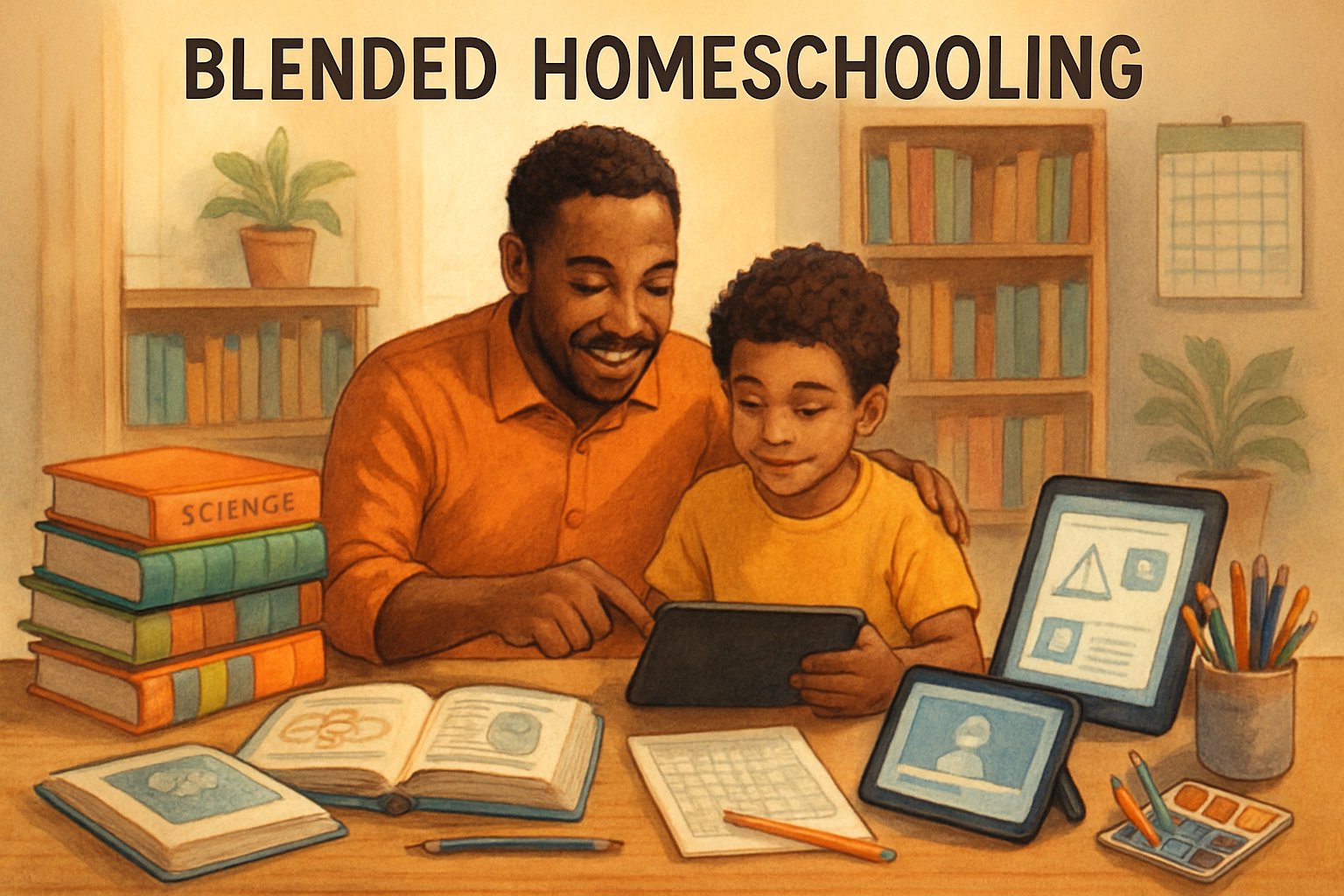
A parent and child learning together at a table with books, tablets, and educational materials in a cozy home setting.

A blended homeschooling method uses both traditional materials and digital learning tools to create a balanced, flexible routine. It draws on multiple curriculums so children can learn through reading, practice, and interactive activities that support diverse learning styles.

Benefits of Mixing Multiple Curriculums

Using more than one curriculum helps parents tailor lessons to a child’s strengths and needs. It also encourages critical thinking, since students compare ideas and explore topics from different perspectives.

For example, a family might pair a literature-based history program with a hands-on science curriculum to reinforce both research and experimentation. Parents who mix curriculums often find it easier to keep learning fresh.

Switching resources when a student loses focus can rebuild motivation without disrupting overall progress. According to Discover K8 Learning, this flexibility lets children move at their own pace while still benefiting from expert guidance through workbooks, videos, and teacher support.

Advantages of Combining Curriculums:

BenefitDescription
FlexibilityAdjust lessons to fit a student’s pace and interests
VarietyAvoid monotony with both digital and print materials
PersonalizationChoose the best resource for each subject

Blended Learning Models for Homeschool

Blended homeschooling usually combines offline and online experiences. Some families use a rotation model, where children alternate between workbook exercises and online lessons.

Others use an enriched virtual model, completing most work at home but checking in with live teachers through online classes. The How Do I Homeschool site explains that blended learning connects traditional instruction with digital activities for a well-rounded approach.

This structure builds both independence and accountability. Parents act as facilitators but rely on digital platforms for expert input and tracking progress.

Blended models can also include co-op classes, field trips, and small-group discussions. These options create social interaction and support independent learning habits.

By balancing online structure with real-world exploration, students gain both technical and interpersonal skills.

Choosing the Right Combination for Your Family

Choosing the right mix starts with assessing a child’s learning style and family routine. Visual learners might respond best to online lessons and videos, while hands-on learners may need more printed workbooks or science kits.

Parents can test short units from different curriculums to see what fits best before committing long-term. Common Sense Press suggests combining digital learning tools with real-world projects to strengthen understanding.

For example, students may use a math app for practice and then apply those skills in cooking or budgeting activities. Families should also consider cost, screen time balance, and parent involvement.

Keeping lessons short, consistent, and goal-focused helps maintain structure without losing flexibility.

Strategies for Combining Multiple Subjects and Ages

Teaching multiple ages and subjects at once works best when lessons connect across disciplines and adapt to varying skill levels. Using integrated plans, flexible structures, and creative projects helps reduce lesson planning time while encouraging students to think critically and explore concepts in meaningful ways.

Multi-Subject Integration Techniques

Combining subjects helps students see how ideas link together. One practical method is thematic learning, where a single topic stretches across lessons.

For example, a family studying ecosystems can connect science with math by measuring rainfall and with writing by creating observation journals. This approach promotes critical thinking as students draw conclusions from data and express findings clearly.

Project-based learning also supports integration. A renewable energy project can include science (types of energy), history (technological progress), and writing (research reports).

Tools like digital planners make this coordination easier. Resources from The Homeschool Chick recommend flexible scheduling and community-based projects to help learning come alive.

SubjectExample ActivityConnected Skill
Math + ScienceTrack plant growthData analysis
Social Studies + EnglishWrite journal entries from a historical figure’s viewPerspective taking
Art + GeographyCreate a map muralSpatial reasoning

Blending Curriculums for Different Learning Levels

Families often teach children of differing grades together. Choosing flexible or modular curriculums works well because materials can scale in difficulty.

A younger child may focus on basic facts, while an older one expands on research or analysis. Family-style learning, described by The Homeschool Mom, lets everyone share core content, but assignments differ in depth.

Using a shared theme like “innovation” can connect reading, science experiments, and art projects at varied levels. Grouping lessons this way strengthens understanding without repeating work.

Parents can create tiered tasks, such as having younger children build a model while older students calculate dimensions or research real-world applications. This structure saves time and keeps all ages engaged in cooperative problem-solving.

Customizing Learning Experiences for Engagement

Customization keeps multi-age learning interesting and effective. Students learn best when projects match their interests and challenge them at their current ability.

Parents can use flexible tools like visual organizers, educational apps, or adaptive learning platforms to personalize instruction.

Engagement grows when lessons involve hands-on exploration. For instance, during a tron-inspired science activity, students might design simple circuits or model how electricity flows.

Interactive projects like these spark curiosity and reinforce academic skills.

Feedback plays a large role. Short check-ins allow instructors to adjust the pace and provide targeted support.

Using a mix of quiet reading time, group problem-solving, and creative expression ensures that learners stay motivated. This approach also strengthens critical thinking and independence.

Filed Under: Uncategorized

What to Look for in a High School Homeschool Curriculum: Complete Guide

December 24, 2025 by Valerie Leave a Comment

Core Considerations When Choosing a High School Homeschool Curriculum

Families choosing a high school homeschool curriculum often weigh the quality of instruction, state compliance, and preparation for higher education or work. Strong programs pair solid academic foundations with clear pathways to graduation and accredited opportunities for college credit.

Accreditation and Academic Standards

Accreditation confirms that a homeschool program meets set academic benchmarks. Parents should look for approval from regional or national agencies such as Cognia or the Middle States Association of Colleges and Schools.

These organizations review courses to ensure they meet recognized educational standards. An accredited homeschool program can help students apply to colleges, scholarships, or the military more easily.

While not all homeschooling families choose accredited options, accredited providers—such as those listed in the 10 BEST Accredited Homeschool Curriculum for High School—may give families peace of mind that coursework is equivalent to traditional schools. Some families prefer unaccredited curriculum for flexibility, but they should confirm that it still supports their child’s academic goals.

A well-designed high school homeschool curriculum should include graded assessments, clear transcripts, and teacher or parent evaluation guides. Programs like Study.com or Power Homeschool often provide these features along with online tools that track progress toward graduation requirements.

Alignment With State Homeschool Laws

Every state has unique homeschool regulations. Some require reporting attendance, keeping portfolios, or following set subject lists.

Parents should confirm their curriculum fits the local homeschool laws and credit expectations. This reduces complications if their teen transfers to public school or applies to college later.

Many families find checklists or state guides on websites like How to Choose the Best Homeschool Curriculum helpful for organizing records. It’s wise to store course descriptions, graded work, and yearly goals for verification.

A compliant program often includes these subjects:

Required CoreRecommended Add-Ons
English / Language ArtsFine Arts
Math (Algebra, Geometry, etc.)Technology
Science with labsPhysical Education
History or Social StudiesForeign Language

Following local rules ensures a smoother educational journey and protects the credibility of homeschool transcripts.

Support for College and Career Readiness

A strong high school homeschool curriculum helps students move confidently into college or a career. College-bound teens benefit from courses with college credit or dual enrollment options at nearby community colleges or accredited online institutions.

Flexible homeschool programs, such as those mentioned in the Ultimate Guide to High School Homeschool Curriculum Options, often include honors or Advanced Placement (AP) courses that meet university expectations. Others focus on life skills and career training, supporting students who plan to enter the workforce after graduation.

When evaluating materials, families can look for these features:

  • detailed syllabi and learning objectives
  • transcript or GPA calculation tools
  • SAT/ACT preparation resources
  • career exploration or elective modules

Key Features and Curriculum Options to Evaluate

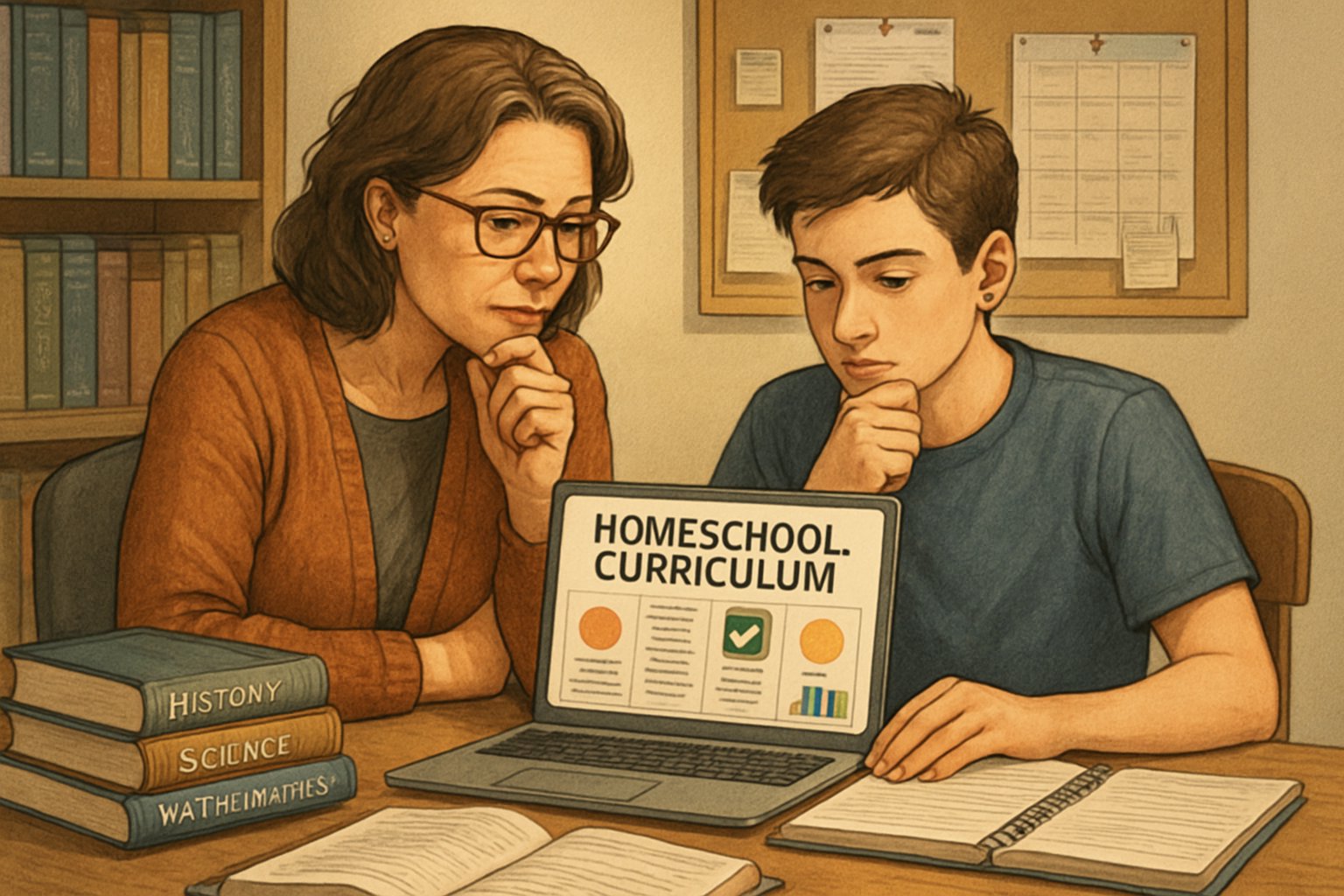
A parent and high school student sitting at a desk surrounded by books, a laptop, and charts, reviewing homeschool curriculum options together.

Families choosing a high school homeschool program often compare academic depth, affordability, and teaching style. The best programs give teens the chance to learn at their own pace, connect online or in groups, and pursue faith-based or classical education suited to their goals.

Personalized Learning and Learning Styles

A strong homeschool curriculum supports personalized learning and fits a student’s learning style. Some teens succeed with independent reading and written work, while others benefit from visual content or active projects.

Programs such as Masterbooks and BJU Press Homeschool offer open-and-go materials that parents can adapt by adjusting lesson pace or adding hands-on tasks. Many families mix different formats to build an eclectic plan.

For instance, a child who struggles with math may use a video-based course, while another subject may rely on textbook reading or science labs.

Tips for evaluating learning fit:

  • Identify how your teen learns best—visual, auditory, or kinesthetic.
  • Choose materials that are flexible so lessons can be shortened or expanded.
  • Look for built-in assessments that show when a student is ready to move ahead.

Online Courses and Interactive Components

Online homeschool curriculum can make learning flexible and engaging through videos, quizzes, and self-paced lessons. Programs like Monarch and Power Homeschool (Acellus) use interactive exercises that adjust difficulty automatically.

Courses often include video lessons, multimedia labs, and optional live classes where teachers answer questions in real time. Families should evaluate how much teacher support each program offers.

Some options provide automated grading, while others include email or chat access to tutors. Students who prefer structure benefit from scheduled lessons, but independent learners may enjoy an open schedule.

FeatureBenefit
Video lecturesImprove focus for visual learners
Quizzes and feedbackCheck understanding quickly
Discussion boardsEncourage student connection

Programs such as Schoolhouse Teachers also include downloadable PDF workbooks that combine digital and offline learning.

Christian and Classical Curriculum Choices

Many families prefer a Christian homeschool curriculum designed with a biblical worldview. Popular programs include Abeka, BJU Press Homeschool, and Apologia, which blend academic rigor with faith-based values.

These options often use video lessons and printed textbooks for core subjects like math, English, and Bible studies. Others look for a classical education model that emphasizes logic, language, and history.

Providers such as Compass Classroom and Memoria Press offer this emphasis through structured reading, writing, and discussion. Parents seeking both faith and classical structure may explore Classical Conversations, which mixes community learning with home study.

Comparing programs by teaching philosophy helps parents decide whether their teen learns best through traditional, online, or discussion-based instruction. Faith-based and classical programs can also combine well for a balanced academic path.

Flexible Scheduling and Homeschool Co-ops

Flexible scheduling allows students to work around part-time jobs, family trips, or extracurricular activities. Programs like Ambleside Online and Schoolhouse Teachers let families choose when to start or complete units.

Others, like Monarch, use monthly subscriptions that give full course access year-round. Families who want more social learning can join a homeschool co-op or local community class.

These settings provide group labs, debates, and field trips while parents share teaching duties. Programs such as Classical Conversations combine structured coursework with weekly meetups, giving teens peer interaction and accountability.

It helps to plan a weekly rhythm that mixes solo lessons, online sessions, and group activities. Teenagers tend to stay motivated when they balance individual study time with shared learning opportunities.

Affordability, Resources, and Additional Options

A family working together at a table with educational materials and organized shelves in a bright room.

Families balancing cost, flexibility, and quality often compare several homeschool curriculum options before deciding. Affordable pricing, strong support tools, and add-on opportunities like electives or enrichment courses play a major role in shaping a complete high school plan.

Comparing Costs and Free Homeschool Curriculum

Price differences between homeschool programs can be wide. Some programs, such as BJU Press Homeschool, charge around $1,000 per year but include grading and video lessons.

Others like Schoolhouse Teachers offer unlimited access for one flat family fee of about $299 annually, making it a cost-effective choice for families with multiple children according to How Do I Homeschool. The rise of free homeschool curriculum options has further expanded access.

Easy Peasy All-in-One and Ambleside Online both provide full course materials at no cost, covering core subjects and electives. Free programs can serve as a primary option or fill learning gaps when used alongside paid courses.

Table: Cost Overview

TypeExample ProgramEstimated PriceFormat
PremiumBJU Press~$1,099/yearVideo + Books
Mid-rangePower Homeschool$25/monthOnline
BudgetSchoolhouse Teachers$299/year (all kids)Online
FreeAmbleside Online, Easy Peasy$0Online Resources

Popular Publishers and Program Reviews

Families often look for trusted names that combine structure with independence. BJU Press Homeschool and Monarch by Alpha Omega both offer Christian-based learning with online video lessons.

Power Homeschool, the parent version of Acellus, appeals to secular families by offering adaptive technology and interactive grading. For classical or literature-based learning, publishers like Compass Classroom mix video lectures with printed materials.

Reviews from the Homeschool Curriculum 101 community note its engaging teaching style for high school students. Comparisons across these brands often come down to how much teacher involvement parents prefer.

Families also weigh accreditation, grading support, and subject variety. Those with busy schedules may lean toward pre-recorded video courses, while others prefer programs that combine flexibility with live feedback.

Supplemental Materials and Enrichment Opportunities

Even strong curricula benefit from add-ons. Many families build enrichment through electives, study projects, or outside extracurricular work.

Schoolhouse Teachers includes dozens of electives such as entrepreneurship and photography. Compass Classroom adds creative writing and filmmaking.

Ambleside Online encourages literature studies paired with nature journaling. Monarch integrates customizable electives like health or coding.

Sites like Year Round Homeschooling list free printable materials that support art, language, and science labs.

When students need more challenge, Power Homeschool or independent dual-enrollment programs can extend credits beyond high school requirements. Access to varied materials helps teens explore career interests and develop independence.

Filed Under: Uncategorized

Curriculum Reviews: Spotlight on Charlotte Mason-Based Programs for Homeschooling Families

December 24, 2025 by Valerie Leave a Comment

Charlotte Mason-Based Curriculum Reviews

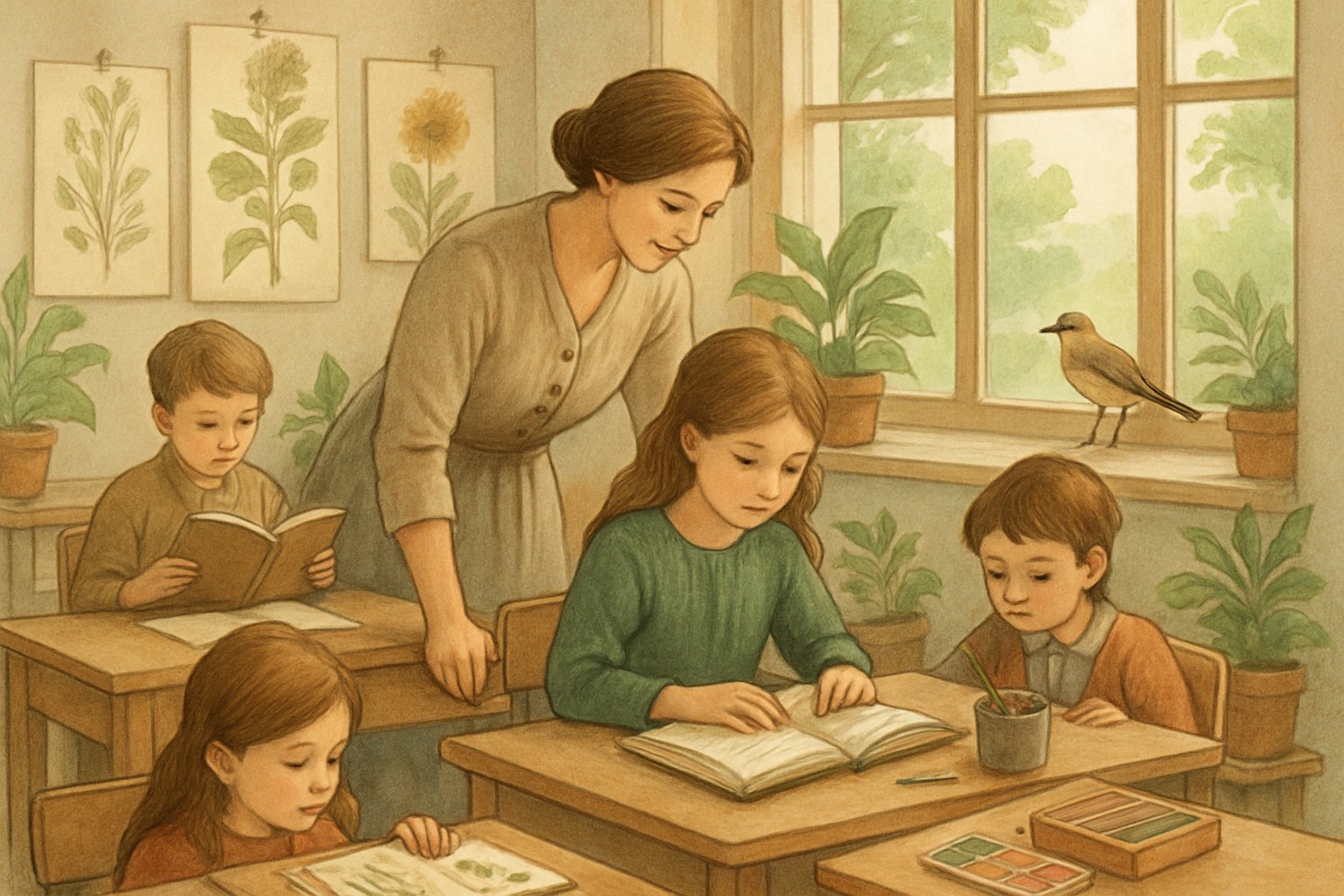
A teacher guiding children in a bright study area with books and plants, emphasizing nature and learning.

Charlotte Mason-inspired programs blend literature, habit training, and nature study into a balanced homeschool experience.

Families can choose between structured online plans or flexible print-based materials designed to suit different learning styles and family rhythms.

Ambleside Online Overview

Ambleside Online is a free Charlotte Mason homeschool curriculum that offers complete book lists, subject schedules, and support for parents.

The program emphasizes living books and avoids textbooks, helping students connect personally with ideas.

Each grade includes a carefully planned reading schedule covering history, literature, geography, and science.

Parents can download resources directly from the official Ambleside Online site, which also provides guidance for habit training and narration.

Families appreciate Ambleside Online’s strong sense of community.

A volunteer team curates materials and updates book suggestions to match Charlotte Mason’s ideals.

The approach works well for families who want a rich, literature-based education without spending much on materials.

Simply Charlotte Mason Features

The Simply Charlotte Mason program blends flexibility with structure.

It offers both physical and online resources, letting parents build a plan that fits each child’s pace.

Materials include a teacher’s guide, scheduler, and downloadable book lists available through the Simply Charlotte Mason curriculum review.

This program revolves around living books rather than textbooks.

Families read rich stories and biographies to capture students’ attention and encourage reasoning.

Subjects range from art and Bible study to language arts and science.

Parents like its organization by family groupings rather than strict grades.

This setup allows multiple children to learn together.

The clear structure and practical tools make it ideal for new homeschoolers seeking simple guidance for a Charlotte Mason homeschool curriculum.

A Gentle Feast Breakdown

A Gentle Feast offers a full schedule with book lists, lesson plans, and optional video support for parents.

It organizes subjects by four-year history cycles that tie literature, geography, and science together.

The content is accessible online and includes regular support calls as described in the Charlotte Mason-inspired programs comparison.

Parents appreciate how A Gentle Feast encourages peaceful, consistent routines.

The program also provides a printable “Morning Time” binder with poetry, scripture, and classical music selections.

Its format helps parents follow the Charlotte Mason philosophy without planning everything themselves.

The balance between modern resources and traditional reading lists makes it appealing for today’s homeschool families.

Living Books Curriculum Highlights

Living Books Curriculum focuses on reading high-quality literature to nurture thinking and character development.

Instead of relying on fact-driven textbooks, it uses stories written by passionate authors who bring subjects to life.

Subjects such as history, science, and art weave together naturally.

The program’s structure promotes narration, copywork, and observation during daily lessons.

According to reviews compiled on My Homeschool With a View, the method aims to grow curiosity and reflection through engaging reading.

Living Books Curriculum fits families who prefer printed guides and hands-on exploration.

It bridges Charlotte Mason ideals with a practical layout that supports long-term learning at home.

Key Elements of Charlotte Mason Method

A teacher guiding children in a bright classroom filled with books, plants, and nature materials, illustrating a nurturing and nature-based learning environment.

Children learn best through rich experiences, meaningful materials, and consistent habits that nurture curiosity and discipline.

This approach combines literature, observation, and artistic development to strengthen both the mind and character.

Living Books Approach

Charlotte Mason emphasized the use of living books—well-written works by authors passionate about their subjects.

These books replace dull textbooks with stories and ideas that spark interest and imagination.

A living book encourages a child to think deeply rather than memorize facts.

Programs that follow this model, such as the Simply Charlotte Mason curriculum, rely on living books for most subjects.

Families read classics like The Secret Garden or Little House on the Prairie alongside modern literary works.

This approach makes learning personal.

Children connect emotionally with characters and events, which helps them better understand history, science, and ethics.

Parents often create lesson plans around these books rather than using worksheets or quizzes.

A short daily reading followed by open discussion or narration builds memory and reasoning.

Through steady exposure, students develop a habit of thoughtful reading and a lifelong love for good literature.

Nature Study Practices

Nature study forms a central part of a Mason-style education.

Instead of only learning from diagrams, students explore the outdoors to observe plants, weather, and wildlife firsthand.

Mason believed that such study trains both attention and awe.

Many families use seasonal journals or guides such as Pocketful of Pinecones to support this practice.

These experiences develop patience, observation skills, and a natural curiosity about the world.

Activities may include:

  • Sketching local leaves or insects
  • Recording temperature and sky changes
  • Identifying birds and their calls

Regular outdoor learning supports both science and art.

Time spent in nature also encourages quiet reflection and helps children see order and beauty in everyday surroundings.

Narration and Copywork Techniques

Narration replaces formal testing in the Charlotte Mason method.

After reading or listening to a passage, the student retells it in his or her own words.

This process strengthens comprehension, sequencing, and memory.

Young learners begin with oral narration.

As writing skills grow, they progress to written narrations.

The goal is not perfection but accuracy and attentiveness to meaning.

Copywork provides handwriting practice while reinforcing grammar and vocabulary.

Students copy short selections from literature, Scripture, or poetry in neat handwriting.

Together, narration and copywork teach children to write clearly and think critically.

These daily habits blend language development with moral reflection as students absorb the ideas of excellent authors.

Art and Music Appreciation

Charlotte Mason valued exposure to great art and music as essential to a complete education.

Through picture study, students quietly observe a single artwork over several minutes, then describe what they saw.

This exercise improves focus and visual memory.

Similarly, music appreciation lessons introduce one composer at a time.

Families might listen to short pieces weekly, discussing the style and story behind the composition.

Resources like Introduction to a Charlotte Mason Education outline how to weave these subjects into daily life.

A simple table may guide rotation:

Subject Frequency Example Focus
Picture Study Weekly Works by Monet or Vermeer
Composer Study Weekly Bach or Tchaikovsky

These lessons cultivate taste, patience, and attention.

By engaging with art and music regularly, children learn to notice beauty and respect creativity in all forms.

Benefits and Impact on Homeschooling Families

A mother and two children learning together at a table with nature materials and books in a bright homeschool room.

Charlotte Mason homeschooling encourages families to build consistent learning habits while nurturing the whole child—mind, body, and spirit.

Many parents choose this approach because it supports both academic growth and moral formation within a warm home environment.

Character Development and Good Habits

Charlotte Mason believed education should form character as much as intellect.

Her method, presented in The Original Homeschooling Series, emphasizes forming good habits early so children develop self-discipline and responsibility.

Daily routines, respectful behavior, and attention during lessons all build lasting habits that shape both learning and personal growth.

Families find that habit training creates harmony at home.

When children learn to focus, speak kindly, and take care of their materials, daily homeschool life becomes smoother.

Mason called these “small actions with large results.”

Some modern programs, like the Charlotte Mason College, continue this focus by teaching parents to guide moral and spiritual development alongside academics.

Parents act as mentors rather than lecturers, helping students choose right actions through gentle consistency.

The result is an education that values integrity, curiosity, and perseverance as much as grades or test scores.

Holistic Home Education Experience

Charlotte Mason methods give families a holistic home education experience where learning connects across subjects and daily life. Students explore nature, art, music, and literature as part of their weekly rhythm.

This creates a home atmosphere filled with culture and curiosity. Homeschooling families appreciate this balance of structure and freedom.

Programs like Compass Classroom blend classical and Charlotte Mason elements. They offer video lessons that support both parents and children without overwhelming them.

Many parents note that living books and outdoor experiences encourage real-world understanding. Instead of memorizing isolated facts, children narrate what they read and experience, strengthening comprehension and communication.

Filed Under: Uncategorized

Using Unit Studies as a Homeschool Curriculum: Step-by-Step Guide

December 24, 2025 by Valerie Leave a Comment

What Are Unit Studies in Homeschooling?

A parent and child studying together at a table with books, maps, and educational materials in a bright room filled with learning resources.

Unit studies help students explore one central topic through many academic subjects, creating stronger connections and deeper understanding. This flexible homeschooling method blends reading, writing, math, science, and art into a single theme, allowing children to learn in an integrated, engaging way.

Defining Unit Studies and Thematic Units

A unit study (sometimes called a thematic unit) focuses on one topic across multiple subjects instead of using separate textbooks for each. For example, a lesson on the solar system may include reading astronomy books, calculating planetary distances, and writing a report about space exploration.

This approach encourages integrated learning, helping children see how information fits together rather than treating each subject as an island. A homeschool unit study can cover a short-term theme like “seasons” or a yearlong topic like “world history.”

Unit studies are often interest-based, making them adaptable to each student’s curiosity and pace. Whether parents create their own or use a preplanned unit study curriculum, this homeschooling method supports creativity and critical thinking.

How Unit Studies Integrate Multiple Subjects

Unit studies naturally connect core subjects through a shared focus. For instance, a theme on oceans might include:

Subject Example Activity
Science Explore marine ecosystems
Math Measure and graph ocean depths
Language Arts Write essays on sea animals
Art Paint coral reefs
Geography Label world oceans on a map

By blending disciplines, students learn how different fields relate to one another. According to ABCmouse’s explanation of homeschool unit studies, this method supports long-term understanding because it links learning with real-world contexts.

This structure benefits both independent learners and families teaching children of different ages. Each student can explore the same topic at their own level while staying connected through shared discussions and projects.

Reasons to Choose Unit Studies as a Homeschool Curriculum

Many families choose the unit study approach for its flexibility and practical learning style. It allows them to adapt lessons to daily life, field trips, or seasonal interests while still meeting academic goals.

A homeschool unit study curriculum supports hands-on exploration and fosters a sense of curiosity by turning everyday experiences into educational moments. Students often retain information better because they actively engage with the material rather than just memorizing facts.

Unit studies also simplify planning for parents. Rather than juggling multiple books and schedules, one theme covers everything from science to art.

This approach creates a more connected homeschool environment and keeps learning both purposeful and enjoyable.

How to Get Started with Unit Studies

A parent and child working together at a table with books, maps, and science tools in a bright homeschool classroom.

Families can begin homeschooling with unit studies by picking subjects that match their children’s interests, gathering useful resources, and creating a learning plan that encourages curiosity. By mixing reading, creative projects, and hands-on experiences, parents can make lessons both structured and flexible.

Selecting Topics and Setting Learning Goals

A successful unit study starts with choosing a meaningful topic. Parents can pick themes connected to their children’s curiosity—such as weather, space, animals, or history.

Following a child’s interests helps them stay motivated, as noted in Homeschool Unboxed’s guide to planning a unit study.

When setting goals, focus on what each child should understand or be able to do by the end of the study. Goals can include identifying key facts, applying a concept, or completing a project.

A unit study planner can help define objectives for reading, writing, science, and art. Short-term and long-term goals make it easier to track progress.

For example, in a plants and gardening unit, short-term goals may include labeling plant parts, while long-term goals might involve growing herbs and recording observations.

Gathering Books, Resources, and Living Books

Once a topic is chosen, families can collect quality materials to bring the subject to life. Using living books—narrative-style texts that spark imagination—creates stronger connections to the material.

Resources such as libraries, online archives, and websites like Homeschool Think Tank offer guidance on how reading choices fit into a unit study. Parents can combine fiction, nonfiction, and reference books with multimedia tools like documentaries and virtual tours.

For example:

Resource Type Examples
Books Classic stories, biographies, atlases
Online materials Interactive websites, maps, videos
Printables Worksheets, notebooking pages, templates

Using a blend of print and digital materials supports different learning styles—visual learners benefit from charts and videos, while auditory learners absorb information from audiobooks and podcasts.

Integrating Hands-On Activities and Arts and Crafts

Adding hands-on activities turns lessons into experiences. Building models, cooking, gardening, or completing simple science experiments makes concepts easier to understand.

According to Seasonal Homeschooling, these projects help children connect subjects naturally and remember them longer.

Arts and crafts also deepen understanding. Painting, clay modeling, and collage work allow children to express what they’ve learned creatively.

For instance, during a weather unit, they might build a rain gauge or paint storm clouds. Parents can keep materials organized in labeled bins for quick setup.

Quick, low-mess options like paper crafts or coloring pages are also useful for younger learners or busy days.

Scheduling and Organizing Your Unit Study

Once materials are ready, planning the schedule helps maintain balance. Some families use a unit study planner to outline subjects and timelines.

Others prefer flexible weekly goals. As explained in Blessed Homeschool’s tips for creating a unit study, intentional scheduling gives structure while allowing exploration.

Families can create a simple chart showing daily focus areas:

Day Focus Example Activity
Monday Reading Biography or storybook
Tuesday Science Simple experiment
Wednesday Writing Journal entry
Thursday Art Craft or project
Friday Review Discussion or presentation

A consistent but flexible routine ensures activities stay on track while leaving room for spontaneous learning moments. Tracking progress with notes or student portfolios helps families evaluate what worked best for future studies.

Making Unit Studies Engaging and Effective

A family gathered around a table with books, maps, and art supplies, engaged in a homeschool learning activity.

Engaging unit studies work best when learning feels connected to real life, involves multiple senses, and adapts to different ages and abilities. Families can make lessons stick by mixing hands-on learning, creative assessments, and practical experiences outside the home.

Incorporating Field Trips and Real-World Experiences

A well-planned field trip turns a topic into a meaningful adventure. Visiting museums, farms, or local businesses helps students see how lessons apply to the real world.

For example, a homeschool science unit on ecosystems comes alive with a walk through a nature preserve. Parents can schedule short, focused trips that match the current theme.

A weather unit could include a visit to a meteorology center, while a history study might feature a reenactment site. Even simple outings—like stargazing for astronomy—spark curiosity and long-term memory.

For families who prefer learning from home, virtual tours offer great options. The Homeschool Unboxed guide suggests online museum tours or local nature walks as affordable alternatives to larger trips.

These experiences build excitement and help connect different subject areas naturally.

Using Lapbooks and Creative Assessment Methods

Lapbooks turn learning into a visual story students can hold and review anytime. Each flap, pocket, and mini-book captures facts, vocabulary, or artwork related to the unit.

Younger children enjoy decorating their lapbooks, while older students can use them to organize research from free unit studies. Creative assessments replace formal tests with flexible activities that reveal understanding in fun ways.

Children might present a short skit, design a poster, or demonstrate an experiment. These options encourage self-expression and reduce stress while showing what they remember and enjoy most about a topic.

Families can find step-by-step planning help from resources like Homeschool Freebies and Giveaways. The site explains how to combine notebooking, art projects, and conversations to document progress meaningfully.

Customizing for Different Ages and Learning Needs

Flexible unit studies make it easy to teach multiple ages together. Younger students might color diagrams or sort pictures, while older ones write summaries or build detailed models.

Grouping children by age for certain tasks lets everyone stay challenged without frustration.

Adapting lessons for different learning styles matters too. Auditory learners benefit from read-alouds and discussion.

Visual learners thrive with charts and timelines. Kinesthetic learners need hands-on learning such as experiments or crafts.

When parents design activities around interests and abilities, children stay engaged longer. Small adjustments—like simplifying reading materials or expanding independent projects—help every child succeed within the same topic.

Filed Under: Uncategorized

  • « Go to Previous Page
  • Page 1
  • Interim pages omitted …
  • Page 4
  • Page 5
  • Page 6
  • Page 7
  • Page 8
  • Interim pages omitted …
  • Page 24
  • Go to Next Page »

Primary Sidebar

Free Photo Lessons for Kids

Photo Lessons for kids

Categories

  • Photography
  • Preschool
  • Reading
  • Uncategorized
A child and parent working together on a science experiment at home using materials from a subscription box in a bright, organized study area.

Subscription Boxes As Curriculum: What Actually Works

Can A Monthly Kit Count As Real Curriculum? The honest answer is: it depends entirely on what … [Read More...] about Subscription Boxes As Curriculum: What Actually Works

A parent and child reviewing homeschool books together in a cozy study area with shelves of used educational materials and a tablet showing an online marketplace.

How To Buy And Sell Used Homeschool Curriculum On A Budget

Choose Materials With Savings In Mind The curriculum you pick determines how much you can save when … [Read More...] about How To Buy And Sell Used Homeschool Curriculum On A Budget

An illustration showing two classrooms side by side: one where students focus deeply on one math topic with a teacher's guidance, and another where students work on multiple math topics repeatedly in a spiral pattern.

Mastery Vs. Spiral Math: Choosing The Right Fit

How The Two Approaches Differ In Real Lessons The difference between spiral math and mastery math … [Read More...] about Mastery Vs. Spiral Math: Choosing The Right Fit

Students taking tests in a classroom while a teacher observes and takes notes, with visual symbols of timing and decision-making around them.

Curriculum Placement Tests: When and How to Use Them Well

What Placement Tests Tell You and When to Use Them Placement tests and standardized tests serve … [Read More...] about Curriculum Placement Tests: When and How to Use Them Well

A teacher reviewing a detailed curriculum planner spread out on a desk with educational tools around.

Scope and Sequence Explained: A Practical Planning Guide For Curriculum Planning

What Scope and Sequence Means in Real Curriculum Planning A scope and sequence is one of the most … [Read More...] about Scope and Sequence Explained: A Practical Planning Guide For Curriculum Planning

A family sitting at a kitchen table surrounded by homeschooling supplies, receipts, and a laptop, discussing and planning their homeschooling budget.

The Hidden Costs of Homeschool Curriculums and Smart Budgeting

What Families Actually Pay Beyond Curriculum The sticker price of a homeschool curriculum rarely … [Read More...] about The Hidden Costs of Homeschool Curriculums and Smart Budgeting

A parent and child working together at a table with books and a laptop in a bright room, with a bulletin board displaying charts and papers in the background.

How To Align Your Homeschool Curriculum With State Standards

What "Aligned To Standards" Actually Means At Home Standards alignment in homeschooling is not … [Read More...] about How To Align Your Homeschool Curriculum With State Standards

A parent and child working together on a homeschool lesson using a tablet with AI assistance in a bright study area.

Using AI To Enhance Your Homeschool Curriculum With ChatGPT

Build Customized Lessons With ChatGPT First ChatGPT can help you build a homeschool curriculum that … [Read More...] about Using AI To Enhance Your Homeschool Curriculum With ChatGPT

A group of children and adults of different ages working together around a table with educational materials in a bright learning space.

Family-Style Curriculums For Teaching Multiple Ages At Once

What Makes A Curriculum Work Across Multiple Ages A strong family-style homeschool curriculum saves … [Read More...] about Family-Style Curriculums For Teaching Multiple Ages At Once

A group of young people using digital devices surrounded by symbols of coding and computer science in a modern learning environment.

Coding And Computer Science: Best Curriculums Reviewed

How To Choose The Right Learning Path First Your child's age, current skill level, and long-term … [Read More...] about Coding And Computer Science: Best Curriculums Reviewed