• Skip to primary navigation
  • Skip to main content
  • Skip to primary sidebar

Clever Homeschool

Fun courses based on your child's interests!

  • Home
  • Free Photo Lessons for Kids
  • “Get That Shot!” photo tags

Uncategorized

The 12 Best Homeschool Curriculums Ranked by Real Parents

October 23, 2025 by Jason Huskey 1 Comment

The 12 Best Homeschool Curriculums Ranked by Real Parents

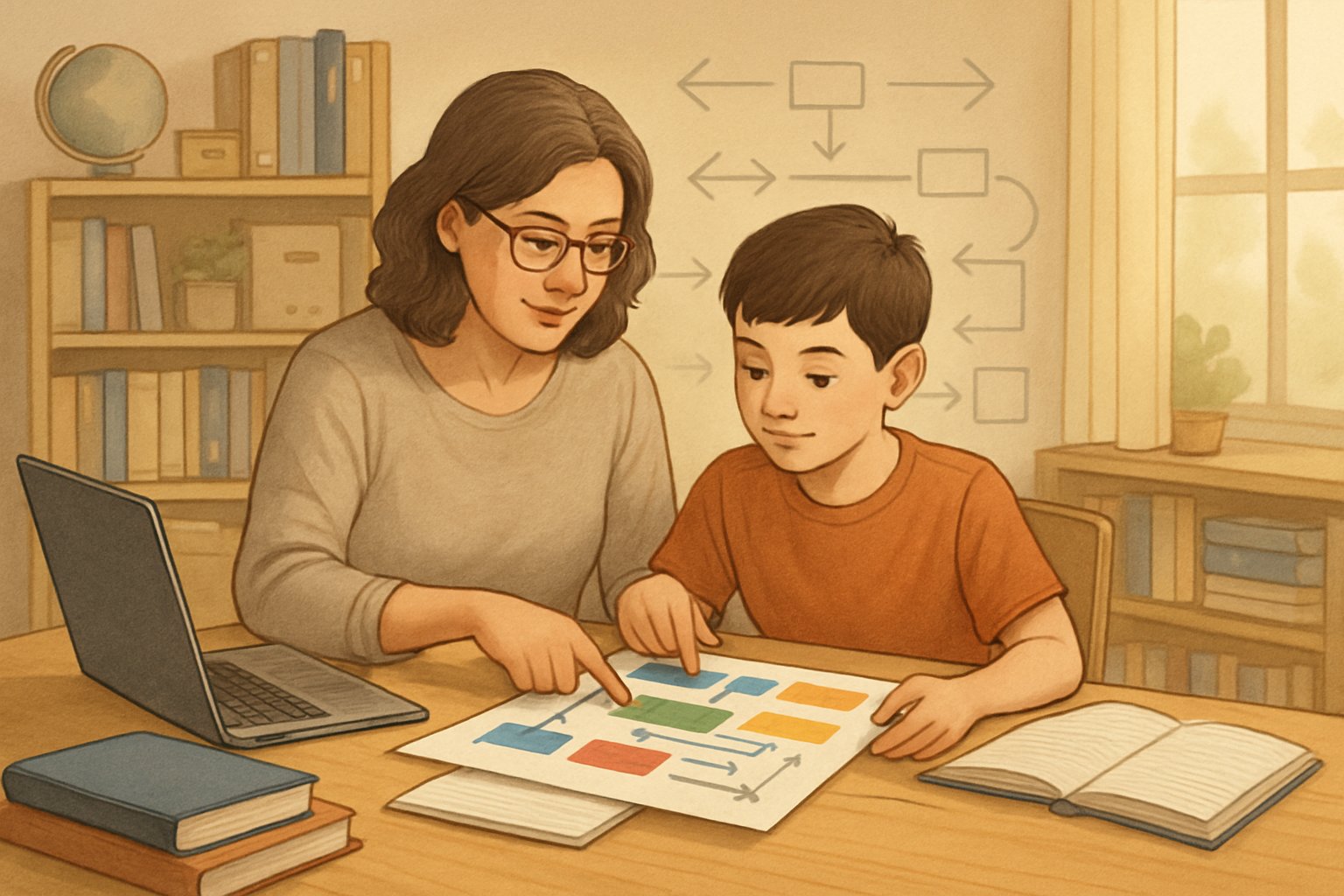
Parents and children learning together at a table in a bright, organized homeschool setting with books and educational materials.

Families across the country continue to look for flexible, trusted homeschool programs that balance structure with creativity. Parents often choose options that fit different learning styles, from faith-based materials to self-paced online lessons.

Top Picks Chosen by Real Parents

Parents consistently praise Sonlight, Abeka, and BJU Press for their strong academics and ease of use. Sonlight stands out for its literature-based approach, combining reading and history into one program. Families appreciate how it encourages discussion and critical thinking through story-driven lessons.

Abeka remains a favorite for parents seeking a traditional, Christian-based curriculum. It offers structured daily plans and clear teacher guides, making it easy for beginners to follow.

BJU Press provides both print and online options, giving families flexibility in how they teach. Its video courses and digital tools help parents manage multiple grade levels. Parents also mention programs like Saxon Math, Teaching Textbooks, and All About Reading, which appear on many lists including Jen Merckling’s top homeschool curriculums.

What Sets Each Curriculum Apart

Each program has a unique teaching style. Sonlight emphasizes real-world connections through books, while Abeka focuses on mastery through repetition and testing. BJU Press blends traditional instruction with multimedia lessons that keep students engaged.

Families who prefer independent learning often choose Teaching Textbooks for math because it provides instant feedback and automatic grading. For science, Apologia is known for its hands-on experiments and Christian worldview.

Programs like The Good and the Beautiful integrate multiple subjects, reducing the need for separate materials. Parents appreciate how this saves time while keeping lessons consistent. Lists such as the Top 10 Curriculum Choices (2025 Edition) highlight how these differences help families match resources to their child’s learning style.

How Rankings Were Determined

Rankings reflect parent feedback, curriculum flexibility, subject coverage, and long-term results. Reviewers considered how well each program supports different grade levels and whether it encourages independent learning.

Programs that combine strong academics with easy planning scored highest. Parents valued open-and-go lessons, clear teacher support, and affordable pricing.

Data from trusted reviews, including Homeschool.com’s top-rated curriculum list, helped confirm which programs perform best in real homes. Feedback from veteran homeschoolers also influenced rankings, ensuring that every recommendation reflects real family experiences rather than marketing claims.

Subject-Specific Standouts and Unique Features

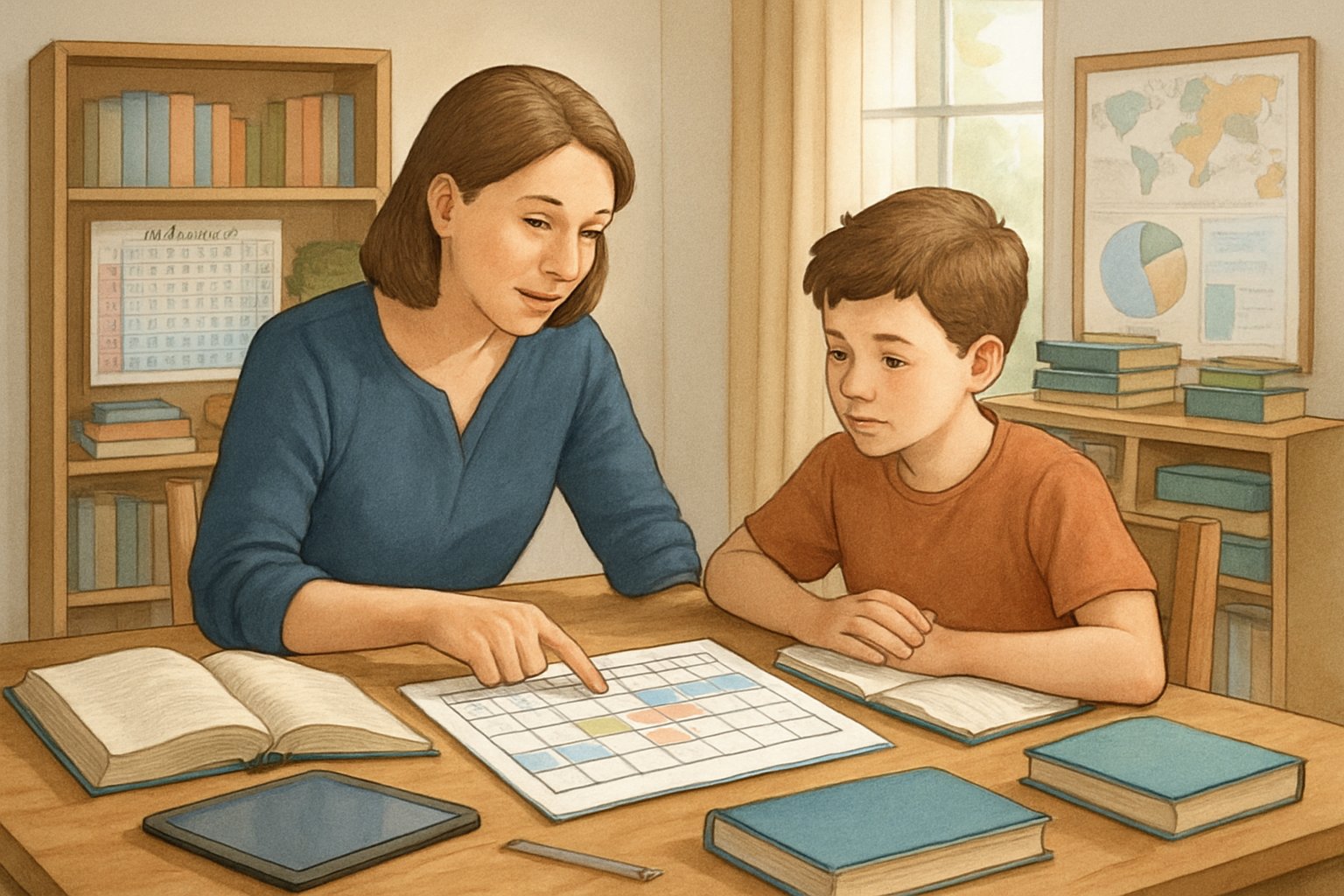
A family learning together at home with children and parents engaged in educational activities in a bright, organized room.

Families often choose homeschool programs that match their child’s strengths and interests. Certain curriculums shine in specific subjects, offering structured lessons, interactive tools, and flexible pacing that help students stay motivated and confident.

Best Math Curriculum Options

Math programs vary widely in teaching style and structure. Mr. D Math stands out for its live online classes and self-paced video lessons that guide students through algebra, geometry, and pre-calculus. Parents appreciate the clear explanations and built-in accountability.

Time4Learning and Teaching Textbooks also rank high for their interactive lessons and automatic grading. These platforms make independent learning easier for middle and high school students.

For younger learners, Math-U-See offers hands-on blocks that make abstract concepts visual. Families who prefer faith-based instruction often choose Abeka Math or BJU Press, which combine traditional teaching with Christian values.

Curriculum Format Grade Range Key Feature
Mr. D Math Online 6–12 Live and self-paced math courses
Math-U-See Hands-on K–12 Visual, mastery-based approach
Teaching Textbooks Online 3–12 Auto-grading and instant feedback

Language Arts and Reading Favorites

Strong reading and writing skills form the foundation for every subject. Programs like Logic of English and Learning Language Arts Through Literature use phonics-based instruction paired with classic books to build comprehension and vocabulary.

The Good and the Beautiful, featured in the Homeschool.com curriculum awards, combines language arts with art and geography, appealing to creative learners. All About Reading and Fix It Grammar by IEW support structured skill development through incremental lessons.

Families who value flexibility often use Time4Learning or SchoolhouseTeachers.com for online reading and grammar courses. These options include printable worksheets and automated assessments that track progress.

Science and Hands-On Learning Programs

Science programs attract students through experiments and real-world connections. College Prep Science offers lab-based courses designed by a former college professor, giving teens a solid foundation for advanced study.

MEL Science provides monthly experiment kits with virtual reality lessons that make chemistry and physics more interactive. Younger learners enjoy KiwiCo, which delivers age-appropriate science and engineering projects to the doorstep.

Families who prefer a Christian perspective often choose Apologia or Masterbooks, while secular homeschoolers may favor Real Science Odyssey for its inquiry-based approach. These programs make complex science topics approachable and memorable.

Top Choices for Music and Languages

Music and foreign language programs help students develop creativity and global awareness. Simply Music, Piano Marvel, and Guitar Tricks teach instruments through step-by-step online lessons that encourage daily practice.

For language study, Spanish and French programs from Rosetta Stone and Duolingo remain popular for their interactive lessons and speech recognition tools.

Families seeking a classical approach often turn to the Classical Learning Resource Center, which offers online Latin, Greek, and modern language classes taught by experienced instructors. These courses integrate culture, grammar, and conversation practice to create a well-rounded learning experience.

Choosing and Customizing Your Homeschool Curriculum

A family of four gathered around a table with books and notebooks, engaged in a homeschooling activity in a bright, organized room.

Families often mix different homeschool materials to fit their child’s learning style, faith, and schedule. Many parents use both printed and digital programs, combining structure with flexibility to create a balanced learning plan that supports consistent progress.

Blending Christian and Secular Programs

Parents who use a Christian homeschool curriculum often combine faith-based subjects with secular resources for science or history. This helps children learn strong academics while keeping moral or spiritual lessons at the center.

For example, a family might pair Apologia Science with secular history books or online tools. Mixing these programs lets parents choose what aligns with their values without limiting academic depth.

Some families also use programs like Sonlight or The Good and the Beautiful, which offer adaptable materials that can lean more or less religious depending on the chosen level.

When blending, it helps to:

  • Match reading levels and topics across subjects.
  • Use a shared schedule or planner to connect lessons.
  • Discuss differences between faith-based and secular ideas openly.

This approach keeps learning consistent while teaching kids how to think critically about different viewpoints.

Incorporating Video Lessons and Online Tools

Video-based learning makes homeschooling easier for busy parents. Tools like IXL for math and language arts or BrainPOP for science and social studies keep lessons interactive and short. A BrainPOP review shows that its videos help kids retain information through visuals and quizzes.

Using video lessons also allows students to learn independently. Programs such as Teaching Textbooks or Typesy (for typing practice) guide students step-by-step while tracking their progress automatically.

Parents can combine video tools with hands-on projects or reading assignments. For example:

Subject Online Tool Hands-On Activity
Math IXL Build geometry shapes
Science BrainPOP Simple home experiments
Typing Typesy Practice writing stories

This mix keeps lessons engaging while reinforcing key skills through multiple learning styles.

Creating Effective Lesson Plans

Strong lesson plans help families stay organized and reduce stress. Parents often start by setting weekly goals, then break them into daily activities.

A simple plan might include:

  1. Core subjects (math, reading, writing).
  2. Enrichment (art, physical activity).
  3. Review time for quizzes or projects.

Many families use digital planners or spreadsheets to track progress. Online curriculum sites like Homeschool Parents USA provide templates and examples for structuring schedules.

Flexibility is key. If a child struggles with a topic, parents can adjust pacing or switch to video lessons for extra support.

Keeping plans short and realistic helps children stay motivated and gives parents time to adapt materials as needed.

Filed Under: Uncategorized

10 Free Online Tools That Will Revolutionize Your Homeschool Routine! (2025 Guide)

October 23, 2025 by Valerie Leave a Comment

Top Free Online Tools for Homeschooling Success

A parent and two children studying together at a table with a laptop and educational materials in a bright home setting.

Families can use free digital platforms to build a complete homeschool curriculum, strengthen lessons, and track progress. These tools offer structured learning, flexible pacing, and engaging materials that support both students and parents.

Khan Academy: The Ultimate All-in-One Resource

Khan Academy provides a wide range of subjects for all grade levels, including math, science, history, and art. Its lessons use short videos, practice exercises, and quizzes to help students learn at their own pace. Parents can track progress through detailed dashboards.

The platform’s structured layout makes it simple to build daily routines. Students can review skills or move ahead when ready. It’s one of the most widely used free homeschooling resources because it combines quality lessons with flexibility.

Khan Academy also offers test prep for the SAT, ACT, and AP exams. This feature helps older students prepare for college without extra cost. Its nonprofit model ensures all content remains free and accessible worldwide.

CK-12 Foundation: Free Digital Textbooks and Practice

The CK-12 Foundation provides free digital textbooks, known as “FlexBooks,” that cover math, science, and social studies. These books include interactive videos, simulations, and practice questions. Students can explore topics in multiple formats, which supports different learning styles.

Teachers and parents can customize lessons to fit individual needs. This flexibility makes CK-12 a strong choice for building a personalized homeschool curriculum. The site also integrates with Google Classroom and other learning tools for easy management.

CK-12’s approach focuses on mastery learning. Students can repeat lessons until they fully understand a concept. The platform’s digital tools for enhancing homeschooling make it simple to combine reading, watching, and practicing in one place.

Easy Peasy All-in-One Homeschool: Complete Curriculum

Easy Peasy All-in-One Homeschool offers a full K–12 curriculum in subjects like reading, writing, math, and science. It’s completely free and designed for families who want a ready-to-use plan. Lessons are organized by grade and day, so parents can follow a clear schedule.

This program uses online materials, printable worksheets, and video links. It’s ideal for parents who prefer structured guidance instead of building lessons from scratch. The site also includes Bible study options for families seeking faith-based learning.

Because everything is online, it works well for families with limited budgets or multiple children. Many parents appreciate how this free online homeschool program keeps learning simple and organized.

Crash Course: Engaging Educational Videos

Crash Course creates short, animated videos that explain complex topics in a clear and entertaining way. Subjects include history, biology, literature, and economics. The videos use humor and visuals to keep students interested while still delivering solid educational content.

Each video series follows a structured path, making it easy to include in a homeschool curriculum. Students can watch a video, take notes, and discuss key points afterward. The style works especially well for visual learners and middle or high school students.

Crash Course’s free access through YouTube and its website makes it one of the most accessible homeschooling tools available. It’s a great way to reinforce lessons or introduce new topics in a fun, easy-to-understand way.

Essential Apps and Websites to Enhance Your Homeschool Routine

A family homeschooling at a table with laptops, tablets, and books in a bright, organized room.

Families can improve homeschooling by using free digital tools that make learning more interactive and planning more organized. These apps and websites help students stay engaged while giving parents flexible ways to manage lessons and track progress.

Prodigy Math Game: Gamified Learning for Kids

Prodigy Math Game turns math practice into a fun adventure. Students solve math problems to cast spells, earn rewards, and move through fantasy worlds. It covers topics from early elementary to middle school and adapts to each learner’s skill level.

Parents like that Prodigy aligns with curriculum standards and offers both free and paid versions. The free version includes core lessons and progress tracking, making it a strong choice among free homeschooling resources.

Teachers and parents can view reports showing which skills need work. This helps guide lesson planning without extra grading. The game’s design keeps kids motivated, especially those who find traditional math drills dull.

Duolingo: Fun Language Lessons

Duolingo helps students learn new languages through short, game-like lessons. Learners earn points, unlock levels, and practice speaking, reading, and listening. The app supports dozens of languages, including Spanish, French, and Japanese.

Its free version is enough for most homeschoolers. Parents can track streaks and set daily goals to build consistent study habits. Duolingo’s voice recognition helps with pronunciation, which is useful for independent learners.

Homeschool families often use Duolingo to supplement foreign language lessons or to explore new cultures. As noted in educational app guides, its simple design and positive feedback make it one of the easiest tools for students to use on their own.

Epic! Books for Kids: Online Reading Library

Epic! Books for Kids gives students access to thousands of digital books, audiobooks, and learning videos. It’s especially helpful for early readers or reluctant readers who need more variety. The library includes fiction, nonfiction, and educational titles sorted by grade and reading level.

Parents can assign books or let children explore freely. Reading progress is tracked automatically, and quizzes check comprehension. The free educator plan offers many titles that fit well into homeschooling lessons.

Epic! works on tablets, laptops, and phones, so kids can read anywhere. Many families use it during quiet reading time or while traveling to keep learning consistent.

Google Sheets and Trello: Simple Homeschool Planners

Organizing lessons is easier with Google Sheets and Trello. Google Sheets helps parents create weekly schedules, track assignments, and record grades. Templates for homeschool planning are widely available and easy to customize.

Trello uses boards, lists, and cards to organize tasks visually. Each subject can have its own board. Parents can drag and drop lessons, attach files, and set due dates.

Both tools are free and cloud-based, making them accessible from any device. As mentioned in DreamClass’s list of homeschooling tools, combining these planners keeps homeschooling structured without needing expensive software.

Creative Extras and Enrichment Tools for Every Homeschool Family

A family homeschooling together at a table with laptops, tablets, books, and educational materials in a bright room.

Families can expand learning beyond textbooks using free online tools that make lessons more interactive and meaningful. These options help students explore geography, literature, and history in ways that encourage curiosity and independent thinking.

Virtual Field Trips: Explore the World from Home

Virtual field trips let homeschoolers explore museums, national parks, and cultural landmarks without leaving home. Sites like the Paths of Learning guide list free homeschooling resources that include interactive tours and videos for all grade levels.

Students can walk through the Smithsonian, visit the Great Wall of China, or dive into ocean habitats through live webcams. Many virtual trips include teacher guides and printable worksheets that make it easy to connect what students see with their current lessons.

Parents appreciate how these experiences build context for subjects like science, art, and geography. They also give learners with different styles—visual, auditory, or hands-on—an engaging way to absorb new information.

Tip: Create a simple travel log where children record what they “visited,” draw pictures, and write short reflections. This turns exploration into a creative writing exercise too.

Project Gutenberg: Free Classic Literature

Project Gutenberg offers thousands of free eBooks that support reading and language arts in homeschooling. The site hosts classic literature in the public domain, from Little Women to Treasure Island, all available in digital formats that work on computers, tablets, or e-readers.

Using these books helps families save money while providing access to timeless stories that build vocabulary and reading comprehension. Many parents pair these readings with writing prompts or discussion questions to help students think critically about themes and characters.

A simple table can help organize reading goals:

Grade Level Recommended Titles Skills Focused
Upper Elementary The Secret Garden Vocabulary, empathy
Middle School The Adventures of Tom Sawyer Narrative analysis
High School Pride and Prejudice Literary devices, tone

Library of Congress Kids & Families: History and Primary Sources

The Library of Congress Kids & Families site connects homeschoolers with primary sources, photos, and historical documents. Students can view old maps, listen to early recordings, or explore digital exhibits about American history.

These materials help learners see history as real stories told through letters, diaries, and photographs. Teachers and parents can build lessons around original artifacts, encouraging students to analyze evidence instead of memorizing facts.

Many activities include printable worksheets and educator tools that align with social studies standards. The site also features “Ask a Librarian,” where families can submit questions about history topics.

This resource turns history into a discovery process that supports critical thinking and research skills—valuable traits for lifelong learners.

Filed Under: Uncategorized

9 Homeschool Myths That Are Totally False (But Everyone Still Believes!)

October 22, 2025 by Valerie Leave a Comment

Homeschooling has grown quickly in recent years, but many people still believe outdated ideas about what it really looks like. These myths often come from old stereotypes or limited experiences, leaving families unsure about whether home education could actually work for them. Understanding the truth about homeschooling helps families make confident and informed choices about their children’s education.

A family of four homeschooling together at a table with books and a laptop in a bright, cozy room.

This article explores nine common myths that continue to shape how people view homeschooling today. It looks at assumptions about social skills, academics, cost, and even college readiness to show what homeschooling is—and what it isn’t. By clearing up these misconceptions, it paints a more accurate picture of modern homeschooling and the diverse families who choose it.

1) Homeschoolers Lack Social Skills

Many people still believe that homeschooled children spend their days alone with little contact outside their families. This idea is outdated. Modern homeschooling often includes group classes, sports, community events, and volunteer work.

Studies and real-world examples show that homeschoolers often build strong communication and teamwork skills. They learn to interact with people of different ages and backgrounds, not just classmates their own age. Research highlighted in The Socialization Myth: How Homeschoolers Build Strong Social Skills shows that homeschoolers frequently excel in interpersonal relationships.

Homeschool families also create social opportunities through co-ops, clubs, and local activities. These experiences help children practice empathy and cooperation, as noted in Homeschooling and Socialization: Debunking the Myths.

The idea that homeschoolers are isolated often comes from misunderstanding what homeschooling looks like today. Many families use flexible schedules to connect with others and explore the world beyond the classroom, as explained in Homeschool Socialization: Myths, Realities, and Practical Strategies.

2) Homeschooling Is Only for Religious Families

A diverse family homeschooling scene with children and adults learning together in a bright room filled with books and educational materials.

Many people still believe homeschooling is only for religious families. This idea used to be more common when faith-based programs were the main option. Today, that has changed.

Families now choose homeschooling for many reasons. Some want more flexible academics, safer learning spaces, or personalized pacing. Others homeschool because of travel, health needs, or learning differences. As The Network explains, families homeschool for academic, social, or health-related reasons, not just religious ones.

The homeschool community has grown more diverse. Parents can pick from both faith-based and secular curricula, depending on their goals. Online programs and local co-ops also make it easier for families of all backgrounds to connect and share resources.

Modern homeschooling reflects many lifestyles and values. Families from cities, suburbs, and rural areas all take part. As Great Homeschool Conventions notes, homeschoolers come from all belief systems, showing that education at home is not limited to any one group.

3) Homeschooled Kids Don’t Get Enough Curriculum

Many people assume homeschooling lacks a full curriculum, but that idea is outdated. Today, families can choose from a wide range of structured programs, online courses, and accredited materials that meet or exceed public school standards.

Homeschoolers often use blended learning. They combine textbooks, digital lessons, and real-world projects to cover core subjects like math, science, history, and language arts. Sites such as Connections Academy explain how online options provide organized lessons and teacher support.

Parents also adapt lessons to fit their child’s learning pace. This flexibility helps students spend more time on challenging topics and move faster through easy ones. According to AZ Homeschoolers, this approach often gives children a deeper understanding of material.

Homeschooling families can also join co-ops or community classes to expand their curriculum. These groups offer lab science, art, and foreign language instruction, giving students a balanced education.

Far from being limited, homeschool curricula today are diverse, accessible, and designed to help students succeed in both academics and life skills.

4) Homeschooling Means No Extracurricular Activities

Many people think homeschooled students miss out on sports, clubs, and other group activities. In reality, most homeschool families find plenty of ways to stay active and involved.

Homeschooled students often join local sports leagues, music lessons, theater groups, or art classes. Some public schools even allow homeschoolers to take part in school teams or clubs under certain rules, as explained in this article on homeschooling myths.

Community centers, libraries, and youth programs also offer many opportunities for social and extracurricular involvement. These programs help homeschoolers meet new friends while exploring their interests.

Online learning platforms and co-ops make it easier than ever for homeschooled children to connect with others. As noted by Connections Academy, modern homeschooling often includes group projects, virtual clubs, and field trips.

Homeschooling allows families to choose activities that fit their child’s goals and schedule. Instead of missing out, many homeschoolers enjoy a wider variety of experiences than traditional students.

5) Homeschooled Students Are Not Ready for College

A group of homeschooled students studying together with an adult mentor in a bright home learning environment.

Many people assume homeschooled students struggle when they reach college. In reality, research and college admissions data show the opposite. Homeschooled students often enter college with strong study habits and self-discipline.

Colleges now recognize the value of homeschooling. Many institutions actively recruit homeschoolers because they tend to be independent learners and motivated students. According to Bridgeway Academy, homeschoolers are often more prepared academically than many of their peers.

Some believe homeschoolers lack exposure to structured learning or deadlines. However, most homeschool programs include schedules, projects, and assessments that mirror classroom expectations. The flexibility of homeschooling also helps students learn time management early.

As noted by FEE.org, colleges see homeschool applicants as mature and capable. They often perform well because they are used to taking responsibility for their own education.

Homeschool graduates have been accepted into a wide range of universities, from local colleges to Ivy League schools. Their success shows that being homeschooled does not limit college readiness—it can actually strengthen it.

6) Homeschooling Is Too Expensive for Most Families

Many people assume homeschooling costs more than traditional school. In reality, families can adjust their budgets and use free or low-cost materials to make it affordable.

Parents can find free online classes, worksheets, and lesson plans through public libraries and educational websites. Some families even share resources or trade teaching time with other homeschoolers.

According to The Curious Schoolhouse, homeschooling can cost less than expected when parents use community programs and digital tools. Many states also offer tax credits or deductions, as noted by Northgate Academy.

Even curriculum expenses vary widely. Families can choose between paid programs and free options that fit their children’s needs. Homeschool Myths explains that while some materials can be pricey, many affordable or no-cost alternatives exist.

Homeschooling may require planning, but it doesn’t have to break the bank. With creativity and research, families can provide a quality education at home without spending a fortune.

7) Homeschoolers Are Isolated and Don’t Make Friends

Many people still think homeschooled kids spend most of their time alone, but that idea doesn’t match reality. Homeschooling families often join co-ops, clubs, and community programs where children meet and work with others. These settings encourage teamwork and help students build lasting friendships.

Homeschoolers also take part in sports, art classes, and field trips through local groups and recreation centers. These activities create regular chances for social interaction outside the home. Families often plan study groups, park days, or volunteer projects together.

According to Homeschool.com, homeschoolers gain social experience through everyday life—talking with neighbors, family, and peers in many settings. Research shared by Top Education Degrees shows that homeschooled students often develop strong communication habits because they interact with a wide range of people.

Homeschooling allows flexible schedules that make social time easier to plan. Children can meet friends during the day, join mixed-age activities, and connect with their communities in meaningful ways. Far from being isolated, many homeschoolers enjoy rich and varied social lives.

8) Parents Aren’t Qualified to Teach Their Kids

Many people believe parents can’t teach their children because they don’t have education degrees. This idea is common, but it doesn’t match reality. Parents already teach their kids basic skills like talking, reading, and good manners long before school begins.

Research and experience show that homeschooling parents can use online tools, community classes, and structured programs to guide learning. Modern homeschool resources make it easier to follow clear lesson plans and track progress. Even accredited schools like Connections Academy note that parents are a child’s first and most important teachers.

Articles such as 7 Persistent Myths About Homeschoolers Debunked explain that most homeschool parents don’t need teaching degrees to succeed. What matters more is their commitment and willingness to learn alongside their children.

Parents who homeschool often adapt lessons to fit their child’s pace and interests. This flexibility can help students understand subjects better and enjoy learning. Many families find that the more they teach, the more confident they become in their ability to provide a strong education at home.

9) Homeschooled Children Are Weird or Different

Many people assume homeschooled kids act strange or lack social skills. This idea comes from old stereotypes, not reality. Most homeschooled children interact with others often and learn to communicate in many settings.

They meet friends through sports, clubs, and community programs. Some join online classes or local learning groups that mix kids from different backgrounds. These activities help them build confidence and teamwork skills.

According to 21K School, homeschooled students often have rich social lives that differ from traditional schools but are just as meaningful. They spend time with people of all ages, not just their peers, which can help them mature socially.

Even sites like Weird Unsocialized Homeschoolers note that being “different” can simply mean having unique interests or learning styles. That doesn’t make them odd—it makes them individuals.

In reality, homeschooled children are as varied as any other group. Some are shy, some outgoing, some artistic, and some athletic. Their social experiences may look different, but they are far from weird.

Understanding the Roots of Homeschool Myths

Many homeschooling myths come from outdated ideas and repeated misinformation. People often rely on secondhand stories, limited examples, or entertainment portrayals instead of real experiences from homeschool families.

How Misconceptions Spread

False beliefs about homeschooling often spread through word of mouth, old assumptions, and a lack of firsthand knowledge. When people hear the same claims—like homeschoolers being unsocialized or behind in academics—they start to sound true, even when evidence shows otherwise.

Studies and articles, such as those from Connections Academy, show that many myths persist because people rarely see what homeschooling actually looks like today. Families use online programs, co-ops, and extracurriculars that offer both structure and social interaction.

Common sources of confusion include:

  • Limited exposure to modern homeschool models
  • Outdated views from decades past
  • Anecdotes shared without context

Once these ideas circulate online or in conversation, they can be hard to correct. People tend to remember simple stories rather than complex realities.

The Role of Media and Pop Culture

Television and movies often shape how the public views homeschooling. Many shows still show homeschoolers as isolated, awkward, or overly strict, which reinforces stereotypes. Articles like Understanding Homeschooling: Debunking Myths with Evidence note that these portrayals rarely match real homeschool experiences.

Media tends to highlight extremes because they make interesting stories. This focus can leave out the majority of families who use balanced, flexible approaches.

Pop culture also influences parents’ comfort levels with homeschooling. When characters or news stories show only negative examples, it can discourage families from exploring it. Over time, these images shape public opinion more than actual data or personal stories.

The Realities of Homeschooling Today

Homeschooling now looks very different from what many people imagine. Families use flexible learning models, online platforms, and local support groups to create meaningful education plans that fit their children’s needs.

Diverse Homeschooling Approaches

Families use many approaches to teach at home. Some follow a structured curriculum similar to public schools, while others use interest-based learning that lets children explore topics deeply. Many combine both to balance freedom and consistency.

Online programs and virtual classrooms have made homeschooling more accessible. Students can take live classes, complete assignments online, and work with certified teachers through platforms like Connections Academy. This flexibility allows learning to happen anywhere with an internet connection.

Parents also adapt lessons to match their child’s pace. A student who excels in math can move ahead, while one who needs more time in reading can slow down. This personalized approach helps students build confidence and stay motivated.

Some families even blend homeschooling with part-time public or private school classes, local workshops, or community college courses. This mix gives students both independence and classroom experience.

Support Networks and Resources

Modern homeschooling families rarely work alone. They connect through local co-ops, online forums, and community events that offer shared classes, field trips, and extracurricular activities. These networks help children develop social skills and friendships, addressing the common myth that homeschoolers lack socialization, as explained by The Mindful Heart.

Parents also use digital tools to plan lessons, track progress, and find teaching materials. Educational websites, free e-books, and virtual labs make it easier to cover a full range of subjects. Many families rely on organizations such as 21K School for structured guidance and community support.

These resources create a strong foundation for homeschooling success, allowing families to share ideas, solve problems, and celebrate progress together.

Filed Under: Uncategorized

Top 8 Mistakes New Homeschool Parents Make — Tips To Avoid Common Pitfalls

October 22, 2025 by Valerie Leave a Comment

Homeschooling gives families the freedom to shape learning around what works best for their children. But when starting out, many parents find that excitement can quickly turn into stress. Knowing what common mistakes to avoid helps families build a smoother and more confident homeschooling experience from the start.

A family of four homeschooling together at a table with books and a laptop in a bright room.

This article explores the most frequent missteps new homeschool parents make and how to prevent them. It looks at how setting clear goals, creating a flexible routine, and understanding each child’s needs can make a big difference. Along the way, it also highlights how family involvement and social connections help homeschooling thrive.

1) Not setting clear goals and vision for homeschooling

A parent and child working together at a table with educational materials in a bright home setting.

Many new homeschool parents start with excitement but no clear direction. Without defined goals, lessons can feel scattered and progress hard to measure. A clear vision helps guide daily choices and keeps the family focused on what matters most.

Experts suggest that families take time to discuss their motivations and long-term plans. Talking about why they chose homeschooling helps align expectations and reduces confusion. Setting SMART or even SMARTER goals—specific, measurable, achievable, relevant, and time-bound—gives structure to the learning journey.

When parents skip this step, frustration often follows. They may switch curriculums too often or feel unsure whether their children are learning enough. Having a written plan or mission statement can prevent this uncertainty.

A clear homeschool vision also helps families stay motivated through challenges. It reminds them of their purpose when lessons get tough or schedules feel busy. With shared goals, parents and kids can work together with confidence and direction.

2) Trying to replicate traditional school at home

Many new homeschool parents believe they need to copy a public school schedule. They set up desks, follow strict timetables, and try to teach for six hours straight. This often leads to stress and frustration for both parents and children.

Homeschooling works best when families use its flexibility. Instead of rigid lessons, children can learn through projects, reading, and hands-on activities. The freedom to adjust pacing helps them stay interested and engaged.

Experts note that recreating school at home can cause burnout. Parents may feel pressure to meet unrealistic expectations, and kids may lose their love of learning.

A better approach is to build a routine that fits the family’s rhythm. Some families learn in the morning and explore outdoors in the afternoon. Others spread lessons throughout the day. Homeschooling allows parents to teach in ways that support each child’s learning style.

By letting go of the idea that home must look like school, parents give their children room to grow and discover.

3) Skipping the deschooling period for kids

A family homeschooling their young children at a table with books and school supplies in a bright room.

Many new homeschool parents rush straight into lessons after leaving public school. They often skip the deschooling period, which is the time needed to adjust from a school mindset to a home learning rhythm. This break helps children relax and rediscover their natural curiosity.

Deschooling gives families space to reset expectations and routines. It allows kids to heal from stress and parents to observe how their children learn best. According to TheHomeSchoolMom, this stage helps set realistic homeschooling goals.

Rushing into structured lessons too soon can lead to frustration. Children may resist learning because they still associate it with pressure or strict schedules. Taking time to deschool helps them see learning as enjoyable and flexible.

As explained by Miacademy, deschooling differs from unschooling. It’s a short-term transition, not a permanent approach. Parents who allow this period often find their children more engaged and confident once homeschooling begins.

4) Overloading the schedule with too many subjects

Many new homeschool parents try to teach every subject at once. They want their children to learn as much as possible, but this often leads to stress and burnout for everyone. Kids can lose focus when the day feels packed with constant lessons.

A heavy schedule can make learning feel rushed and overwhelming. According to This Homeschool House, parents often overload their homeschool day with too many subjects, leaving little time for breaks or creativity.

Families benefit from focusing on core subjects first and adding extras slowly. Dropkick Math explains that balancing multiple subjects works best when parents plan carefully and keep lessons manageable.

When parents simplify the schedule, children stay more engaged and enjoy learning. A lighter day allows time for reading, hands-on projects, and rest. Homeschooling works best when it fits the family’s rhythm instead of trying to copy a traditional school day.

5) Ignoring the child’s learning style and interests

Many new homeschool parents focus on what they think their child should learn instead of how their child learns best. Every child has a unique way of understanding new ideas. Some learn better by seeing, others by hearing, and some by doing.

When parents overlook these differences, learning can feel frustrating or boring for the child. Paying attention to their learning style helps lessons feel more natural and enjoyable. For example, visual learners need pictures or diagrams, while hands-on learners do better with experiments or projects.

Interests matter too. A child who loves animals might enjoy reading stories or doing math problems about pets. Connecting lessons to what excites them keeps motivation high and helps information stick.

Parents who take time to observe how their child learns and what sparks curiosity can adjust their teaching methods. This small change often leads to better focus, less stress, and stronger learning results.

6) Not involving the whole family in the homeschooling plan

Many new homeschool parents forget that education affects everyone in the home. When parents plan lessons or schedules alone, other family members may feel left out or unprepared for changes in routine. This can lead to confusion or frustration.

Families that include everyone in planning often find more success. Talking about goals and expectations helps each person feel valued. As noted in Five Common Homeschool Struggles and Solutions to Overcome Them, discussing motivations and objectives keeps everyone on the same page.

Siblings can also play a role. Older children might help younger ones with reading or projects. Parents can divide responsibilities, such as organizing materials or setting up a learning space.

When the whole family participates, homeschooling runs more smoothly. Involving everyone builds teamwork and reduces stress. It also helps children see learning as a shared family effort, not just a task assigned by parents.

7) Failing to create a flexible routine

Many new homeschool parents try to copy a traditional school schedule at home. They plan every hour and expect lessons to run exactly on time. This often leads to stress when real life interrupts.

A flexible routine helps families stay calm and productive. It gives structure without locking everyone into a rigid plan. Children learn better when they have time to explore and take breaks.

Experts suggest keeping a daily rhythm instead of a strict timetable. For example, parents can set blocks for reading, math, and play instead of exact times. This approach encourages consistency while allowing freedom to adjust as needed.

Families who build flexibility into their days often see more joy and less burnout. They can adapt lessons to a child’s mood, energy, or interests. Creating a balanced homeschool schedule that fits the family’s lifestyle makes learning smoother and more enjoyable.

8) Neglecting socialization opportunities for kids

Many new homeschool parents focus so much on academics that they forget how important social time is for their children. Kids need chances to talk, play, and work with others their age. Without these experiences, they might struggle to build confidence in group settings.

Homeschooling doesn’t automatically limit social growth, but parents must plan for it. Experts note that homeschooled children can be well socialized when families stay proactive and flexible. Parents who listen to their child’s needs and seek new activities help them develop strong communication skills, as explained by the Coalition for Responsible Home Education.

Regular interaction can come from sports, clubs, or volunteer work. Many families join homeschool co-ops or community classes to give kids group learning experiences. These activities help children practice teamwork and friendship in real-world settings, as suggested by Cambridge School Online.

When parents make socialization part of their homeschool plan, children gain both academic and social confidence. It helps them grow into well-rounded individuals ready to connect with others beyond the classroom.

Understanding the Homeschooling Journey

Homeschooling changes how families manage time, learning, and expectations. Parents take on new roles as teachers, mentors, and planners, while children adjust to learning in a more personal and flexible way. Success depends on setting clear goals and creating an environment that supports both structure and freedom.

Setting Realistic Expectations

Many new homeschool parents expect quick progress or perfect days. In reality, learning at home takes patience and flexibility. Parents often find that children learn at different speeds, and that’s normal.

A helpful approach is to set short-term goals instead of focusing only on the long-term picture. For example:

  • Finish one math unit each month
  • Read one new book per week
  • Track progress in a simple journal

According to Homeschool On, one of the biggest mistakes is trying to copy traditional school methods. Homeschooling works best when families adapt lessons to their child’s pace and interests.

Parents should also plan for off days. Illness, stress, or outside activities may interrupt the schedule. Flexibility helps prevent burnout and keeps learning enjoyable.

Adjusting to a New Learning Environment

Shifting from classroom learning to a home-based setup can feel overwhelming. Children may miss the structure of school, while parents may struggle to balance teaching with household duties.

A calm, organized space makes a big difference. Even a small table with supplies nearby can help children focus. Our Life Homeschooling notes that new homeschoolers often overlook the value of a consistent routine.

Families can use a simple daily rhythm:

Time Activity
9:00–10:00 Reading and discussion
10:15–11:15 Math practice
11:30–12:00 Outdoor or creative time

This balance of structure and freedom helps children feel secure while encouraging curiosity.

Building a Support System

Homeschool parents often feel isolated when they try to manage everything alone. Building a strong support network helps them share ideas, get advice, and find encouragement from others who understand the challenges of teaching at home.

Connecting With Other Homeschool Families

Parents can learn a lot when they connect with other homeschooling families. Local co-ops, online forums, and social media groups give them chances to share lesson plans, organize group activities, and exchange teaching tips. Joining a community like those mentioned in 6 Tips for Building a Support Network in Homeschool Guidance helps reduce stress and builds lasting friendships.

Families often meet through library programs, park days, or local homeschool events. These gatherings let children interact with peers while parents talk about what works and what doesn’t.

Ways to connect:

  • Attend local homeschool meetups.
  • Join online discussion groups.
  • Volunteer to plan field trips or workshops.

Having a network makes homeschooling feel less lonely and more sustainable over time.

Seeking Guidance From Experienced Educators

New homeschool parents benefit from advice shared by teachers and veteran homeschoolers. They can learn practical strategies from resources like Tips and Struggles for Homeschooling Parents: A Detailed Guide, which explains how to find mentors and ask for help when needed.

Experienced educators can recommend curriculum options, time management methods, and ways to adapt lessons for different learning styles. Some even offer workshops or one-on-one coaching sessions.

Helpful options include:

Type of Support Example
Online Courses Teaching strategy webinars
Mentorship Pairing with a veteran homeschooler
Local Resources Education centers or co-op classes

Learning from others’ experience helps parents avoid common mistakes and gain confidence in their teaching.

Filed Under: Uncategorized

7 Reasons Homeschoolers Are Outperforming Public School Kids And How Families Can Thrive Too

October 20, 2025 by Valerie Leave a Comment

More families are rethinking how their children learn, and homeschooling continues to grow as a strong alternative to traditional classrooms. Across the country, students learning at home are showing impressive academic results and stronger engagement in their studies. This article explores why homeschoolers are often outperforming public school students—and how any family can apply these same principles for better learning outcomes.

Three children studying together at a table in a bright home classroom with an adult helping them.

The following sections look at how homeschooling allows for personalized pacing, flexible schedules, and focused teaching that fits each child’s needs. They also highlight how parental involvement, efficient learning time, and thoughtful curriculum choices can shape stronger academic skills and confidence. Each reason offers practical insight for families seeking a more effective and balanced approach to education.

1) Customized learning pace tailored to each child’s needs

Homeschooling gives families the freedom to match lessons to a child’s learning speed. Instead of keeping up with a class schedule, students can spend more time on subjects that challenge them and move faster through topics they understand well.

This flexible approach helps children stay engaged and confident. Parents can adjust daily plans to fit each child’s strengths and weaknesses, creating a learning rhythm that supports steady growth.

In traditional classrooms, teachers must follow a set pace for large groups. At home, parents can design a personalized learning plan that fits their child’s interests and skills. This makes learning more meaningful and less stressful.

Many families find that this flexibility leads to stronger understanding and better retention. A customized curriculum allows children to explore topics deeply and develop a love for learning that extends beyond textbooks.

2) Flexible schedules that align with natural sleep patterns

A family in a bright home learning space with children engaged in reading and art activities while a parent guides them.

Homeschooling lets families set routines that match their children’s natural sleep cycles. Without early school start times, kids can get the rest they need and start learning when they feel alert and ready. This often leads to better focus and a calmer start to the day.

Studies show that homeschool students often sleep later and longer than their public school peers. They also tend to have healthier sleep habits and improved well-being, according to research on school start times and adolescent sleep.

Families can adjust lessons around their own rhythms. For example, some children learn best in the late morning or afternoon. A flexible homeschool schedule allows parents to plan lessons during these peak times instead of forcing a rigid routine.

This flexibility supports both learning and family life. Parents can plan activities, chores, and rest around when everyone feels most productive. As a result, homeschooling can create a more balanced and less stressful environment for both children and parents.

3) Focused one-on-one teaching time

Homeschooling often gives students more direct attention than they would get in a classroom. In a traditional school, one teacher may work with 20 to 30 students at once. At home, parents can adjust lessons to match a child’s pace and learning style, which helps them understand material more quickly.

This focused time means fewer distractions and more chances to ask questions. Studies show that personalized, focused instruction can lead to better results in less time. Children spend more of their learning hours actively engaged instead of waiting for others to catch up.

Parents can also use short, targeted lessons to keep their child’s attention. According to research on homeschool instruction time, homeschoolers often make equal or greater progress with fewer hours of formal teaching each day.

Focused one-on-one teaching builds confidence. When students see their progress right away, they feel more motivated to keep learning. This steady support helps them develop strong study habits and a lasting interest in learning.

4) Ability to avoid controversial or unwanted curriculum topics

A child studying at a desk with a parent helping in a bright, organized home learning space.

Homeschooling gives families more control over what their children learn. Parents can skip or delay lessons they feel are too political, sensitive, or not age-appropriate. This flexibility helps them focus on subjects that match their values and goals.

In public schools, debates over curriculum often create tension. Issues like standardized testing, history content, or health education can spark disagreements among parents and teachers. Some families choose homeschooling to avoid these curriculum conflicts and create a calmer learning space.

Homeschooling also allows parents to decide when and how to introduce controversial topics. They can discuss them in ways that fit their child’s maturity and beliefs. As one article notes, many families turn to homeschooling to escape curriculum fights and failing schools.

This ability to customize lessons lets children learn without outside pressure. It can also make education feel more personal and less stressful for both students and parents.

5) More efficient use of time with fewer annual classroom hours

Homeschool students often complete lessons in less time because their instruction is more focused. Without large class transitions or long periods spent on classroom management, they can move through material faster and still learn effectively.

Studies show that many homeschoolers spend about 2–3 hours a day on academics and make similar progress to public school students who attend a full school day. Research by HSLDA’s Steven Duvall found that this efficient learning time allows children to cover the same ground with fewer hours.

Homeschoolers also have shorter school years. Some reports note they complete around 144 instructional days compared to 180 for public school students. Despite this difference, they often achieve strong academic outcomes, as shown in a study comparing homeschool and public school instruction.

This efficiency gives families more flexibility for field trips, hobbies, and rest. It also helps students stay engaged because they spend less time sitting through tasks that don’t match their learning pace.

6) Parental involvement boosting motivation and accountability

Homeschooling often allows parents to take an active role in their child’s daily learning. When parents stay involved, students tend to feel more supported and responsible for their progress. Research shows that parental involvement can improve student outcomes by increasing motivation and engagement.

Parents who guide lessons, track assignments, and offer feedback help children stay focused. This consistent attention encourages students to take ownership of their work and develop self-discipline. Studies suggest that family engagement is a key factor in student success.

Homeschooling parents can also adapt lessons to match their child’s interests and pace. This flexibility helps students feel more invested in what they learn. When children see their parents’ commitment, they often mirror that effort and accountability.

Even small actions, like reviewing goals or discussing progress, can make a difference. Parents who stay involved not only boost motivation but also help their children build lifelong learning habits.

7) Curriculum choices that emphasize core academic skills

Homeschool families often focus on building strong foundations in reading, writing, math, science, and social studies. These subjects help students gain the skills they need for higher learning and everyday life.

Many programs highlight mastery-based learning, where students move forward only after fully understanding a topic. This approach allows for steady progress and reduces learning gaps. Families can explore options like mastery-based homeschool curriculum choices that support this method.

Some parents choose structured plans that align with recognized standards, such as adapting parts of Common Core for homeschoolers. Others prefer flexible resources that still cover essential subjects.

A strong homeschool curriculum usually includes core academic subjects to ensure balanced learning. By focusing on these areas, students strengthen problem-solving, communication, and critical thinking skills.

Families can mix traditional textbooks with digital tools to fit their child’s learning style. This flexibility helps keep lessons engaging and effective while still emphasizing academic essentials.

Understanding the Homeschooling Advantage

Homeschooling often allows students to learn at their own pace and focus on subjects that match their interests and abilities. This approach can lead to stronger academic results and higher motivation compared to traditional classrooms.

Flexibility in Learning Environments

Homeschooling gives families control over when, where, and how learning happens. Students can study in quiet home spaces, outdoors, or even while traveling. This flexibility helps them stay focused and reduces distractions common in large classrooms.

Many families appreciate that homeschooling schedules can adapt to a child’s energy levels. For example, a student who learns best in the morning can complete lessons early, leaving afternoons for projects or physical activity.

Research shows that flexibility supports better test performance. Studies from the Journal of School Choice found homeschoolers often score in the 85th to 90th percentile on standardized exams like the SAT and ACT.

Homeschooling also allows more time for real-world learning. Families can integrate museum visits, internships, or volunteer work into the curriculum, giving students experiences that connect lessons to daily life.

Benefit Description
Flexible schedule Students learn when they are most alert
Custom learning spaces Study areas fit individual needs
Real-world learning Field trips and projects enhance understanding

Personalized Curriculum Approaches

Homeschooling parents can tailor lessons to match each child’s strengths, weaknesses, and interests. This personalized curriculum helps students grasp concepts faster and retain information longer.

According to the National Home Education Research Institute, many families choose homeschooling to customize the curriculum and use teaching methods that fit each child’s learning style.

Instead of following a single textbook, homeschoolers often combine materials from different sources—online courses, hands-on activities, and independent reading. This mix keeps learning fresh and engaging.

Parents can also adjust the pace of instruction. If a student struggles with math but excels in reading, lessons can slow down in one subject and move faster in another.

This adaptability often leads to higher confidence and stronger academic outcomes, as students feel supported and challenged at the right level.

Supporting Your Child’s Success at Home

Children learn best when they feel connected, supported, and engaged in meaningful experiences. Parents who focus on strong relationships and practical, hands-on learning often see steady growth in both academics and confidence.

Building a Strong Parent-Child Relationship

A healthy bond between parent and child creates trust and motivation. When children feel valued, they participate more and take pride in their work.

Parents can strengthen this connection through consistent communication, shared goals, and positive feedback. For example, setting aside 10 minutes each day to talk about what went well helps children reflect and feel heard.

A simple table can guide daily habits:

Habit Purpose Example
Daily check-in Builds trust Ask, “What did you enjoy learning today?”
Shared planning Encourages responsibility Let the child help choose reading topics
Praise effort Boosts motivation Recognize persistence, not just results

Studies show that strong family relationships improve emotional well-being and academic outcomes. Parents who stay calm during challenges model resilience and problem-solving, key traits that support lifelong learning.

Incorporating Real-World Learning Experiences

Homeschooling allows families to connect lessons to real life. Parents can use everyday moments—like cooking, gardening, or budgeting—to teach math, science, and life skills.

Field trips to museums, libraries, or local businesses also help children link knowledge to the world around them. According to Understanding the Rise in Homeschooling, hands-on experiences support better emotional and social development.

Families can try these simple ideas:

  • Cooking together: Practice fractions and measurements.
  • Budgeting for groceries: Apply math to real situations.
  • Nature walks: Observe ecosystems and record findings.

These experiences make learning active and memorable, helping children see how education fits into their daily lives.

Filed Under: Uncategorized

5 Homeschooling Secrets Teachers Don’t Want You to Know: Simple Tips for Confident Learning at Home

October 17, 2025 by Valerie Leave a Comment

Many families wonder what really happens behind classroom doors. They hear about lesson plans, testing goals, and busy teachers, but few realize how much goes unsaid about how schools actually work. This article helps families uncover what teachers often keep quiet about and how that insight can shape better learning choices at home.

A parent and child learning together at a table with books and a laptop in a bright home classroom.

It explores the hidden sides of classroom life, from how teachers manage large groups to how school systems shape creativity and motivation. By understanding these behind-the-scenes truths, families can make more confident decisions about homeschooling and their child’s education journey.

1) Teachers often tailor lesson plans to meet standardized testing, which may limit creative learning.

A parent and child working together on a learning activity at a table in a bright, cozy home classroom.

Many teachers design their lessons around what will appear on standardized tests. This helps students perform better on required exams but can narrow what gets taught. Subjects like art, music, and hands-on projects may receive less attention when test preparation takes priority.

According to The Influence of Standardized Testing on Curriculum Development, schools often align their lessons with tested subjects such as math and reading. This alignment ensures consistency but can reduce time for broader learning goals. Students may miss opportunities to explore different interests or practice creative thinking.

Some educators argue that this focus on testing limits flexibility in the classroom. They feel pressure to “teach to the test” instead of adapting lessons for different learning styles. As A Critical Look at Standardized Testing explains, this approach can make learning less engaging and discourage curiosity.

Homeschooling families often notice this difference. Without the same testing requirements, they can spend more time on creative projects, field trips, or in-depth discussions. This freedom can help children learn in ways that feel more natural and enjoyable.

2) Many teachers wish parents understood the challenge of balancing individual attention with large class sizes.

Teachers often want to give each student personal attention, but large class sizes make that hard. With many students in one room, time and energy spread thin. Even the most caring teacher can struggle to meet every child’s needs.

Large classes can limit one-on-one help and slow learning progress. Studies show that smaller classes support better focus and stronger relationships between students and teachers. In contrast, larger class sizes present unique challenges that make it difficult to notice when a student is falling behind.

Many educators try creative solutions like intentional grouping. Group work helps students learn from one another while allowing teachers to rotate their attention more fairly. Still, it’s not the same as individual instruction.

Parents can support teachers by understanding these limits. Some advocate for smaller classes or volunteer to assist during lessons. As one article explains, when parents and teachers work together, students benefit from more focused guidance and care.

3) Teachers sometimes avoid discussing the full extent of curriculum limitations with parents.

Teachers often follow a set curriculum chosen by their school or district. They may notice that some lessons move too quickly or don’t fit every student’s needs, but they rarely share all those concerns with parents. Many feel pressure to stay aligned with district expectations.

Some teachers believe the curriculum is too challenging for certain students. A RAND Corporation survey found that about three in ten teachers think their school’s curriculum is more difficult than it should be. Still, they often focus on what they can adjust in class rather than discussing those limits openly.

Parents may assume the curriculum perfectly supports every learner. In reality, teachers often make small modifications to help students succeed without formally changing the program. Research on inclusive curriculum modifications shows that both teachers and parents face challenges in adapting lessons to meet diverse needs.

By understanding these quiet adjustments, parents can better support their children’s learning and communicate more effectively with teachers about what works best.

4) Educators notice that parental involvement strongly influences student motivation and success.

Teachers often see that when parents take an active role in learning, students stay more motivated. Simple actions like checking homework, asking about school, or reading together can make a big difference. Research shows that family engagement is a big factor in student success.

Studies also find that the quality of the student-teacher relationship can improve when parents stay involved. When children feel supported both at home and at school, they tend to perform better academically and behave more positively in class.

Parents who encourage independence and curiosity often raise children who enjoy learning. According to research on parental involvement and children’s academics, supportive parenting helps students build confidence and reduce school-related stress.

Educators notice that this teamwork between home and school builds trust. It helps children see that learning matters everywhere, not just in the classroom.

5) Some teachers admit they pick favorites, which can affect classroom dynamics.

Some teachers quietly admit that they feel closer to certain students. They may not mean to show favoritism, but it can still happen. This behavior can change how the whole class feels and interacts.

Research shows that teacher favoritism is often hidden behind justifications that make it hard for teachers to notice their own bias. Students, however, usually see it right away.

When a teacher gives more attention or praise to a few students, others may feel ignored or less valued. Experts note that this can lead to tension or lower motivation among classmates.

Favoritism can also shape learning opportunities. A teacher might call on certain students more often or offer them extra help. Studies suggest this can happen when a teacher relates to a student’s background or personality, as seen in classroom observations.

Teachers who reflect on their actions and emotions can reduce bias. Many education experts encourage self-awareness and fair treatment to create a more balanced and supportive classroom.

Understanding Homeschooling Myths

Many families hesitate to homeschool because of outdated ideas about what it involves. Real experiences and studies show that homeschooling can be flexible, effective, and supportive of both academic and personal growth.

Common Misconceptions About Homeschooling

One common myth is that homeschooled children lack social skills. In reality, many families join co-ops, sports, and community programs where children build strong friendships and teamwork skills. Articles like 30 Common Misconceptions About Homeschoolers and Homeschooling explain that homeschooled students often interact with people of all ages, not just peers.

Another myth claims parents need teaching degrees to homeschool effectively. Yet, as noted in Simply Homeschool’s guide to common myths, success depends more on commitment and curiosity than credentials. Parents can use online resources, local classes, and support groups to teach confidently.

Some also believe homeschooling limits college or career opportunities. However, research shows that homeschool graduates often perform well academically and transition smoothly to higher education. Many universities actively recruit homeschoolers because of their independence and self-motivation.

Key takeaway: Most myths about homeschooling come from misunderstanding or outdated assumptions rather than real evidence.

How Homeschooling Differs From Traditional Schooling

Homeschooling allows families to tailor lessons to each child’s learning pace and interests. Unlike traditional classrooms, schedules can adjust to fit family life, travel, or specialized subjects. This flexibility helps students explore topics in depth and develop self-discipline.

In traditional schools, teachers manage large classes and fixed curricula. Homeschooling, by contrast, offers one-on-one instruction that can quickly address learning gaps. Parents can use textbooks, online tools, or project-based learning depending on what works best for their child.

A comparison from Understanding Homeschooling: Debunking Myths with Evidence highlights that homeschooling often leads to stronger academic outcomes because of personalized attention and adaptable teaching methods.

Feature Homeschooling Traditional Schooling
Class Size Usually 1–5 students 20–30 students
Schedule Flexible Fixed
Curriculum Customizable Standardized
Learning Pace Individualized Group-based

Homeschooling’s structure gives families freedom while still meeting educational standards, helping students learn in ways that fit them best.

Empowering Parents in Education

Parents play a central role in shaping how their children learn at home. With the right mindset and tools, they can create a flexible and supportive environment that helps kids grow both academically and emotionally.

Building Confidence as a Homeschool Teacher

Many parents feel nervous about teaching, especially if they lack formal training. Yet, they don’t need to be certified educators to guide their children effectively. According to Twinkl, passion and dedication often matter more than teaching credentials.

Confidence grows through preparation and small successes. Parents can start by setting clear goals, keeping lessons short, and celebrating progress. Over time, these habits build trust in their abilities.

Support networks also help. Online groups and local co-ops let families share ideas, trade materials, and find reassurance that others face the same challenges.

A few confidence-building actions include:

  • Creating a daily routine that fits the family’s schedule.
  • Tracking achievements to see steady improvement.
  • Learning alongside the child to model curiosity and growth.

Accessing Educational Resources at Home

Homeschooling families have access to a wide range of materials that make learning easier and more engaging. Digital libraries, online courses, and printable worksheets allow parents to tailor lessons to each child’s pace and interests.

Websites like Time2Homeschool highlight how parents can use technology to support academic, social, and emotional development.

A simple resource plan can include:

Type Example Purpose
Online tools Virtual labs, educational videos Hands-on learning
Printable materials Worksheets, planners Practice and organization
Community programs Local libraries, museums Real-world experiences

By combining these options, families create a balanced and adaptable learning environment that supports long-term success.

Filed Under: Uncategorized

  • « Go to Previous Page
  • Page 1
  • Interim pages omitted …
  • Page 5
  • Page 6
  • Page 7
  • Page 8
  • Page 9
  • Interim pages omitted …
  • Page 20
  • Go to Next Page »

Primary Sidebar

Free Photo Lessons for Kids

Photo Lessons for kids

Categories

  • Photography
  • Preschool
  • Reading
  • Uncategorized
A person organizing educational materials and subject folders on a desk to build a homeschool curriculum.

How to Build Your Own Homeschool Curriculum From Scratch

Choose Your Framework Before You Pick Resources Before buying a single textbook or signing up for … [Read More...] about How to Build Your Own Homeschool Curriculum From Scratch

A family learning together at a table with books, a tablet, science experiments, and art supplies in a bright room.

How to Blend Homeschool Styles for a Custom Approach: A Step-by-Step Guide

Blending Homeschool Styles for a Tailored Education Families often mix homeschooling methods to … [Read More...] about How to Blend Homeschool Styles for a Custom Approach: A Step-by-Step Guide

Illustration of parents and children learning together in a bright, home setting with books, nature, and a digital device.

Pros and Cons of Each Homeschool Style: What Parents Should Know

Pros and Cons of Popular Homeschool Styles Parents often find that homeschool success depends on … [Read More...] about Pros and Cons of Each Homeschool Style: What Parents Should Know

Multiple homeschooling families in their homes, with parents and children engaged in various learning activities like reading, science experiments, and homework.

Real Life Examples: A Peek Into Different Homeschooling Families’ Journeys

Real Life Examples Of Homeschooling Families Families use homeschooling to create schedules that … [Read More...] about Real Life Examples: A Peek Into Different Homeschooling Families’ Journeys

A parent and child sitting together at a home study area with books and learning materials, focusing on planning and studying.

How to Reevaluate and Adjust Your Homeschool Style Over Time: A Practical Guide

Why and When to Reevaluate Your Homeschool Style Families often notice that a learning approach … [Read More...] about How to Reevaluate and Adjust Your Homeschool Style Over Time: A Practical Guide

A parent and child sitting at a table with learning materials, engaged in a homeschooling activity tailored to the child

How to Choose the Best Homeschool Curriculum for Your Child’s Learning Style: A Practical Guide for Parents

Identify Your Child’s Learning Style Each child learns in unique ways that shape how they … [Read More...] about How to Choose the Best Homeschool Curriculum for Your Child’s Learning Style: A Practical Guide for Parents

Children learning at home using books, tablets, and science experiments in a bright, organized classroom setting.

Top 5 Homeschool Curriculums for Elementary Students in 2026: Comprehensive Guide

Top 5 Homeschool Curriculums for Elementary in 2026 Families seeking a reliable elementary … [Read More...] about Top 5 Homeschool Curriculums for Elementary Students in 2026: Comprehensive Guide

A split scene showing a student learning online with a laptop and digital tools on one side, and a student studying with books and notebooks in a traditional homeschool setting on the other side.

Comparing Online vs. Traditional Homeschool Curriculums: Pros and Cons Explained

Key Differences Between Online and Traditional Homeschool Curriculums Families exploring … [Read More...] about Comparing Online vs. Traditional Homeschool Curriculums: Pros and Cons Explained

A family of four gathered around a table with educational materials, engaged in learning activities together in a home study area.

How to Customize a Homeschool Curriculum to Fit Your Family’s Needs: A Practical Guide

Identifying Your Family’s Needs and Learning Styles Families who homeschool succeed best when they … [Read More...] about How to Customize a Homeschool Curriculum to Fit Your Family’s Needs: A Practical Guide

A parent and child studying together at a desk surrounded by books and learning materials in a bright, organized homeschool room.

Budget-Friendly Homeschool Curriculums That Don’t Sacrifice Quality: Top Options and Smart Strategies

Best Budget-Friendly Homeschool Curriculum Choices Families looking for affordable homeschool … [Read More...] about Budget-Friendly Homeschool Curriculums That Don’t Sacrifice Quality: Top Options and Smart Strategies