• Skip to primary navigation
  • Skip to main content
  • Skip to primary sidebar

Clever Homeschool

Fun courses based on your child's interests!

  • Home
  • Free Photo Lessons for Kids
  • “Get That Shot!” photo tags

Uncategorized

The Benefits of Open-and-Go Homeschool Curriculums for Busy Parents: Simplifying Daily Learning

December 24, 2025 by Valerie Leave a Comment

Key Advantages of Open-and-Go Homeschool Curriculums
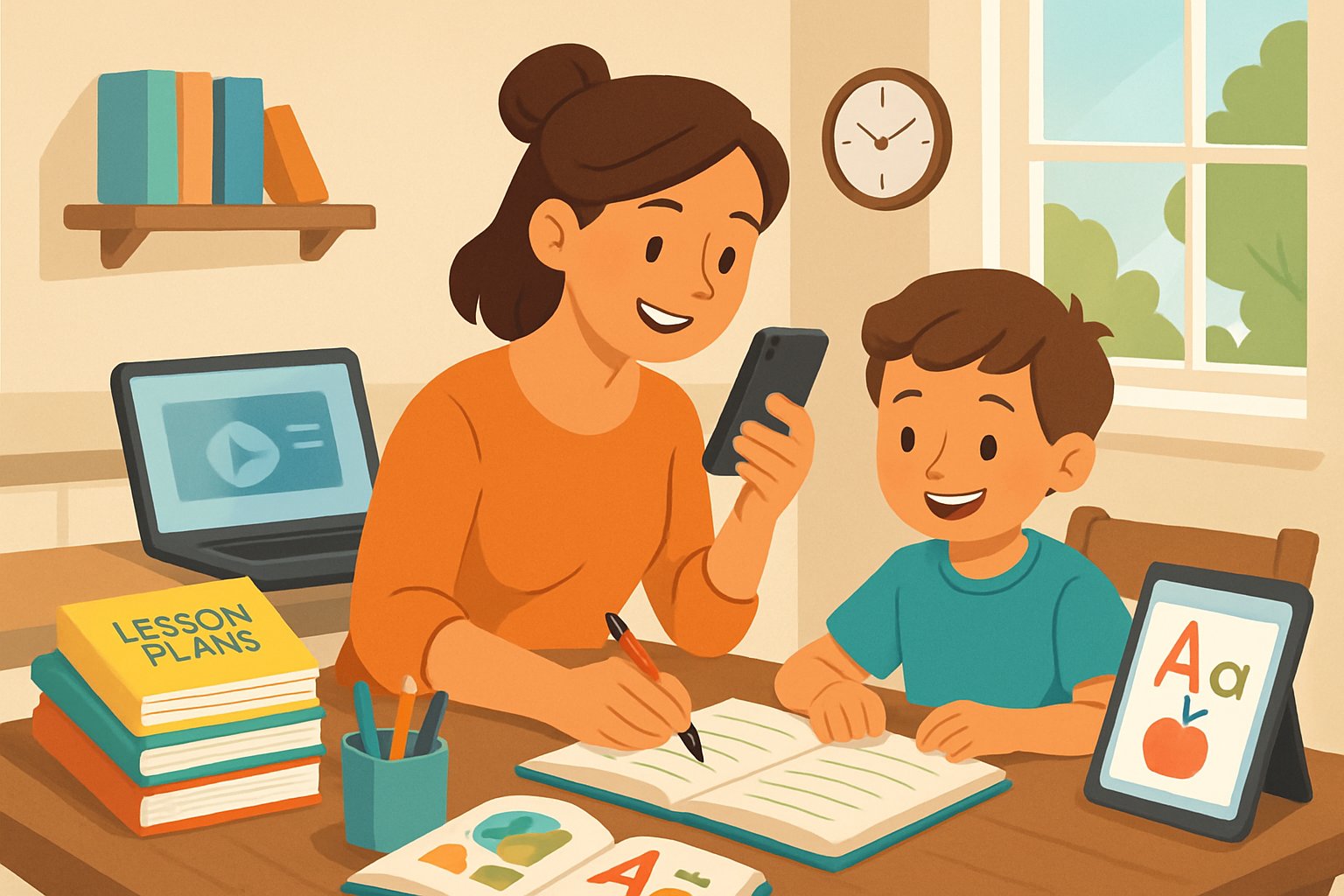
A parent helping a child with schoolwork at home while managing a laptop, surrounded by educational materials, showing an organized and bright learning environment.

Families who use open-and-go homeschool curriculums often appreciate how much time it saves, how consistent the lessons are, and how easy it is to transition into homeschooling. These programs combine ready-to-teach materials, structured plans, and built-in support, helping parents focus more on their children’s learning instead of constant lesson prep.

Time-Saving Daily Prep for Parents

An open-and-go homeschool curriculum removes much of the daily prep work that traditional homeschooling often demands. Parents can simply open the lesson guide and begin teaching without collecting materials or creating new plans.

This saves hours each week. For example, programs like Schoolio provide prearranged lessons with all needed resources listed.

A typical open-and-go setup includes prewritten lesson guides, answer keys, and activity sheets. Families may receive both print and digital formats, which makes scheduling smooth and flexible.

Key benefits of time-saving prep:

  • Minimal daily setup time
  • Clear step-by-step instructions
  • Predictable learning flow

This format works well for working parents or families with multiple children who need a straightforward, efficient routine.

Consistent and Structured Lesson Plans

The consistency of open-and-go homeschool curriculums is one of their strongest features. Each subject builds on the previous day’s work, creating a reliable pattern that reinforces learning.

Structured lesson plans reduce guesswork and give both parents and children a clear roadmap for progress. Many programs, including Sonlight, use literature-based plans or unit studies that tie reading, writing, and history together.

This integration keeps lessons connected across subjects while still maintaining daily balance. Parents appreciate that structured lessons follow a logical sequence and track skill development clearly.

Consistent planning helps children develop study habits and responsibility. Parents gain confidence in what comes next.

Less Stress and Simpler Transitions

Switching to homeschooling can feel overwhelming, especially for parents managing work or home duties. Open-and-go curricula help reduce that stress by guiding families step-by-step.

The ready-to-use materials prevent late-night lesson planning and uncertainty about what to cover next. Programs like Moving Beyond the Page make transitions smoother with flexible pacing and clearly labeled activities.

Parents know what to expect each day and can adapt lessons without rewriting them. A ready curriculum also keeps motivation high.

Less time spent planning means more energy for teaching, discussion, and connection. Fewer details to manage equals fewer chances of burnout for busy households.

Support for New and Experienced Homeschoolers

Both new and experienced homeschoolers gain reassurance from the built-in support found in open-and-go curriculums. New homeschooling parents can rely on detailed guides, suggested schedules, and online communities.

Experienced teachers appreciate how quickly they can implement the program while still personalizing lessons. Curriculums like The Good and the Beautiful and boxed curriculum packages such as BookShark often include parent tips, video tutorials, and assessment tools in their kits.

These help families adapt courses to different grade levels and learning speeds. Support tools also foster independence in students.

As children become familiar with the layout, they can manage certain parts of the lesson themselves. This frees parents for oversight instead of constant direction.

How Open-and-Go Programs Empower Independent Learning
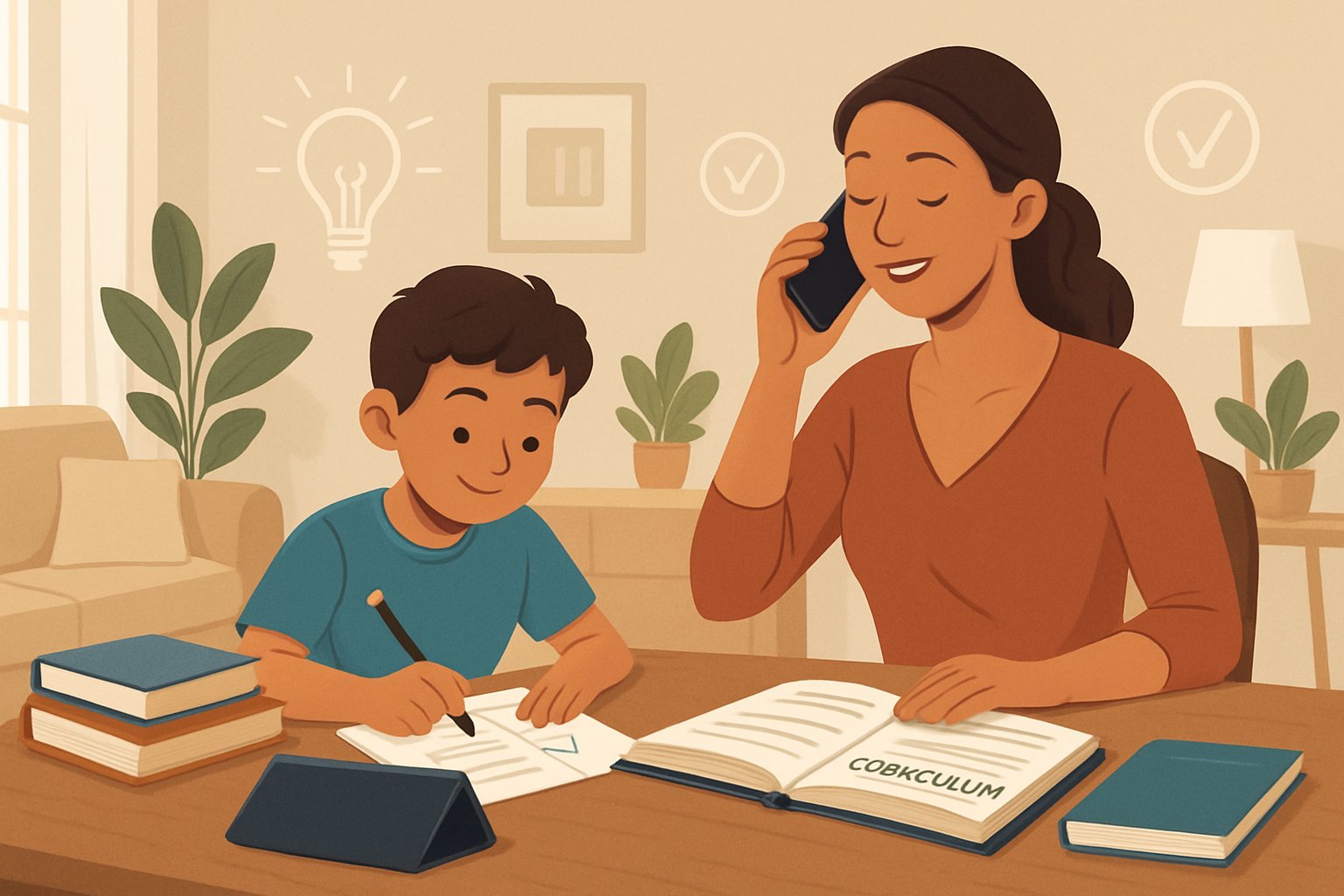
A parent and child in a bright living room engaged in independent home learning with educational materials on a table.

An open-and-go homeschool curriculum helps learners grow more confident by giving them the tools and structure to take ownership of their studies. It promotes self-direction, problem-solving, and a pace that fits individual needs.

Fostering Student Autonomy

Students thrive when they have control over how they learn. Open-and-go programs, such as those listed in the 7 Best Open-and-Go Homeschool Curriculum Choices, give children clear guidance but leave space for choice and self-management.

Each lesson is laid out step by step, allowing them to follow schedules or move ahead independently. With fewer planning tasks for parents, children learn to track their progress and complete assignments with minimal intervention.

This process builds strong time-management habits and helps learners take responsibility for their education. Simple daily checklists or planner pages often come with these programs, encouraging personal accountability.

Over time, students gain the confidence to explore topics without waiting for constant direction. This fosters independent learning—a skill that benefits them both in homeschooling and in later academic or workplace settings.

Encouraging Critical Thinking and Problem-Solving

When used thoughtfully, open-and-go resources also strengthen critical thinking. Many include reading, writing, and discussion prompts that guide students to reason through ideas, not just memorize facts.

Programs like those highlighted in The Ultimate List of Open-and-Go Homeschool Curriculum often feature hands-on activities that require analysis, comparison, and evaluation. For instance, science lessons might ask students to observe a simple experiment, record results, and predict outcomes.

Literature-based assignments may encourage them to draw conclusions about characters or themes. These approaches build the habit of questioning and reasoning logically.

By solving real-world problems or answering open-ended tasks, learners practice doing rather than only reading. This active approach creates deeper engagement and longer-lasting understanding.

Flexible Pacing for Different Learning Styles

Every child learns differently. A key advantage of open-and-go homeschool curriculum options, such as those described by Schoolio’s All-in-One Curriculum Programs, is their built-in flexibility.

Families can speed up or slow down lessons without losing structure. Visual learners might benefit from illustrated workbooks, while auditory learners may use recorded materials or read-aloud sections.

Because everything is organized by day or week, it’s easy to adapt lessons to match a child’s natural rhythm. Flexible pacing reduces frustration and encourages consistency.

Students can revisit difficult lessons, repeat practice exercises, or skip material they’ve already mastered. This adaptability supports personalized growth and reinforces self-motivation—key elements in building strong, independent learners.

Curriculum Choices and Subject Coverage for Busy Parents

A parent and child working together at a desk with homeschooling materials and a calendar in a bright home office.

Families who need flexible homeschooling often turn to open‑and‑go programs that bundle complete lesson plans, ready‑made materials, and clear schedules. These programs cover everything from math and language arts to electives like art and science labs, helping busy parents save time while still giving their children a full education.

Popular All-In-One and Subject-Specific Options

Many open‑and‑go programs come ready to use with minimal setup. All‑in‑one curriculums such as Time4Learning or Power Homeschool let students move through online lessons in core subjects with built‑in grading tools.

Families who prefer printed books may like Masterbooks, BJU Press, or My Father’s World, which combine teacher guides and student books. Parents who want a faith‑infused approach often explore Apologia, Abeka, or Heart of Dakota, all known for Christian values and simple daily plans.

Others choose Moving Beyond the Page or Real Science Odyssey for secular, hands‑on learning. Subject‑specific programs like Teaching Textbooks, Saxon Math, or Mr. D Math focus only on math but fit easily into a larger plan.

Type Example Curriculums Format Prep Time
All‑in‑one Time4Learning, BJU Press, Masterbooks Online/Print Low
Subject‑specific Teaching Textbooks, Apologia Science Mixed Very low
Thematic/Literature‑based Sonlight, BookShark, Campfire Curriculum Print Moderate

Integration of Core Subjects and Electives

Open‑and‑go curriculums simplify teaching by blending language arts, math, science, and social studies with rich electives. Programs such as The Good and the Beautiful and Notgrass History integrate multiple subjects into a single plan.

A reading lesson might pair with history, or a short science project might include writing practice. Art, music, and literature‑based activities make learning more complete without extra planning.

Families using Sonlight or BookShark enjoy their literature‑driven approach, while SchoolhouseTeachers.com offers unit studies where electives like art and geography naturally fit into daily lessons. Some programs, like Campfire Curriculum or Wildwood Curriculum, encourage project‑based exploration that links different subjects around one topic.

This cross‑connection saves time and helps children see how academic ideas relate.

Secular vs. Christian Homeschool Curriculums

When choosing between secular and Christian homeschool curriculums, parents should focus on their family’s goals and values. Christian programs—like Abeka, Apologia, Veritas Press, and Generations—teach from a biblical worldview and often include Bible study or devotionals.

They appeal to families who want academic work tied closely to faith.

Secular curriculums—such as Moving Beyond the Page, Real Science Odyssey, and Schoolio—avoid religious content but still provide strong coverage in science and social studies.

These options support families seeking a neutral or science‑driven approach.

Some hybrid programs strike a balance. The Good and the Beautiful contains Christian themes but focuses heavily on moral values and family reading.

Others, like Time4Learning, stay entirely adaptable, letting parents add faith‑based or secular materials as needed.
Filed Under: Uncategorized

Incorporating STEM Curriculums into Your Homeschool: Engaging Strategies for Success

December 24, 2025 by Valerie Leave a Comment

Key Principles of STEM Education in Homeschooling

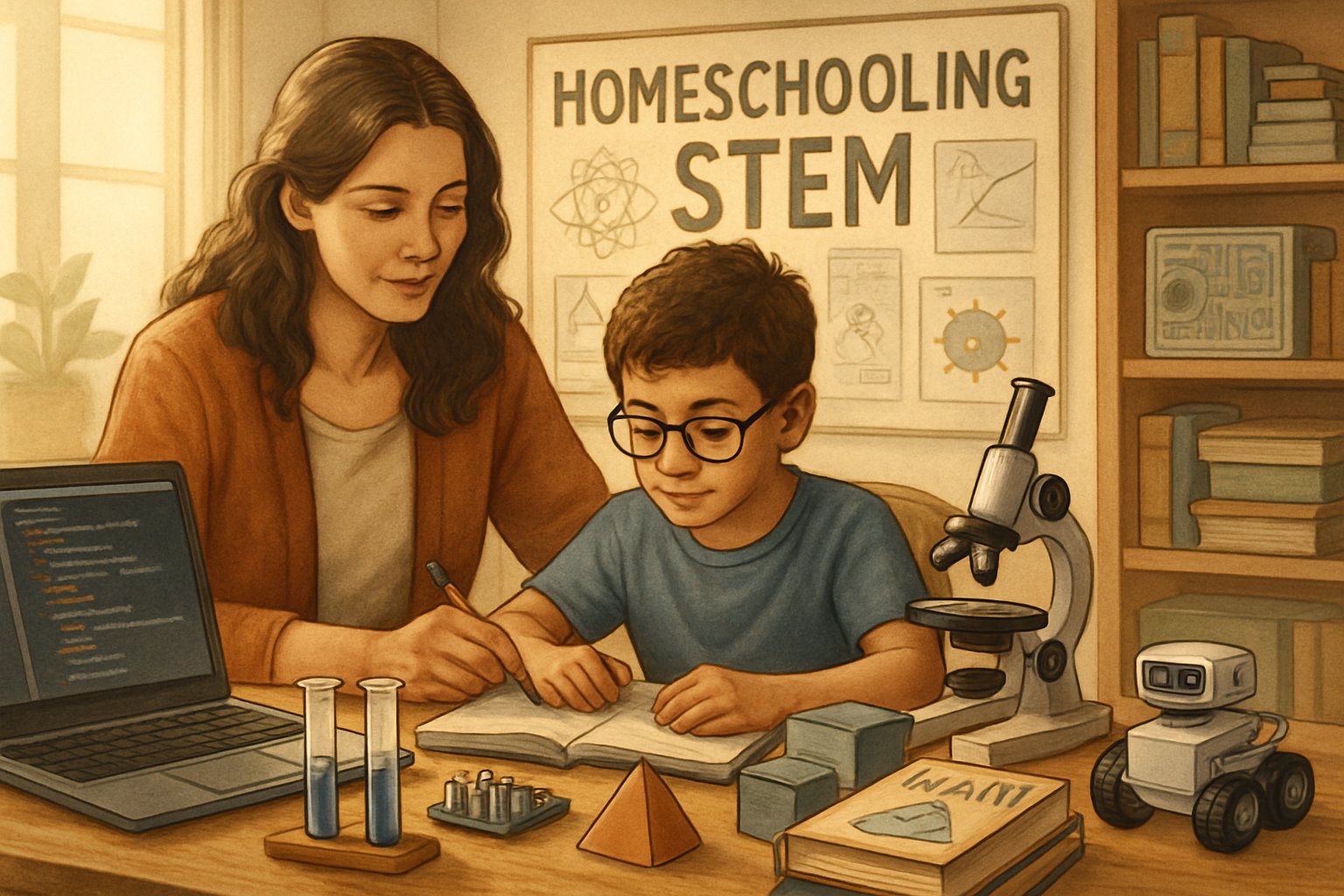
A parent and child working together at a desk with STEM materials including a laptop, science tools, math books, and engineering models in a bright homeschooling room.

Strong STEM education in homeschooling builds lifelong skills in problem-solving, creativity, and analytical thinking. It helps students connect science, technology, engineering, and math to real-world situations they encounter every day.

Benefits of STEM Learning for Homeschooled Students

Homeschool STEM programs offer flexibility to match a child’s pace and interests. Parents can personalize lessons to fit strengths and curiosity, encouraging deeper learning.

This individual approach allows students to spend more time on challenging ideas instead of rushing through a standard schedule. STEM education also supports hands-on, project-based experiences.

Simple experiments, model building, or digital design activities help reinforce abstract concepts. Students see how mathematics relates to coding or how engineering connects to environmental science.

By focusing on practical learning, homeschoolers build confidence and independence. They also strengthen transferable STEM skills such as data analysis, teamwork, and logical reasoning—qualities that prepare them for modern careers and future study.

Many programs, such as those discussed in Homeschool STEM – Embracing STEM Education in Homeschool, highlight how flexible learning supports both skill growth and curiosity.

Fostering Critical Thinking and Problem-Solving Skills

A strong STEM curriculum encourages students to ask questions, form hypotheses, and test their own ideas. STEM learning relies on practice and observation rather than memorization.

This helps develop critical thinking and practical problem-solving skills that apply beyond academics. In homeschooling, parents can guide their children through open-ended challenges.

For example, students can test how different materials affect bridge strength or explore basic coding to automate a small task. This kind of work promotes analysis, creativity, and persistence in facing unexpected results.

According to The Power of STEM Education in Homeschooling, inquiry-based activities make children active participants in their education. They learn to reason through problems independently while also seeing mistakes as useful parts of the learning process.

Starting STEM Early: Age-Appropriate Approaches

Introducing STEM education early helps children view science and math as natural parts of everyday life. For younger learners, simple experiments such as mixing baking soda and vinegar or building towers with blocks lay the groundwork for problem-solving.

Early lessons should focus on play, observation, and discovery instead of complex formulas. As children grow, projects can become more structured.

Middle school students might design a solar oven or use basic robotics kits, leading into high school courses that emphasize analysis and data-driven inquiry. Parents can combine subjects across the homeschool curriculum—for example, using math in art projects or linking technology to geography lessons.

Resources such as Incorporating STEM Activities into Your Homeschool Routine suggest that students gain long-term benefits when early experiences connect fun with learning. This gradual exposure builds confidence, preparing learners for advanced topics later in their homeschool STEM journey.

Practical Ways to Integrate STEM into Your Homeschool Curriculum

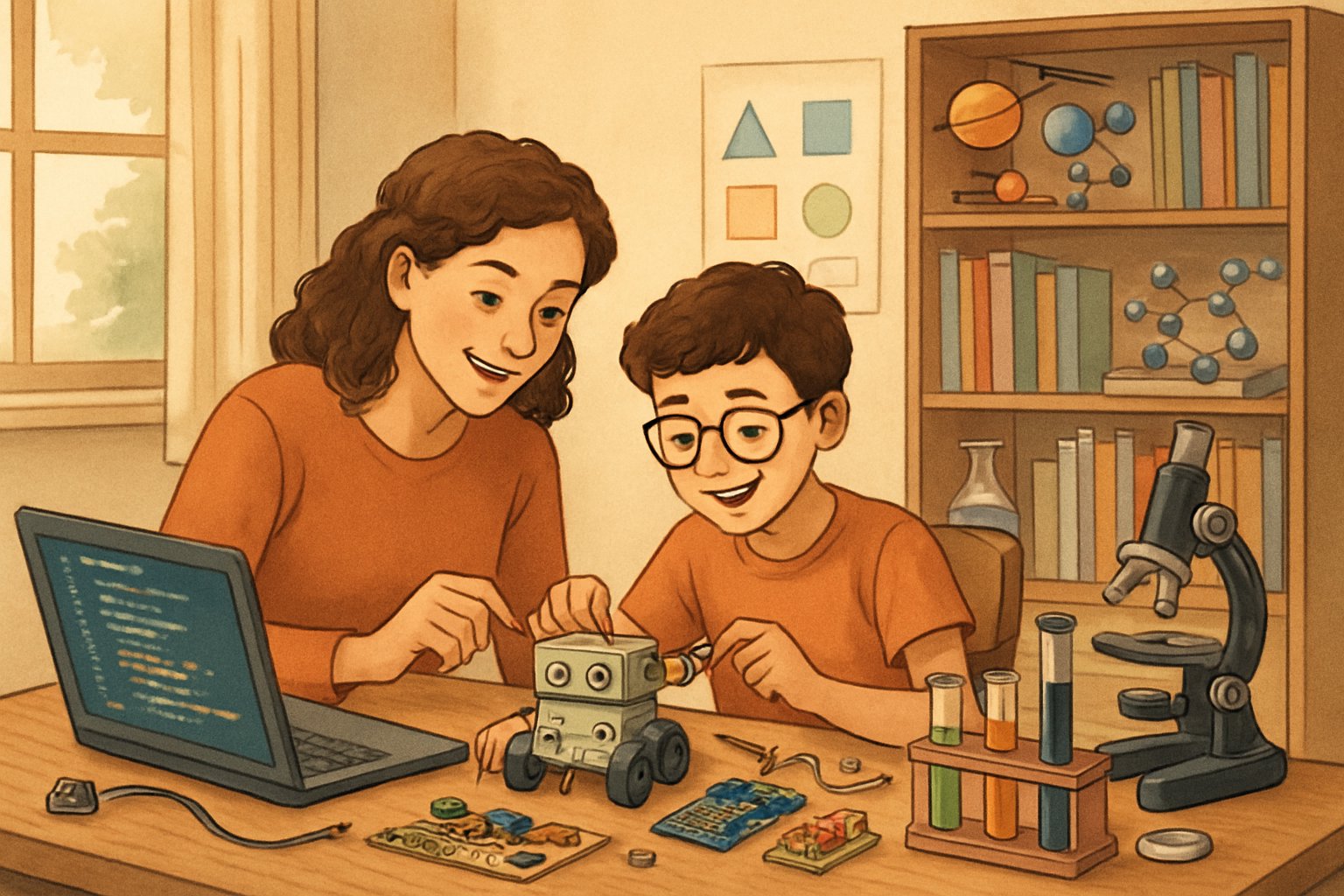
A parent and child working together on STEM projects at a table filled with robotics, coding, and science materials in a bright homeschool room.

Families can make STEM learning a natural part of everyday life by combining creative hands-on projects, real experiments, and digital tools that spark curiosity. With a few simple adjustments, parents can develop lessons that build problem-solving, confidence, and curiosity without requiring advanced science backgrounds.

Hands-On STEM Activities and Projects

Hands-on learning engages children by letting them create, test, and explore concepts directly. Projects like designing paper bridges, building LEGO machines, or assembling small electronics kits teach engineering and measurement skills through play.

Children see how ideas move from sketches to working models. Parents can set up a tinkering area using affordable materials such as cardboard, rubber bands, tape, and craft sticks.

These spaces help children explore how structures hold weight or how circuits complete a loop. Families can also include weekly STEM challenges like an egg drop test or a “build the tallest tower” contest.

Planning short projects keeps lessons manageable. According to Clever Homeschool, consistent hands-on time helps kids retain concepts and build critical thinking.

Rotating activities between science, math, and engineering creates variety that keeps learning fresh.

Popular project ideas include:

Topic Example Project Key Skill
Engineering Build a cardboard bridge Structural design
Science Create a vinegar volcano Observation
Technology Assemble a light circuit Problem-solving

Incorporating Science Experiments and Engineering Challenges

Science experiments give children a clear view of cause and effect. Kitchen chemistry, such as combining baking soda and vinegar, makes chemical reactions visible.

Nature walks and weather journals teach observation and recording skills. Engineering challenges push exploration further.

Building paper airplanes, balloon rockets, or mini catapults lets kids test, adjust, and redesign. The process encourages persistence and curiosity.

Projects that fail at first often teach more than those that work right away. Parents can rotate experiments by subject to cover multiple STEM areas.

Pitsco suggests setting aside a few short sessions weekly to keep experiments fun without overwhelming schedules. Keeping safety gear—like goggles and gloves—on hand helps children learn responsible lab habits early.

Leveraging Online Curriculum, Apps, and Virtual Resources

Digital resources make STEM subjects easier to teach at home. Sites like Dropkick Math offer structured lessons that blend math, coding, and critical thinking.

Other online programs let children explore simulations that demonstrate complex ideas such as electricity, motion, or sound waves. Educational apps like Khan Academy Kids, Prodigy Math, and beginner-friendly coding platforms introduce skills step-by-step.

Children can practice problem sets or complete short missions that reward progress. Parents can track learning through built-in progress reports.

Virtual field trips and coding challenges connect homeschoolers to broader STEM communities. Robotics kits, coding games, and programs modeled on real-life innovation—like Tron-style logic puzzles—keep learners engaged.

Filed Under: Uncategorized

How to Use Literature-Based Curriculums to Teach Multiple Subjects Effectively

December 24, 2025 by Valerie Leave a Comment

Core Principles of Literature-Based Curriculums

An open book with colorful symbols representing different school subjects emerging from it, surrounded by students and a teacher in a classroom setting.

A literature-based homeschool curriculum helps students connect ideas across subjects using living books that inspire curiosity and understanding. This method encourages reading high-quality stories, exploring multiple subjects within those texts, and building deeper comprehension through discussion and reflection.

Understanding Living Books and Quality Literature

Living books are well-written works that spark imagination and emotion. They can be classic novels, historical fiction, or engaging nonfiction written by authors who care deeply about their topics.

Unlike dry textbooks, these books bring real people and events to life in an engaging way.

When selecting reading material, quality literature should meet key standards. It should:

Criteria Description
Engagement Captures interest and invites reflection
Depth Explores ideas beyond simple facts
Accuracy Reflects truth and avoids stereotypes
Writing Style Uses vivid language and clear storytelling

Many parents use this approach to teach language arts, history, and science through stories that blend academic content with emotional appeal. For examples of programs that use this approach, see The Definitive Guide to the Best Literature-Based Homeschool Curriculum.

Integration of Subjects Through Stories

Stories naturally connect subjects. A novel about a sea voyage can teach geography, science, and writing all at once.

Students can examine maps, study ocean currents, and write journal entries as if they were part of the expedition.

This cross-subject design saves time and builds meaningful connections between topics. It helps students see knowledge as a unified whole rather than isolated lessons.

According to the Hummingbird Homeschool explanation of literature-based learning, teachers can easily cover reading, writing, grammar, and vocabulary through one engaging book.

Hands-on projects also enhance learning. Students might create timelines, role-play historical figures, or design experiments inspired by the stories they read.

These experiences improve retention and keep learning engaging.

Benefits of a Literature-Based Approach

A literature-based homeschooling approach promotes both academic and emotional growth. Students practice critical thinking as they interpret character choices and analyze real-world issues shown in fiction.

It encourages empathy by allowing readers to experience life from different points of view. It also helps families tailor lessons to a child’s learning style.

Some focus on reading aloud together, while others rely on independent reading followed by discussion or written reflections.

Programs such as Top 23 Literature-Based Homeschool Curriculum Options note that this flexibility supports a natural pace and varied interests.

Strategies for Teaching Multiple Subjects with Literature

A teacher in a classroom uses a book to teach students multiple subjects, with symbols of math, science, history, and language arts around them.

Using literature as a foundation for instruction allows teachers to connect language arts, history, science, and even math through meaningful stories. When texts are chosen thoughtfully, students see how different subjects work together, strengthening both comprehension and problem‑solving skills.

Combining Subjects Around Central Themes

Teachers often design units around broad themes such as change, community, or exploration. Each subject connects naturally to the theme.

For example, while reading a historical novel about pioneers, students can study westward expansion in history and analyze maps in geography.

A literature-based curriculum can also support science by linking fictional stories with real‑world topics. For instance, lessons inspired by environmental tales can lead into experiments and discussions about ecosystems and conservation.

Integrating content this way helps students connect facts with context, improving retention and engagement.

Lesson planning becomes more cohesive when subjects share a guiding idea. The book acts as a central thread rather than an isolated activity, bringing together multiple disciplines.

Teachers can find more ideas for thematic integration in Effective Strategies for Literature-Based Learning.

Incorporating Writing, Grammar, and Spelling

Literature provides natural opportunities to teach essential language skills. After reading a short story or novel excerpt, students can complete writing assignments such as reflection journals, character letters, or alternate endings.

These tasks reinforce comprehension and creativity while supporting the overall language arts program.

Grammar and spelling lessons fit seamlessly into literature study. Teachers can identify sentences from the text to highlight grammar rules or vocabulary patterns.

Lists and mini‑activities help students notice parts of speech, punctuation choices, and style. A simple table like the one below may support instruction:

Skill Area Example Activity
Writing Compose a diary entry from a character’s viewpoint
Grammar Identify verb tense changes in dialogue
Spelling Practice words drawn from key vocabulary in the story

This blend of reading and language arts keeps lessons purposeful and connected to real text examples instead of isolated drills.

Customizing for Different Grade Levels

A flexible approach ensures that literature-based teaching fits every age group. Younger students may enjoy short picture books paired with simple craft projects, while older students might analyze complex novels or historical documents.

In early grades, focus on vocabulary building and reading comprehension through frequent discussion and retelling. For middle grades, teachers can include analytical writing assignments that explore theme, character development, or structure.

High school students benefit from independent projects or comparative essays that combine literary and subject-based analysis.

Adapting complexity and expectations helps maintain challenge without discouraging learners. Teachers can explore sample ideas for cross‑curricular planning in Cross Curricular Teaching Made Simple: 5 Ways to Connect Learning.

Popular Literature-Based Curriculums and Their Approaches

A teacher and diverse students gathered around a table with books and learning materials, engaging in a discussion that connects literature with subjects like science, geography, and math in a bright classroom.

Families can choose from many literature-based homeschool curriculums that vary in tone, philosophy, and structure. Each takes a distinct approach to using books as the core of learning, helping students connect ideas across language arts, history, and science in practical and meaningful ways.

Sonlight and BookShark

Sonlight and BookShark both focus on a complete, story-centered education using rich book lists instead of standard textbooks. Sonlight offers a Christian worldview, while BookShark provides a secular option.

Both include detailed instructor guides, reading schedules, and comprehension questions that make planning straightforward. These programs let families teach multiple ages together by cycling through history-based themes.

Sonlight blends Bible study and missionary biographies into lessons, while BookShark centers on high-quality literature and nonfiction. Each package includes language arts and social studies, often linking these subjects to shared reading.

Both offer curated book collections so parents can buy everything needed in one package. Their structure supports steady daily reading, encouraging children to engage deeply with texts.

More details can be found on the Homeschool Planning site.

Beyond the Page and Moving Beyond the Page

Beyond the Page and Moving Beyond the Page use literature to connect reading, writing, science, and social studies in hands-on ways. They invite students to think critically while relating stories to real-world themes.

Moving Beyond the Page provides complete units for younger grades and subject-specific sets for older students. It integrates inquiry-based projects and creative assignments that align with each book read.

This makes it easy for students to draw connections between fiction and academic subjects. Beyond the Page emphasizes independent learning for older ages while keeping lessons highly interactive.

Its mix of activity guides, project journals, and creative writing builds both comprehension and expression. Learn more at Homeschool Planning.

Oak Meadow, Build Your Library, and Beautiful Feet Books

Oak Meadow, Build Your Library, and Beautiful Feet Books bring flexibility and creativity to the homeschool experience. Oak Meadow uses a nature-based, arts-focused approach that appeals to families who value gentle, holistic education.

Its materials combine literature, science, and social studies in project-rich lessons. Build Your Library takes a secular stance, offering history-centered units that weave in writing, geography, and art.

It provides open-ended assignments and adaptable reading lists so families can tailor lessons to different ages. Beautiful Feet Books highlights faith-based literature with a focus on history.

It encourages children to see historical events through stories and biographies rather than dry chronology. These programs all show how a literature-based homeschool curriculum can make learning more personal.

Ambleside Online, Tapestry of Grace, and Simply Charlotte Mason

Ambleside Online, Tapestry of Grace, and Simply Charlotte Mason draw heavily from the Charlotte Mason educational philosophy. They emphasize narration, copywork, and nature study alongside literature.

Ambleside Online provides a free, structured program built around “living books.” Families can access full book lists and schedules online.

It aims to cultivate a lifelong love of reading and observation.

Tapestry of Grace blends classical learning with a chronological study of history using literature, geography, and writing. It is adaptable for students from kindergarten to high school.

Families can study the same time period together at different depth levels.

Simply Charlotte Mason simplifies planning with ready-to-use book lists and lesson plans. It prioritizes character development and gentle pacing.

Filed Under: Uncategorized

Top Homeschool Curriculums for Special Needs Learners: 2025 Guide

December 24, 2025 by Valerie Leave a Comment

Best Homeschool Curriculums for Special Needs Learners

A diverse group of children with special needs learning at home with an adult in a bright, organized room filled with educational materials and adaptive tools.

Families often choose special needs homeschooling because it allows children to learn at their own pace and in ways that fit their strengths. The most effective programs combine structure, flexibility, and hands-on learning to help students stay focused and confident.

All About Learning and Its Multisensory Approach

The All About Learning program supports homeschooling children with special needs through step-by-step reading and spelling lessons. It uses a multisensory approach, meaning students see, hear, and touch as they learn.

This helps those with dyslexia, ADHD, and auditory processing challenges better absorb information. The materials are scripted and easy for parents to follow, removing guesswork.

Students work through short, clear lessons and use letter tiles, flashcards, and repetition to build solid reading and spelling skills.

Key Features Benefits for Special Needs Learners
Multisensory tools Reinforces learning across multiple senses
Step-by-step instructions Reduces frustration for both child and parent
Mastery-based design Ensures skill confidence before moving forward

Parents appreciate that it requires no prior teaching experience. Children progress one skill at a time, building trust in the learning process.

Time4Learning: Flexible Online Curriculum Options

Time4Learning provides a flexible online curriculum for special needs children who benefit from structured lessons and engaging visuals. This self-paced system helps students with autism, ADHD, or learning differences manage their workload and track progress independently.

Lessons are interactive, covering subjects from math to language arts through animation and short quizzes. The platform is web-based, which means lessons are available anywhere, anytime—a feature parents of special needs learners find convenient.

The program’s automated grading and recordkeeping simplify the homeschool process. According to Exceptional Tots, strong adaptive methods and clear visual support make Time4Learning stand out among other special needs homeschooling options.

Math-U-See: Hands-On Math Mastery Programs

Math-U-See emphasizes hands-on learning with manipulatives that make abstract math concepts more concrete. Students use colored blocks and visual examples to see how numbers work together.

This is especially helpful for children with dyscalculia, ADHD, or other math-based learning difficulties. Each lesson focuses on mastery, not memorization.

The teacher’s manuals and video lessons guide parents step-by-step, ensuring that concepts are taught clearly and at the right pace for the learner. As noted on Homeschool Curriculum 101, Math-U-See is one of the most recommended math programs for special needs homeschooling because it builds understanding through repetition and visual aids.

Parents can adjust speed, review as needed, and help children enjoy math instead of feeling overwhelmed by it.

Customizing Curriculum to Fit Individual Learning Styles

Children engaged in different learning activities with a teacher providing personalized support in a homeschool environment.

Children learn best when their lessons reflect how they process information. A flexible homeschool approach can build confidence, reduce frustration, and make learning more effective for students with special needs.

Tailoring materials to each learner’s strengths supports steady growth and helps retain skills for long-term success.

Personalized Learning Paths and Individualized Learning

Personalized learning allows parents to match lessons to a child’s pace, interests, and needs. This approach focuses on how a child learns rather than how quickly they finish lessons.

Parents can combine online and hands-on resources to create customized goals that track progress across subjects. Programs like Moving Beyond the Page and BookShark use flexible pacing and diverse content to engage different learning styles.

Using visual, auditory, and kinesthetic tools helps students retain information in ways that feel natural. For instance, a visual learner may use diagrams or charts, while a kinesthetic learner benefits from experiments or building projects.

A simple plan may include:

  • Weekly progress tracking
  • Breaks for sensory activities
  • Alternate testing methods like oral responses

These adjustments make learning feel achievable and rewarding, especially for children who struggle in traditional classroom settings.

Life Skills Education and Adaptive Strategies

Teaching life skills is as important as academic instruction. Skills like organization, cooking, and time management help students become more independent.

Programs such as Skill Trek offer structured lessons covering practical abilities for everyday living. Parents can adapt lessons by using role-play, step-by-step videos, or household tasks tied to real-life scenarios.

For example, cooking lessons can include math when measuring ingredients. They can also offer reading practice from recipes.

Focus Area Example Activity
Personal Care Practice hygiene steps with visual prompts
Communication Role-play daily conversations
Problem Solving Plan a small project or weekly schedule

Filed Under: Uncategorized

How to Track Progress When Using Multiple Homeschool Curriculums: Tools and Best Practices

December 24, 2025 by Valerie Leave a Comment

Essential Strategies for Tracking Progress Across Multiple Homeschool Curriculums

Families managing several homeschool curriculums at once benefit from clear tracking systems that focus on measurable results, organized documentation, and flexible tools suited to different learning styles.

Combining structure with simple record-keeping helps parents and students stay consistent and confident in their academic progress.

Setting Measurable Academic Goals for Each Curriculum

Setting measurable goals gives families a clear picture of what each student should achieve.

Each homeschool curriculum often defines learning outcomes differently, so parents should translate broad objectives into specific, trackable skills or milestones.

For example, rather than saying “improve writing,” define the goal as “write a coherent five-paragraph essay by March.”

Breaking down goals into short-term, medium-term, and long-term checkpoints helps avoid confusion when using multiple resources.

Some parents use digital systems like Homeschool Planet to record goals and automatically adjust timelines.

A simple table can help organize these objectives:

SubjectCurriculumGoalTarget DateProgress Notes
MathCTC MathMaster fractionsFeb 1570% lessons complete
ScienceTime4LearningComplete unit on ecosystemsMar 10On pace

Tracking goals this way allows quick reviews and encourages honest reflection on learning outcomes rather than just grades.

Creating Consistent Checklists and Rubrics

Checklists give structure to homeschool progress tracking, especially when juggling multiple grade levels or curriculums.

A shared checklist format prevents overlooked tasks and creates routine in daily studies.

Parents can list assignments, reading pages, projects, and review sessions to visualize workload for each student.

Rubrics provide more detailed insight into how well students are meeting learning expectations.

By using clear performance criteria—such as comprehension, accuracy, and effort—parents can assess success objectively.

Platforms like 9 Essential Homeschool Management Tool Picks for 2025 emphasize how digital tools simplify creating and scoring rubrics for several subjects.

A consistent checklist and rubric practice gives both teacher and student clarity.

It also boosts accountability and reduces stress because everyone understands exactly what is being measured.

Maintaining Organized Portfolios and Samples

Portfolios are central to homeschool record-keeping.

They show growth over time and satisfy reporting or transcript requirements.

An organized portfolio should include worksheets, project photos, writing samples, and test records.

Parents may choose either digital or physical formats depending on storage preference.

Digital tools like HomeSchoolReporting.com make it easier to archive portfolios securely while tracking lessons and attendance.

Many families use online folders divided by subject and term to track trends in quality and completeness.

For families who prefer paper, simple binders or accordion files categorized by curriculum work well.

Keeping a balance of high-scoring and developing work shows progress honestly and reveals where more support may be needed.

Regularly reviewing samples with the student encourages reflection and goal-setting for the next phase.

Utilizing Reading Logs to Monitor Literacy Growth

Reading logs are a simple yet powerful method for tracking literacy within any homeschool curriculum.

They record titles read, time spent, and comprehension notes, helping identify interests and learning gaps.

A structured log might include date, book title, author, page count, and student reflections.

Younger students can add illustrated responses or a star rating system to keep them motivated.

Older learners may include summaries or connections to other subjects.

Parents using programs like Homeschooling Multiple Children: Strategies for Success often find shared reading logs helpful for coordinating group discussions.

Consistent use of reading logs supports skill growth in vocabulary, comprehension, and reading stamina.

Over time, they become a living record of literacy development, making it easy to evaluate how each student progresses through different learning styles and academic stages.

Top Tools and Methods to Simplify Multi-Curriculum Progress Tracking

Families who use more than one homeschool program often need an efficient way to manage assignments, grades, and learning goals.

Using digital tools and built‑in progress trackers can reduce record‑keeping stress and keep multiple learning paths organized.

Choosing Digital Progress Trackers and Planners

Digital homeschool planners help parents centralize records for several subjects or curriculums.

Tools like Homeschool Planet and Homeschool Tracker both allow users to schedule lessons, record grades, and monitor attendance in one place.

Homeschool Planet can automatically adjust schedules when activities change, saving time on rescheduling.

Homeschool Tracker offers in‑depth customization for detailed reporting and transcript creation.

Parents who prefer simplicity may choose Scholaric, which keeps lesson tracking clean and direct.

Homeschool Minder adds secure cloud backup, ensuring data remains safe.

For those who enjoy visual organization, Trello or Notion templates can be tailored for homeschool planning.

Each tool varies in workflow style, so families can pick the format that best fits their routine.

Comparison Snapshot

ToolBest ForKey Feature
Homeschool PlanetFamilies managing multiple subjectsAutomatic schedule updates
Homeschool TrackerDetailed plannersCustom reports and transcripts
ScholaricMinimalistsSimple gradebooks
Homeschool MinderBusy parentsCloud storage and pre‑made reports

Leveraging Built-In Reporting Features from Online Curriculums

Many online programs now include built‑in tools that automatically record lesson progress and grades.

Platforms such as Time4Learning and IXL track student performance in real time and display results on visual dashboards.

These dashboards help parents identify gaps or strengths without manually entering data.

For example, Time4Learning’s automated tracking gives detailed lesson histories across subjects, while IXL uses diagnostic tools to tailor lessons to each learner.

Families using online Christian curriculums like Monarch or BJU Press also benefit from built‑in attendance and grading reports.

To combine multiple curriculums, parents can export or screenshot these reports and store them within centralized trackers such as Homeschool Minder or Homeschool Hall for simpler record‑keeping.

Selecting the Right Tool for Your Family’s Needs

Choosing the right tracking tool requires balancing flexibility, reporting depth, and personal comfort with technology.

Families who juggle textbooks, online modules, and project‑based learning benefit most from adaptable platforms that can handle varied input types.

Parents focused on high school preparation often value transcript tools like Transcript Maker, which automatically formats GPAs and organizes courses.

Tech‑savvy users might prefer customizable systems like Notion or Google Sheets, while those who need structure can rely on automated planners like Homeschool Planet.

To decide, families can list essential needs—grade tracking, portfolio creation, multi‑student support—and match them with tool features.

Scheduling and monitoring all in one hub turns complex homeschool planning into a smoother, more consistent routine.

Effective Scheduling and Planning for Multiple Homeschool Programs

Families who use more than one homeschool curriculum benefit from clear planning systems that balance structure with flexibility.

Strong organization helps children complete their work consistently while giving parents a reliable way to record academic progress.

Developing Routines That Support Consistent Documentation

Daily routines make homeschool planning easier to maintain across subjects and grade levels.

Families can use rotation schedules—such as those outlined in homeschool schedule templates for multiple kids—to guide one-on-one instruction, group projects, and individual work.

This approach keeps lessons moving smoothly while freeing time to document progress at regular intervals.

Tracking tools such as spreadsheets, paper planners, or online programs like Homeschool Planet can record grades, attendance, and achievements.

Parents can review this data weekly to adjust goals or note growth over time.

A simple method is to assign specific times for documentation.

For example:

DayTaskRecord Type
MondayReview math assignmentsGrade Sheet
WednesdayLog reading progressWeekly Summary
FridayUpdate attendanceAttendance Tracker

Consistent routines reduce stress because they prevent records from piling up.

When documentation becomes part of everyday scheduling, it supports accountability for both parent and student.

Adapting Schedules for Different Learning Styles

Every child processes information differently, so flexible scheduling helps match instruction to individual learning styles. Visual learners may benefit from charts and daily planners.

Kinesthetic learners often respond better to short lessons followed by hands-on projects. Parents can group subjects like science or art for collaborative learning.

Independent study blocks can be reserved for subjects that need personalized instruction. Ideas from effective scheduling guides suggest rotating focus times so each child receives attention suited to their needs.

Using short work periods, quiet zones, or adjustable start times helps children focus more effectively. These adaptations make multiple homeschool curriculums manageable by respecting how each learner works best.

Filed Under: Uncategorized

What is Waldorf Homeschooling? Nurturing Creativity and Imagination at Home

November 12, 2025 by Valerie Leave a Comment

Key Principles of Waldorf Homeschooling

A parent and child doing creative activities together in a cozy, sunlit room filled with natural materials, art supplies, and plants.

Waldorf homeschooling centers on nurturing the whole child—mind, body, and spirit. It encourages creativity, hands-on learning, and a balanced rhythm to daily life. This approach values imagination, nature, and developmentally appropriate teaching rather than early academic pressure or heavy screen use.

Holistic Education and Child Development

The Waldorf method, founded by Rudolf Steiner, views education as a journey that unfolds in stages. Each phase of childhood has specific needs, and lessons match these stages to support balanced growth.

In early childhood, learning happens through imitation and play. During the grade years, storytelling and artistic work help children explore academic ideas in a meaningful way.

Teachers or parents who follow Waldorf education often plan lessons that engage the head, heart, and hands—thinking, feeling, and doing. This balance helps children develop intellectually, emotionally, and physically.

A Waldorf homeschool may include activities like painting, handcrafts, and movement exercises to strengthen focus and coordination. Such practices reflect the belief that education should nurture the whole person, not just academic performance.

Role of Imagination and Creativity

Imagination plays a central role in Waldorf homeschooling. Instead of relying on textbooks, parents often use stories, art, and music to spark curiosity. Lessons are presented artistically to help ideas come alive for the child.

According to Homeschooler Pro, the Waldorf method cultivates imagination and moral responsibility through creative expression. Children might paint a math concept, act out a history story, or learn science through observation and drawing.

This approach helps children connect emotionally to what they learn. It also encourages flexible thinking and problem-solving. By presenting lessons in an artistic and narrative way, parents help children see learning as joyful and meaningful rather than routine or forced.

Minimal Use of Technology

Waldorf homeschooling encourages limited use of screens, especially in early childhood. The focus stays on hands-on, sensory-rich experiences that support real-world learning.

As noted by Our Homeschool Resources, Waldorf philosophy values play, movement, and creativity over digital interaction. Children may spend more time crafting, cooking, or building rather than using computers or tablets.

This approach helps develop attention, patience, and imagination naturally. When technology is introduced later, it’s done intentionally and with purpose—usually after children have built strong foundational skills in focus and creativity.

Connection to Nature and Seasonal Rhythms

A strong connection to nature is at the heart of Waldorf education. Families often follow the rhythm of the seasons, celebrating seasonal festivals and spending time outdoors.

Activities like gardening, nature walks, and observing weather patterns help children understand the cycles of the earth. This rhythm creates a sense of stability and harmony in daily life.

According to ABCmouse, integrating art, nature, and rhythm encourages holistic development. In Waldorf homeschooling, these natural patterns guide lessons and daily routines, helping children feel grounded and connected to the world around them.

Essential Elements of the Waldorf Homeschooling Approach

A parent and child doing a creative craft together in a cozy, nature-inspired homeschooling room filled with wooden toys, plants, and art supplies.

Waldorf homeschooling encourages children to learn through doing, creating, and exploring. It blends academics with art, movement, and nature to support emotional, intellectual, and practical growth.

Experiential Learning and Main Lesson Blocks

In the Waldorf method of homeschooling, lessons center on experiential learning. Children learn through hands-on activities rather than memorization. This approach helps them connect ideas to real experiences.

A key feature of the Waldorf curriculum is the use of main lesson blocks, where one subject is studied deeply for several weeks. This rhythm allows students to focus fully on a topic before moving to another.

For example, a child might explore botany through gardening, sketching plants, and writing about them. This method supports understanding and retention. The Waldorf Homeschool Method emphasizes developing the “head, heart, and hands,” balancing thinking, feeling, and doing.

Storytelling and Imaginative Play

Storytelling is central to Waldorf homeschooling. Teachers and parents use folk tales, fables, and myths to introduce moral lessons and academic ideas. Listening to stories builds language, memory, and empathy.

Children often act out these stories through imaginative play, turning learning into a creative process. This kind of play fosters problem-solving skills and emotional awareness.

In the Waldorf style of learning, imagination is seen as a foundation for intellectual growth. When children imagine, they practice thinking flexibly and creatively—skills that help them approach challenges with confidence.

Creative Arts: Painting, Drawing, and Music

The creative arts form a core part of the Waldorf method of homeschooling. Subjects like painting, drawing, and music are not separate from academics—they are woven into daily lessons.

For example, students may illustrate a math concept through color and form or learn history through songs. This artistic approach, as described in Waldorf Homeschooling, nurtures creativity and helps children express understanding in personal ways.

A simple table shows how arts connect to subjects:

Art Form Example Integration
Painting Depicting plant growth in science
Drawing Creating geometric forms in math
Music Learning rhythm through poetry recitation

These activities engage both logic and emotion, helping children experience learning as a living process.

Movement and Outdoor Activities

Movement is essential in Waldorf homeschooling. Activities like circle games, handwork, and dance build coordination and focus. Physical rhythm supports mental rhythm, which helps children learn more easily.

Outdoor activities also play a major role. Time in nature strengthens observation skills and deepens respect for the environment. Many families use nature walks or gardening as part of their daily lessons.

According to ABCmouse’s overview of Waldorf homeschooling, learning outdoors nurtures creativity and holistic development. These experiences teach children to connect with the world around them while developing physical health and emotional balance.

Daily Life and Learning in a Waldorf Homeschool

A child drawing at a wooden table in a bright room with natural materials and an adult guiding them, surrounded by books, plants, and handmade educational items.

A Waldorf homeschool day moves with a gentle rhythm that balances focused learning, creative work, and time in nature. Parents guide lessons through storytelling, art, and practical activities that connect children to real experiences instead of screens or worksheets.

Establishing Rhythm and Routine

Families using the Waldorf homeschool method often follow a daily rhythm rather than a strict schedule. This rhythm gives children a sense of security and flow throughout the day.

A typical morning might include:

  • Circle time with songs and movement
  • Main lesson block focusing on one subject for several weeks
  • Outdoor play or nature walk after lessons

Afternoons often feature handwork, music, or art. Evenings slow down with reading or storytelling.

Each day of the week may have a theme—painting on Monday, baking on Tuesday, or gardening on Wednesday. Seasonal changes also shape the rhythm, with crafts and stories tied to nature’s cycles. This predictable flow helps children feel calm and grounded while still leaving room for creativity and exploration.

Parent as Guide and Observer

In Waldorf homeschooling, the parent acts as both teacher and learner. They guide lessons but also observe the child’s mood, interests, and growth. This approach creates a warm, trusting relationship that supports learning through connection rather than pressure.

Parents often prepare lessons ahead of time using a Waldorf curriculum but adapt them based on the child’s needs. They present new material through stories, art, or movement, allowing the child to experience concepts before analyzing them.

Observation is key. Parents notice how the child responds to rhythm, art, and play, adjusting the pace or activities accordingly. This reflective teaching style builds confidence and encourages self-directed learning.

Integrating Real-World Experiences

Waldorf homeschooling values learning through doing. Children engage in daily life tasks that connect lessons to the real world.

Examples include:

Activity Learning Connection
Baking bread Fractions, patience, sensory learning
Gardening Science, responsibility, observation
Handcrafts Fine motor skills, focus, creativity

Families often spend time outdoors, where nature becomes the classroom. According to Open Waldorf, integrating these experiences nurtures mindfulness and appreciation for the environment.

By blending academics with meaningful work, children see learning as part of everyday life, not something separate from it.

Filed Under: Uncategorized

  • « Go to Previous Page
  • Page 1
  • Interim pages omitted …
  • Page 6
  • Page 7
  • Page 8
  • Page 9
  • Page 10
  • Interim pages omitted …
  • Page 24
  • Go to Next Page »

Primary Sidebar

Free Photo Lessons for Kids

Photo Lessons for kids

Categories

  • Photography
  • Preschool
  • Reading
  • Uncategorized
A child and parent working together on a science experiment at home using materials from a subscription box in a bright, organized study area.

Subscription Boxes As Curriculum: What Actually Works

Can A Monthly Kit Count As Real Curriculum? The honest answer is: it depends entirely on what … [Read More...] about Subscription Boxes As Curriculum: What Actually Works

A parent and child reviewing homeschool books together in a cozy study area with shelves of used educational materials and a tablet showing an online marketplace.

How To Buy And Sell Used Homeschool Curriculum On A Budget

Choose Materials With Savings In Mind The curriculum you pick determines how much you can save when … [Read More...] about How To Buy And Sell Used Homeschool Curriculum On A Budget

An illustration showing two classrooms side by side: one where students focus deeply on one math topic with a teacher's guidance, and another where students work on multiple math topics repeatedly in a spiral pattern.

Mastery Vs. Spiral Math: Choosing The Right Fit

How The Two Approaches Differ In Real Lessons The difference between spiral math and mastery math … [Read More...] about Mastery Vs. Spiral Math: Choosing The Right Fit

Students taking tests in a classroom while a teacher observes and takes notes, with visual symbols of timing and decision-making around them.

Curriculum Placement Tests: When and How to Use Them Well

What Placement Tests Tell You and When to Use Them Placement tests and standardized tests serve … [Read More...] about Curriculum Placement Tests: When and How to Use Them Well

A teacher reviewing a detailed curriculum planner spread out on a desk with educational tools around.

Scope and Sequence Explained: A Practical Planning Guide For Curriculum Planning

What Scope and Sequence Means in Real Curriculum Planning A scope and sequence is one of the most … [Read More...] about Scope and Sequence Explained: A Practical Planning Guide For Curriculum Planning

A family sitting at a kitchen table surrounded by homeschooling supplies, receipts, and a laptop, discussing and planning their homeschooling budget.

The Hidden Costs of Homeschool Curriculums and Smart Budgeting

What Families Actually Pay Beyond Curriculum The sticker price of a homeschool curriculum rarely … [Read More...] about The Hidden Costs of Homeschool Curriculums and Smart Budgeting

A parent and child working together at a table with books and a laptop in a bright room, with a bulletin board displaying charts and papers in the background.

How To Align Your Homeschool Curriculum With State Standards

What "Aligned To Standards" Actually Means At Home Standards alignment in homeschooling is not … [Read More...] about How To Align Your Homeschool Curriculum With State Standards

A parent and child working together on a homeschool lesson using a tablet with AI assistance in a bright study area.

Using AI To Enhance Your Homeschool Curriculum With ChatGPT

Build Customized Lessons With ChatGPT First ChatGPT can help you build a homeschool curriculum that … [Read More...] about Using AI To Enhance Your Homeschool Curriculum With ChatGPT

A group of children and adults of different ages working together around a table with educational materials in a bright learning space.

Family-Style Curriculums For Teaching Multiple Ages At Once

What Makes A Curriculum Work Across Multiple Ages A strong family-style homeschool curriculum saves … [Read More...] about Family-Style Curriculums For Teaching Multiple Ages At Once

A group of young people using digital devices surrounded by symbols of coding and computer science in a modern learning environment.

Coding And Computer Science: Best Curriculums Reviewed

How To Choose The Right Learning Path First Your child's age, current skill level, and long-term … [Read More...] about Coding And Computer Science: Best Curriculums Reviewed