• Skip to primary navigation
  • Skip to main content
  • Skip to primary sidebar

Clever Homeschool

Fun courses based on your child's interests!

  • Home
  • Free Photo Lessons for Kids
  • “Get That Shot!” photo tags

Uncategorized

Unschooling vs. Structured Curriculum: Finding the Right Balance at Home

December 24, 2025 by Valerie Leave a Comment

Core Differences Between Unschooling and Structured Curriculum

A child exploring nature and creative activities on one side and a classroom with a teacher and students on the other, with a visual element symbolizing balance between the two educational approaches.

Unschooling and structured homeschooling share the goal of personalized education but take opposite paths in how they guide learning. One relies on natural curiosity and self-directed learning, while the other uses planned lessons and measurable progress to shape a child’s education.

Role of the Parent in Each Approach

Parents take very different roles in these methods. In unschooling, they act as facilitators who create rich environments and connect children with resources that feed their interests.

Instead of teaching set lessons, they answer questions, offer materials, and help plan projects that support child-led learning. In contrast, a structured curriculum requires parents to function more as instructors.

They design or follow a formal study plan, track progress, and ensure that academic goals align with grade-level standards. A parent teaching through a structured homeschooling program might use textbooks, daily schedules, and tests to guide their child through each subject.

The difference shows in time management, too. Structured teaching often involves 4–6 hours of direct instruction, while unschooling relies on more flexible, spontaneous engagement.

This variation affects family routines, record keeping, and how learning outcomes are evaluated.

How Self-Directed Learning Differs From Structured Lessons

Self-directed learning gives students full ownership of what and how they learn. Children explore real-life experiences, pursue hobbies, and learn academic skills as needed within their interests.

An unschooled child might study physics through building a skateboard ramp or learn writing by creating a blog about animals. In structured lessons, schedules and academic goals guide learning.

Subjects like math, language arts, and science appear in planned blocks, often measured by exams or projects. Programs such as traditional schooling in secondary education focus on standardized milestones that track progress.

The core distinction lies in motivation—self-directed learners act from curiosity, while structured learners follow teacher or parent guidance.

Typical Learning Environments for Both Methods

The learning environment shapes each method’s daily rhythm. Unschooling turns homes and communities into classrooms.

Museums, libraries, and outdoor spaces often serve as key resources. Activities like cooking, gardening, and volunteering become part of everyday education, as seen in examples from homeschool vs. unschooling comparisons.

A structured curriculum creates a more formal setting that mirrors traditional classrooms. Desks, schedules, and designated study materials help children stay organized.

Parents may set up subject-specific areas for reading, math, or science experiments.

Feature Unschooling Structured Curriculum
Setting Flexible, often outside home Dedicated indoor study area
Materials Everyday objects, online content Textbooks, worksheets
Schedule Adapted to curiosity Fixed daily plan

Each environment reflects its teaching philosophy—freedom and exploration versus structure and planning.

Balancing Freedom and Structure in Homeschooling

A child exploring nature and creative activities on one side, and another child studying with books and a checklist on the other, balanced by a scale symbolizing harmony between freedom and structure in homeschooling.

Families often adjust their teaching style to provide both flexibility and consistency. The most effective approaches combine core academic goals with adaptable learning experiences that respond to each child’s interests and pace.

Blending Traditional and Eclectic Homeschooling Methods

Many families find that eclectic homeschooling offers the best of both worlds. They draw from structured programs like classical education for core subjects such as math and grammar but mix in creative and hands-on studies for other areas.

Some parents follow a partial schedule using textbooks for core skills while letting children explore topics more freely during the afternoons. This allows flexibility without losing direction.

A sample balance could look like:

Time Focus Area Method
Morning Math, Language Arts Structured lessons
Afternoon Science, Art Interest-based exploration

Resources like Paths of Learning’s comparison of unschooling and structured methods explain how families can adjust plans without abandoning academic goals.

Incorporating Interest-Led and Project-Based Learning

Interest-led learning motivates students by letting them direct part of their education. They might dive into astronomy, woodworking, or computer coding, applying reading and math skills along the way.

Parents act as guides, helping them connect curiosity with useful knowledge. Project-based learning supports this by turning ideas into long-term tasks.

Building a garden, writing a family cookbook, or designing a small business plan can all count as structured yet creative projects. According to SelfDesign’s ideas on balancing freedom and structure, this balance fosters both self-motivation and accountability.

Small groups or family teams often work best on these projects, encouraging collaboration and critical thinking. The results give children confidence and a deeper grasp of real-world skills.

Progress Tracking Without Over-Scheduling

Tracking learning progress doesn’t have to mean rigid testing. Many homeschoolers use portfolios, learning journals, or rubrics to capture growth without constant deadlines.

Parents may list finished projects, reading logs, or skill checklists. This serves as documentation while keeping the focus on progress rather than perfection.

Some families use digital tools that track milestones over time. Balanced monitoring helps ensure accountability while avoiding burnout.

As noted in Balancing Structure and Flexibility in Homeschooling Classes, gentle routines paired with observation make assessment both simple and meaningful.

Practical Considerations for Your Family

A family learning space showing a child playing creatively and another child studying with a parent, illustrating a balance between unschooling and structured learning.

Families making choices about alternative education face several key factors. They must match their child’s learning style with the right teaching approach, understand local homeschooling laws, and create spaces that encourage curiosity and self-motivation.

Adapting to Your Child’s Learning Style

Every child processes information differently. Some learn best through hands-on projects, while others thrive through reading or listening.

Parents can track patterns in how their child responds to various tasks. For example, a visual learner may enjoy educational videos or charts, while a kinesthetic learner benefits from building models or conducting experiments.

Creating a customized routine that blends structured and flexible activities helps maintain balance. Families using either unschooling or structured homeschooling can choose from different homeschooling methods that fit their needs.

Keeping a journal of progress and preferences can guide future adjustments.

To make it easier, consider using a simple table to organize approaches:

Learning Style Helpful Activities Tools to Try
Visual Diagrams, videos, charts Flashcards, visual planners
Auditory Discussions, podcasts Audiobooks, recorded lessons
Kinesthetic Projects, experiments Science kits, art materials

Navigating Homeschooling Laws and Community Involvement

Before starting, parents must review homeschooling laws in their state or region. Requirements for recordkeeping, testing, and reporting vary widely.

Some areas expect a formal notice of intent, while others offer more flexibility. Websites like Learn Wise Daily provide helpful guides for understanding regulations and paperwork.

Many families find value in joining local co-ops or online homeschooling programs. These communities often share lesson plans, host study groups, and organize field trips.

Engaging with others keeps learning social and provides support for both parents and children. Community involvement also builds accountability.

When families collaborate, children experience teamwork and diverse perspectives. This exchange helps balance independence with real-world interaction.

Supporting Self-Motivation and Lifelong Learning

A strong education goes beyond academics. Supporting self-motivation helps children develop curiosity and persistence.

Parents can act as facilitators rather than authoritative teachers, as noted in The Parenting Pro’s discussion of unschooling essentials.

Using goal-setting exercises encourages responsibility. Short daily goals and long-term projects give structure without limiting freedom.

For example, setting weekly reading targets or tracking progress on a hobby allows children to experience measurable success.

To nurture lifelong learning, families can:

  • Provide access to libraries and online learning platforms.
  • Celebrate effort instead of only results.
  • Encourage reflection through journals or discussions.

Filed Under: Uncategorized

How to Evaluate and Change Your Homeschool Curriculum Mid-Year: A Practical Guide

December 24, 2025 by Valerie Leave a Comment

Evaluating Your Homeschool Curriculum Mid-Year

A parent and child working together in a homeschool study area, reviewing curriculum materials and schedules.

Families often find that a mid-year review helps them see how well their homeschool curriculum aligns with their goals and their child’s learning needs.

Taking time to assess progress, teaching methods, and the home learning environment can reveal what’s working and what may need to change for the rest of the homeschool year.

Signs Your Curriculum Isn’t Working

When a curriculum doesn’t fit, it usually shows in daily lessons. A child might resist learning, seem bored, or show frustration during study time.

Frequent tears or complaints often point to a mismatch between the material and the student’s learning style or pace. Parents can look for patterns such as low engagement, incomplete assignments, or falling behind schedule.

If lessons drag on or the child forgets what was covered soon after, these are signs of ineffective instruction. As explained in a post from Wiser Homeschool, recognizing what’s not working helps families make practical adjustments instead of scrapping the entire plan.

It can also help to record short notes during lessons about what goes smoothly and what doesn’t. Over time, this simple tracking reveals clear trends that point to whether a curriculum meets the child’s needs.

Conducting a Mid-Year Homeschool Review

A practical review gives a structured way to reflect on the first half of the homeschool year. Families can use a simple checklist or planner to measure whether their goals and schedule are realistic for their child’s pace and interests.

To begin, parents can write out all the subjects covered and mark what’s on track and what’s behind. This type of mid-year homeschool review helps determine how lessons balance across core topics like math, reading, and science.

Many families also include enrichment activities, such as music or art, since these show how well-rounded the curriculum is. A short meeting with the child adds valuable perspective.

Kids often provide honest feedback about which activities feel helpful and which feel too repetitive or confusing. Their insights can guide smarter adjustments going forward.

Assessing Academic Progress and Focus

Strong academic progress means more than finished worksheets. It depends on whether the child understands key concepts and stays focused during lessons.

Parents can check comprehension through short oral questions, informal tests, or completed projects. Progress tracking tools such as grade sheets, writing samples, or math journals make patterns easier to spot.

The guide from Kids on the Yard suggests comparing completed lessons to learning goals set at the start of the term. This helps measure consistency and focus in relation to pacing.

If focus drops frequently, families can look for causes such as lesson length, distractions, or the time of day instruction occurs. Adjusting these factors can lead to better attention and smoother daily routines.

Considering Teaching Methods and Learning Environment

Even a solid curriculum can fall short if the teaching approach or setting isn’t right. Some students thrive with interactive lessons, while others prefer independent reading or hands-on projects.

Adjusting delivery methods often improves engagement without changing materials entirely. Observation plays a key role here.

Parents can notice when their child learns best—morning vs. afternoon, group vs. solo, paper vs. digital. According to The Homeschool Chick, reviewing teaching strategies throughout the year helps align the environment with the student’s learning style.

Small changes like reorganizing the study space, reducing distractions, or adding regular movement breaks can strengthen focus. A calm, organized environment supports clearer thinking, steadier progress, and a more positive homeschooling experience.

Planning and Implementing a Curriculum Change

A person reviewing educational materials and a calendar at a desk in a home study area, planning changes to a homeschool curriculum.

Families can make mid-year curriculum changes without losing progress by setting clear goals, choosing materials that fit learning needs, and easing into new lesson plans.

Careful planning, gradual implementation, and ongoing evaluation help students stay confident and consistent with their homeschool routine.

When and How to Make the Switch

The best time to switch a homeschool curriculum is during natural breaks, such as after a grading period or holiday week. This pause allows families to reflect on what worked and what didn’t without interrupting active lessons.

Signs that a change is needed include declining motivation, uneven progress, and frustration during lessons. Parents can use short written reflections, quizzes, or progress logs to identify challenges.

If more than one subject seems off-track, it may be best to modify one area first before overhauling the entire plan. A structured process prevents burnout and confusion.

Creating a short checklist helps keep the transition organized:

Step Task Goal
1 Review student performance Identify gaps and strengths
2 Research new options Match materials to goals
3 Set a start date Allow time for preparation

Adopting a planned approach, such as those found in Steps to Implement a New Curriculum Successfully, ensures that adjustments are clear and manageable for both parent and child.

Choosing the Right Replacement Curriculum

Selecting a new homeschool curriculum should focus on learning styles, subject coverage, and pacing. Families should first define goals, such as developing stronger reading comprehension or improving math fluency.

Short trials, free samples, and online previews offer helpful insights into structure and difficulty level. It’s useful to look for programs that align with state or national learning standards, similar to those discussed in Evaluating a New Curriculum: A Guide for Educators.

Ensuring alignment helps keep progress consistent with long-term goals and makes future transitions smoother. When comparing materials, parents might make a simple list:

  • Core subjects: math, reading, science, writing
  • Optional subjects: foreign language, art, coding
  • Learning supports: online lessons, printed workbooks, tutor access

This structure helps match the curriculum to the child’s strengths and interests while ensuring balance across all subjects.

Transitioning Lesson Plans and Maintaining Continuity

After selecting the new curriculum, families should plan how to combine existing materials with new ones to maintain learning continuity. Short-term lesson overlaps—such as reviewing topics before introducing new content—help reinforce understanding.

Creating a transition plan with weekly goals ensures lessons stay on track. A parent might keep one old resource for revision while introducing new content gradually.

Tools such as digital planners or spreadsheets can help track tasks, homework, and assessments. Adapting the format from the Curriculum Implementation Guide can make lesson sequencing more transparent and manageable.

Maintaining communication with the student is essential. Asking for feedback, observing mood changes, and adjusting schedules when needed promote steady progress.

Filed Under: Uncategorized

The Benefits of Open-and-Go Homeschool Curriculums for Busy Parents: Simplifying Daily Learning

December 24, 2025 by Valerie Leave a Comment

Key Advantages of Open-and-Go Homeschool Curriculums

A parent helping a child with schoolwork at home while managing a laptop, surrounded by educational materials, showing an organized and bright learning environment.

Families who use open-and-go homeschool curriculums often appreciate how much time it saves, how consistent the lessons are, and how easy it is to transition into homeschooling. These programs combine ready-to-teach materials, structured plans, and built-in support, helping parents focus more on their children’s learning instead of constant lesson prep.

Time-Saving Daily Prep for Parents

An open-and-go homeschool curriculum removes much of the daily prep work that traditional homeschooling often demands. Parents can simply open the lesson guide and begin teaching without collecting materials or creating new plans.

This saves hours each week. For example, programs like Schoolio provide prearranged lessons with all needed resources listed.

A typical open-and-go setup includes prewritten lesson guides, answer keys, and activity sheets. Families may receive both print and digital formats, which makes scheduling smooth and flexible.

Key benefits of time-saving prep:

  • Minimal daily setup time
  • Clear step-by-step instructions
  • Predictable learning flow

This format works well for working parents or families with multiple children who need a straightforward, efficient routine.

Consistent and Structured Lesson Plans

The consistency of open-and-go homeschool curriculums is one of their strongest features. Each subject builds on the previous day’s work, creating a reliable pattern that reinforces learning.

Structured lesson plans reduce guesswork and give both parents and children a clear roadmap for progress. Many programs, including Sonlight, use literature-based plans or unit studies that tie reading, writing, and history together.

This integration keeps lessons connected across subjects while still maintaining daily balance. Parents appreciate that structured lessons follow a logical sequence and track skill development clearly.

Consistent planning helps children develop study habits and responsibility. Parents gain confidence in what comes next.

Less Stress and Simpler Transitions

Switching to homeschooling can feel overwhelming, especially for parents managing work or home duties. Open-and-go curricula help reduce that stress by guiding families step-by-step.

The ready-to-use materials prevent late-night lesson planning and uncertainty about what to cover next. Programs like Moving Beyond the Page make transitions smoother with flexible pacing and clearly labeled activities.

Parents know what to expect each day and can adapt lessons without rewriting them. A ready curriculum also keeps motivation high.

Less time spent planning means more energy for teaching, discussion, and connection. Fewer details to manage equals fewer chances of burnout for busy households.

Support for New and Experienced Homeschoolers

Both new and experienced homeschoolers gain reassurance from the built-in support found in open-and-go curriculums. New homeschooling parents can rely on detailed guides, suggested schedules, and online communities.

Experienced teachers appreciate how quickly they can implement the program while still personalizing lessons. Curriculums like The Good and the Beautiful and boxed curriculum packages such as BookShark often include parent tips, video tutorials, and assessment tools in their kits.

These help families adapt courses to different grade levels and learning speeds. Support tools also foster independence in students.

As children become familiar with the layout, they can manage certain parts of the lesson themselves. This frees parents for oversight instead of constant direction.

How Open-and-Go Programs Empower Independent Learning

A parent and child in a bright living room engaged in independent home learning with educational materials on a table.

An open-and-go homeschool curriculum helps learners grow more confident by giving them the tools and structure to take ownership of their studies. It promotes self-direction, problem-solving, and a pace that fits individual needs.

Fostering Student Autonomy

Students thrive when they have control over how they learn. Open-and-go programs, such as those listed in the 7 Best Open-and-Go Homeschool Curriculum Choices, give children clear guidance but leave space for choice and self-management.

Each lesson is laid out step by step, allowing them to follow schedules or move ahead independently. With fewer planning tasks for parents, children learn to track their progress and complete assignments with minimal intervention.

This process builds strong time-management habits and helps learners take responsibility for their education. Simple daily checklists or planner pages often come with these programs, encouraging personal accountability.

Over time, students gain the confidence to explore topics without waiting for constant direction. This fosters independent learning—a skill that benefits them both in homeschooling and in later academic or workplace settings.

Encouraging Critical Thinking and Problem-Solving

When used thoughtfully, open-and-go resources also strengthen critical thinking. Many include reading, writing, and discussion prompts that guide students to reason through ideas, not just memorize facts.

Programs like those highlighted in The Ultimate List of Open-and-Go Homeschool Curriculum often feature hands-on activities that require analysis, comparison, and evaluation. For instance, science lessons might ask students to observe a simple experiment, record results, and predict outcomes.

Literature-based assignments may encourage them to draw conclusions about characters or themes. These approaches build the habit of questioning and reasoning logically.

By solving real-world problems or answering open-ended tasks, learners practice doing rather than only reading. This active approach creates deeper engagement and longer-lasting understanding.

Flexible Pacing for Different Learning Styles

Every child learns differently. A key advantage of open-and-go homeschool curriculum options, such as those described by Schoolio’s All-in-One Curriculum Programs, is their built-in flexibility.

Families can speed up or slow down lessons without losing structure. Visual learners might benefit from illustrated workbooks, while auditory learners may use recorded materials or read-aloud sections.

Because everything is organized by day or week, it’s easy to adapt lessons to match a child’s natural rhythm. Flexible pacing reduces frustration and encourages consistency.

Students can revisit difficult lessons, repeat practice exercises, or skip material they’ve already mastered. This adaptability supports personalized growth and reinforces self-motivation—key elements in building strong, independent learners.

Curriculum Choices and Subject Coverage for Busy Parents

A parent and child working together at a desk with homeschooling materials and a calendar in a bright home office.

Families who need flexible homeschooling often turn to open‑and‑go programs that bundle complete lesson plans, ready‑made materials, and clear schedules. These programs cover everything from math and language arts to electives like art and science labs, helping busy parents save time while still giving their children a full education.

Popular All-In-One and Subject-Specific Options

Many open‑and‑go programs come ready to use with minimal setup. All‑in‑one curriculums such as Time4Learning or Power Homeschool let students move through online lessons in core subjects with built‑in grading tools.

Families who prefer printed books may like Masterbooks, BJU Press, or My Father’s World, which combine teacher guides and student books. Parents who want a faith‑infused approach often explore Apologia, Abeka, or Heart of Dakota, all known for Christian values and simple daily plans.

Others choose Moving Beyond the Page or Real Science Odyssey for secular, hands‑on learning. Subject‑specific programs like Teaching Textbooks, Saxon Math, or Mr. D Math focus only on math but fit easily into a larger plan.

Type Example Curriculums Format Prep Time
All‑in‑one Time4Learning, BJU Press, Masterbooks Online/Print Low
Subject‑specific Teaching Textbooks, Apologia Science Mixed Very low
Thematic/Literature‑based Sonlight, BookShark, Campfire Curriculum Print Moderate

Integration of Core Subjects and Electives

Open‑and‑go curriculums simplify teaching by blending language arts, math, science, and social studies with rich electives. Programs such as The Good and the Beautiful and Notgrass History integrate multiple subjects into a single plan.

A reading lesson might pair with history, or a short science project might include writing practice. Art, music, and literature‑based activities make learning more complete without extra planning.

Families using Sonlight or BookShark enjoy their literature‑driven approach, while SchoolhouseTeachers.com offers unit studies where electives like art and geography naturally fit into daily lessons. Some programs, like Campfire Curriculum or Wildwood Curriculum, encourage project‑based exploration that links different subjects around one topic.

This cross‑connection saves time and helps children see how academic ideas relate.

Secular vs. Christian Homeschool Curriculums

When choosing between secular and Christian homeschool curriculums, parents should focus on their family’s goals and values. Christian programs—like Abeka, Apologia, Veritas Press, and Generations—teach from a biblical worldview and often include Bible study or devotionals.

They appeal to families who want academic work tied closely to faith.

Secular curriculums—such as Moving Beyond the Page, Real Science Odyssey, and Schoolio—avoid religious content but still provide strong coverage in science and social studies.

These options support families seeking a neutral or science‑driven approach.

Some hybrid programs strike a balance. The Good and the Beautiful contains Christian themes but focuses heavily on moral values and family reading.

Others, like Time4Learning, stay entirely adaptable, letting parents add faith‑based or secular materials as needed.

Filed Under: Uncategorized

Incorporating STEM Curriculums into Your Homeschool: Engaging Strategies for Success

December 24, 2025 by Valerie Leave a Comment

Key Principles of STEM Education in Homeschooling

A parent and child working together at a desk with STEM materials including a laptop, science tools, math books, and engineering models in a bright homeschooling room.

Strong STEM education in homeschooling builds lifelong skills in problem-solving, creativity, and analytical thinking. It helps students connect science, technology, engineering, and math to real-world situations they encounter every day.

Benefits of STEM Learning for Homeschooled Students

Homeschool STEM programs offer flexibility to match a child’s pace and interests. Parents can personalize lessons to fit strengths and curiosity, encouraging deeper learning.

This individual approach allows students to spend more time on challenging ideas instead of rushing through a standard schedule. STEM education also supports hands-on, project-based experiences.

Simple experiments, model building, or digital design activities help reinforce abstract concepts. Students see how mathematics relates to coding or how engineering connects to environmental science.

By focusing on practical learning, homeschoolers build confidence and independence. They also strengthen transferable STEM skills such as data analysis, teamwork, and logical reasoning—qualities that prepare them for modern careers and future study.

Many programs, such as those discussed in Homeschool STEM – Embracing STEM Education in Homeschool, highlight how flexible learning supports both skill growth and curiosity.

Fostering Critical Thinking and Problem-Solving Skills

A strong STEM curriculum encourages students to ask questions, form hypotheses, and test their own ideas. STEM learning relies on practice and observation rather than memorization.

This helps develop critical thinking and practical problem-solving skills that apply beyond academics. In homeschooling, parents can guide their children through open-ended challenges.

For example, students can test how different materials affect bridge strength or explore basic coding to automate a small task. This kind of work promotes analysis, creativity, and persistence in facing unexpected results.

According to The Power of STEM Education in Homeschooling, inquiry-based activities make children active participants in their education. They learn to reason through problems independently while also seeing mistakes as useful parts of the learning process.

Starting STEM Early: Age-Appropriate Approaches

Introducing STEM education early helps children view science and math as natural parts of everyday life. For younger learners, simple experiments such as mixing baking soda and vinegar or building towers with blocks lay the groundwork for problem-solving.

Early lessons should focus on play, observation, and discovery instead of complex formulas. As children grow, projects can become more structured.

Middle school students might design a solar oven or use basic robotics kits, leading into high school courses that emphasize analysis and data-driven inquiry. Parents can combine subjects across the homeschool curriculum—for example, using math in art projects or linking technology to geography lessons.

Resources such as Incorporating STEM Activities into Your Homeschool Routine suggest that students gain long-term benefits when early experiences connect fun with learning. This gradual exposure builds confidence, preparing learners for advanced topics later in their homeschool STEM journey.

Practical Ways to Integrate STEM into Your Homeschool Curriculum

A parent and child working together on STEM projects at a table filled with robotics, coding, and science materials in a bright homeschool room.

Families can make STEM learning a natural part of everyday life by combining creative hands-on projects, real experiments, and digital tools that spark curiosity. With a few simple adjustments, parents can develop lessons that build problem-solving, confidence, and curiosity without requiring advanced science backgrounds.

Hands-On STEM Activities and Projects

Hands-on learning engages children by letting them create, test, and explore concepts directly. Projects like designing paper bridges, building LEGO machines, or assembling small electronics kits teach engineering and measurement skills through play.

Children see how ideas move from sketches to working models. Parents can set up a tinkering area using affordable materials such as cardboard, rubber bands, tape, and craft sticks.

These spaces help children explore how structures hold weight or how circuits complete a loop. Families can also include weekly STEM challenges like an egg drop test or a “build the tallest tower” contest.

Planning short projects keeps lessons manageable. According to Clever Homeschool, consistent hands-on time helps kids retain concepts and build critical thinking.

Rotating activities between science, math, and engineering creates variety that keeps learning fresh.

Popular project ideas include:

Topic Example Project Key Skill
Engineering Build a cardboard bridge Structural design
Science Create a vinegar volcano Observation
Technology Assemble a light circuit Problem-solving

Incorporating Science Experiments and Engineering Challenges

Science experiments give children a clear view of cause and effect. Kitchen chemistry, such as combining baking soda and vinegar, makes chemical reactions visible.

Nature walks and weather journals teach observation and recording skills. Engineering challenges push exploration further.

Building paper airplanes, balloon rockets, or mini catapults lets kids test, adjust, and redesign. The process encourages persistence and curiosity.

Projects that fail at first often teach more than those that work right away. Parents can rotate experiments by subject to cover multiple STEM areas.

Pitsco suggests setting aside a few short sessions weekly to keep experiments fun without overwhelming schedules. Keeping safety gear—like goggles and gloves—on hand helps children learn responsible lab habits early.

Leveraging Online Curriculum, Apps, and Virtual Resources

Digital resources make STEM subjects easier to teach at home. Sites like Dropkick Math offer structured lessons that blend math, coding, and critical thinking.

Other online programs let children explore simulations that demonstrate complex ideas such as electricity, motion, or sound waves. Educational apps like Khan Academy Kids, Prodigy Math, and beginner-friendly coding platforms introduce skills step-by-step.

Children can practice problem sets or complete short missions that reward progress. Parents can track learning through built-in progress reports.

Virtual field trips and coding challenges connect homeschoolers to broader STEM communities. Robotics kits, coding games, and programs modeled on real-life innovation—like Tron-style logic puzzles—keep learners engaged.

Filed Under: Uncategorized

How to Use Literature-Based Curriculums to Teach Multiple Subjects Effectively

December 24, 2025 by Valerie Leave a Comment

Core Principles of Literature-Based Curriculums

An open book with colorful symbols representing different school subjects emerging from it, surrounded by students and a teacher in a classroom setting.

A literature-based homeschool curriculum helps students connect ideas across subjects using living books that inspire curiosity and understanding. This method encourages reading high-quality stories, exploring multiple subjects within those texts, and building deeper comprehension through discussion and reflection.

Understanding Living Books and Quality Literature

Living books are well-written works that spark imagination and emotion. They can be classic novels, historical fiction, or engaging nonfiction written by authors who care deeply about their topics.

Unlike dry textbooks, these books bring real people and events to life in an engaging way.

When selecting reading material, quality literature should meet key standards. It should:

Criteria Description
Engagement Captures interest and invites reflection
Depth Explores ideas beyond simple facts
Accuracy Reflects truth and avoids stereotypes
Writing Style Uses vivid language and clear storytelling

Many parents use this approach to teach language arts, history, and science through stories that blend academic content with emotional appeal. For examples of programs that use this approach, see The Definitive Guide to the Best Literature-Based Homeschool Curriculum.

Integration of Subjects Through Stories

Stories naturally connect subjects. A novel about a sea voyage can teach geography, science, and writing all at once.

Students can examine maps, study ocean currents, and write journal entries as if they were part of the expedition.

This cross-subject design saves time and builds meaningful connections between topics. It helps students see knowledge as a unified whole rather than isolated lessons.

According to the Hummingbird Homeschool explanation of literature-based learning, teachers can easily cover reading, writing, grammar, and vocabulary through one engaging book.

Hands-on projects also enhance learning. Students might create timelines, role-play historical figures, or design experiments inspired by the stories they read.

These experiences improve retention and keep learning engaging.

Benefits of a Literature-Based Approach

A literature-based homeschooling approach promotes both academic and emotional growth. Students practice critical thinking as they interpret character choices and analyze real-world issues shown in fiction.

It encourages empathy by allowing readers to experience life from different points of view. It also helps families tailor lessons to a child’s learning style.

Some focus on reading aloud together, while others rely on independent reading followed by discussion or written reflections.

Programs such as Top 23 Literature-Based Homeschool Curriculum Options note that this flexibility supports a natural pace and varied interests.

Strategies for Teaching Multiple Subjects with Literature

A teacher in a classroom uses a book to teach students multiple subjects, with symbols of math, science, history, and language arts around them.

Using literature as a foundation for instruction allows teachers to connect language arts, history, science, and even math through meaningful stories. When texts are chosen thoughtfully, students see how different subjects work together, strengthening both comprehension and problem‑solving skills.

Combining Subjects Around Central Themes

Teachers often design units around broad themes such as change, community, or exploration. Each subject connects naturally to the theme.

For example, while reading a historical novel about pioneers, students can study westward expansion in history and analyze maps in geography.

A literature-based curriculum can also support science by linking fictional stories with real‑world topics. For instance, lessons inspired by environmental tales can lead into experiments and discussions about ecosystems and conservation.

Integrating content this way helps students connect facts with context, improving retention and engagement.

Lesson planning becomes more cohesive when subjects share a guiding idea. The book acts as a central thread rather than an isolated activity, bringing together multiple disciplines.

Teachers can find more ideas for thematic integration in Effective Strategies for Literature-Based Learning.

Incorporating Writing, Grammar, and Spelling

Literature provides natural opportunities to teach essential language skills. After reading a short story or novel excerpt, students can complete writing assignments such as reflection journals, character letters, or alternate endings.

These tasks reinforce comprehension and creativity while supporting the overall language arts program.

Grammar and spelling lessons fit seamlessly into literature study. Teachers can identify sentences from the text to highlight grammar rules or vocabulary patterns.

Lists and mini‑activities help students notice parts of speech, punctuation choices, and style. A simple table like the one below may support instruction:

Skill Area Example Activity
Writing Compose a diary entry from a character’s viewpoint
Grammar Identify verb tense changes in dialogue
Spelling Practice words drawn from key vocabulary in the story

This blend of reading and language arts keeps lessons purposeful and connected to real text examples instead of isolated drills.

Customizing for Different Grade Levels

A flexible approach ensures that literature-based teaching fits every age group. Younger students may enjoy short picture books paired with simple craft projects, while older students might analyze complex novels or historical documents.

In early grades, focus on vocabulary building and reading comprehension through frequent discussion and retelling. For middle grades, teachers can include analytical writing assignments that explore theme, character development, or structure.

High school students benefit from independent projects or comparative essays that combine literary and subject-based analysis.

Adapting complexity and expectations helps maintain challenge without discouraging learners. Teachers can explore sample ideas for cross‑curricular planning in Cross Curricular Teaching Made Simple: 5 Ways to Connect Learning.

Popular Literature-Based Curriculums and Their Approaches

A teacher and diverse students gathered around a table with books and learning materials, engaging in a discussion that connects literature with subjects like science, geography, and math in a bright classroom.

Families can choose from many literature-based homeschool curriculums that vary in tone, philosophy, and structure. Each takes a distinct approach to using books as the core of learning, helping students connect ideas across language arts, history, and science in practical and meaningful ways.

Sonlight and BookShark

Sonlight and BookShark both focus on a complete, story-centered education using rich book lists instead of standard textbooks. Sonlight offers a Christian worldview, while BookShark provides a secular option.

Both include detailed instructor guides, reading schedules, and comprehension questions that make planning straightforward. These programs let families teach multiple ages together by cycling through history-based themes.

Sonlight blends Bible study and missionary biographies into lessons, while BookShark centers on high-quality literature and nonfiction. Each package includes language arts and social studies, often linking these subjects to shared reading.

Both offer curated book collections so parents can buy everything needed in one package. Their structure supports steady daily reading, encouraging children to engage deeply with texts.

More details can be found on the Homeschool Planning site.

Beyond the Page and Moving Beyond the Page

Beyond the Page and Moving Beyond the Page use literature to connect reading, writing, science, and social studies in hands-on ways. They invite students to think critically while relating stories to real-world themes.

Moving Beyond the Page provides complete units for younger grades and subject-specific sets for older students. It integrates inquiry-based projects and creative assignments that align with each book read.

This makes it easy for students to draw connections between fiction and academic subjects. Beyond the Page emphasizes independent learning for older ages while keeping lessons highly interactive.

Its mix of activity guides, project journals, and creative writing builds both comprehension and expression. Learn more at Homeschool Planning.

Oak Meadow, Build Your Library, and Beautiful Feet Books

Oak Meadow, Build Your Library, and Beautiful Feet Books bring flexibility and creativity to the homeschool experience. Oak Meadow uses a nature-based, arts-focused approach that appeals to families who value gentle, holistic education.

Its materials combine literature, science, and social studies in project-rich lessons. Build Your Library takes a secular stance, offering history-centered units that weave in writing, geography, and art.

It provides open-ended assignments and adaptable reading lists so families can tailor lessons to different ages. Beautiful Feet Books highlights faith-based literature with a focus on history.

It encourages children to see historical events through stories and biographies rather than dry chronology. These programs all show how a literature-based homeschool curriculum can make learning more personal.

Ambleside Online, Tapestry of Grace, and Simply Charlotte Mason

Ambleside Online, Tapestry of Grace, and Simply Charlotte Mason draw heavily from the Charlotte Mason educational philosophy. They emphasize narration, copywork, and nature study alongside literature.

Ambleside Online provides a free, structured program built around “living books.” Families can access full book lists and schedules online.

It aims to cultivate a lifelong love of reading and observation.

Tapestry of Grace blends classical learning with a chronological study of history using literature, geography, and writing. It is adaptable for students from kindergarten to high school.

Families can study the same time period together at different depth levels.

Simply Charlotte Mason simplifies planning with ready-to-use book lists and lesson plans. It prioritizes character development and gentle pacing.

Filed Under: Uncategorized

Top Homeschool Curriculums for Special Needs Learners: 2025 Guide

December 24, 2025 by Valerie Leave a Comment

Best Homeschool Curriculums for Special Needs Learners

A diverse group of children with special needs learning at home with an adult in a bright, organized room filled with educational materials and adaptive tools.

Families often choose special needs homeschooling because it allows children to learn at their own pace and in ways that fit their strengths. The most effective programs combine structure, flexibility, and hands-on learning to help students stay focused and confident.

All About Learning and Its Multisensory Approach

The All About Learning program supports homeschooling children with special needs through step-by-step reading and spelling lessons. It uses a multisensory approach, meaning students see, hear, and touch as they learn.

This helps those with dyslexia, ADHD, and auditory processing challenges better absorb information. The materials are scripted and easy for parents to follow, removing guesswork.

Students work through short, clear lessons and use letter tiles, flashcards, and repetition to build solid reading and spelling skills.

Key Features Benefits for Special Needs Learners
Multisensory tools Reinforces learning across multiple senses
Step-by-step instructions Reduces frustration for both child and parent
Mastery-based design Ensures skill confidence before moving forward

Parents appreciate that it requires no prior teaching experience. Children progress one skill at a time, building trust in the learning process.

Time4Learning: Flexible Online Curriculum Options

Time4Learning provides a flexible online curriculum for special needs children who benefit from structured lessons and engaging visuals. This self-paced system helps students with autism, ADHD, or learning differences manage their workload and track progress independently.

Lessons are interactive, covering subjects from math to language arts through animation and short quizzes. The platform is web-based, which means lessons are available anywhere, anytime—a feature parents of special needs learners find convenient.

The program’s automated grading and recordkeeping simplify the homeschool process. According to Exceptional Tots, strong adaptive methods and clear visual support make Time4Learning stand out among other special needs homeschooling options.

Math-U-See: Hands-On Math Mastery Programs

Math-U-See emphasizes hands-on learning with manipulatives that make abstract math concepts more concrete. Students use colored blocks and visual examples to see how numbers work together.

This is especially helpful for children with dyscalculia, ADHD, or other math-based learning difficulties. Each lesson focuses on mastery, not memorization.

The teacher’s manuals and video lessons guide parents step-by-step, ensuring that concepts are taught clearly and at the right pace for the learner. As noted on Homeschool Curriculum 101, Math-U-See is one of the most recommended math programs for special needs homeschooling because it builds understanding through repetition and visual aids.

Parents can adjust speed, review as needed, and help children enjoy math instead of feeling overwhelmed by it.

Customizing Curriculum to Fit Individual Learning Styles

Children engaged in different learning activities with a teacher providing personalized support in a homeschool environment.

Children learn best when their lessons reflect how they process information. A flexible homeschool approach can build confidence, reduce frustration, and make learning more effective for students with special needs.

Tailoring materials to each learner’s strengths supports steady growth and helps retain skills for long-term success.

Personalized Learning Paths and Individualized Learning

Personalized learning allows parents to match lessons to a child’s pace, interests, and needs. This approach focuses on how a child learns rather than how quickly they finish lessons.

Parents can combine online and hands-on resources to create customized goals that track progress across subjects. Programs like Moving Beyond the Page and BookShark use flexible pacing and diverse content to engage different learning styles.

Using visual, auditory, and kinesthetic tools helps students retain information in ways that feel natural. For instance, a visual learner may use diagrams or charts, while a kinesthetic learner benefits from experiments or building projects.

A simple plan may include:

  • Weekly progress tracking
  • Breaks for sensory activities
  • Alternate testing methods like oral responses

These adjustments make learning feel achievable and rewarding, especially for children who struggle in traditional classroom settings.

Life Skills Education and Adaptive Strategies

Teaching life skills is as important as academic instruction. Skills like organization, cooking, and time management help students become more independent.

Programs such as Skill Trek offer structured lessons covering practical abilities for everyday living. Parents can adapt lessons by using role-play, step-by-step videos, or household tasks tied to real-life scenarios.

For example, cooking lessons can include math when measuring ingredients. They can also offer reading practice from recipes.

Focus Area Example Activity
Personal Care Practice hygiene steps with visual prompts
Communication Role-play daily conversations
Problem Solving Plan a small project or weekly schedule

Filed Under: Uncategorized

  • « Go to Previous Page
  • Page 1
  • Page 2
  • Page 3
  • Page 4
  • Page 5
  • Page 6
  • Interim pages omitted …
  • Page 20
  • Go to Next Page »

Primary Sidebar

Free Photo Lessons for Kids

Photo Lessons for kids

Categories

  • Photography
  • Preschool
  • Reading
  • Uncategorized
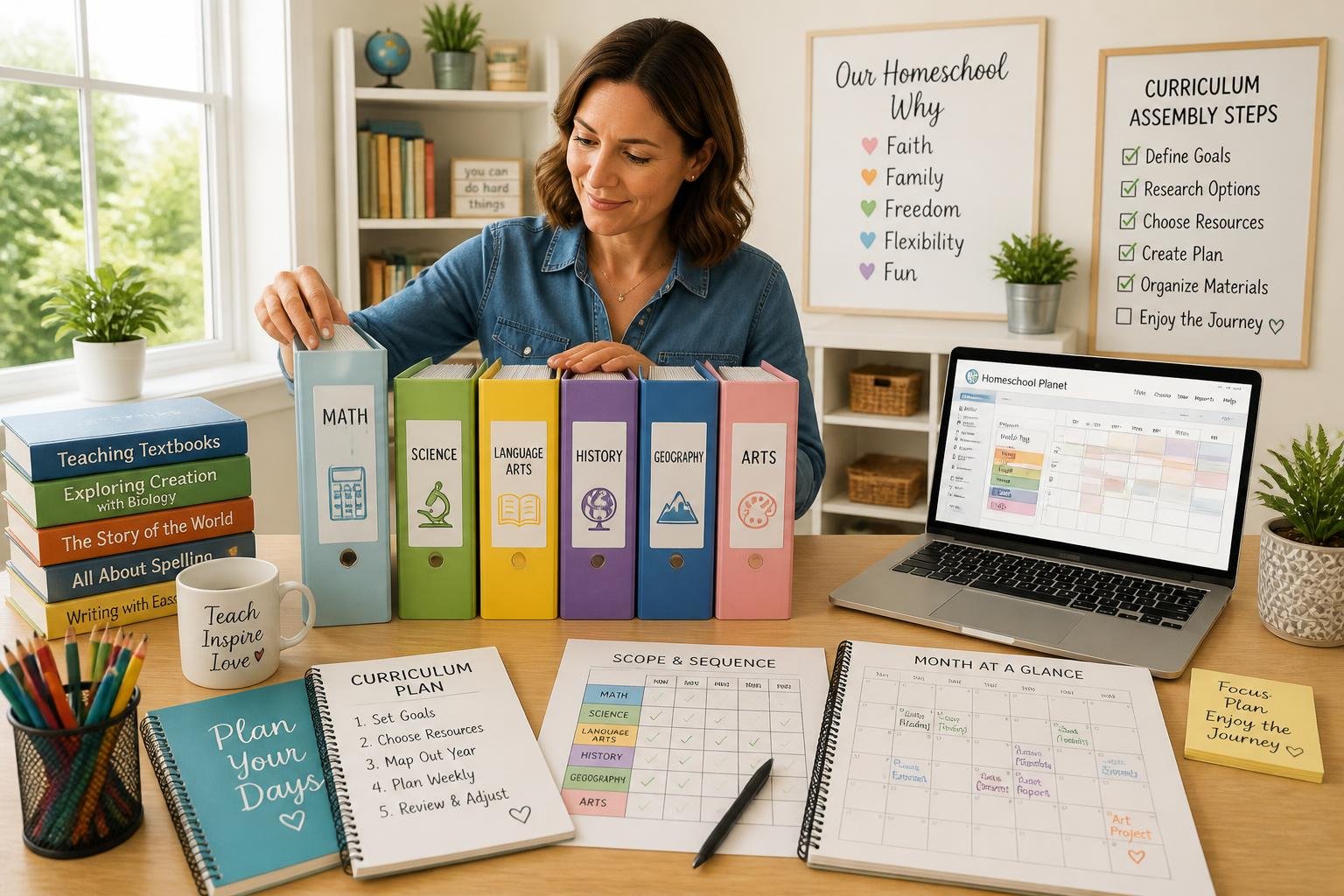
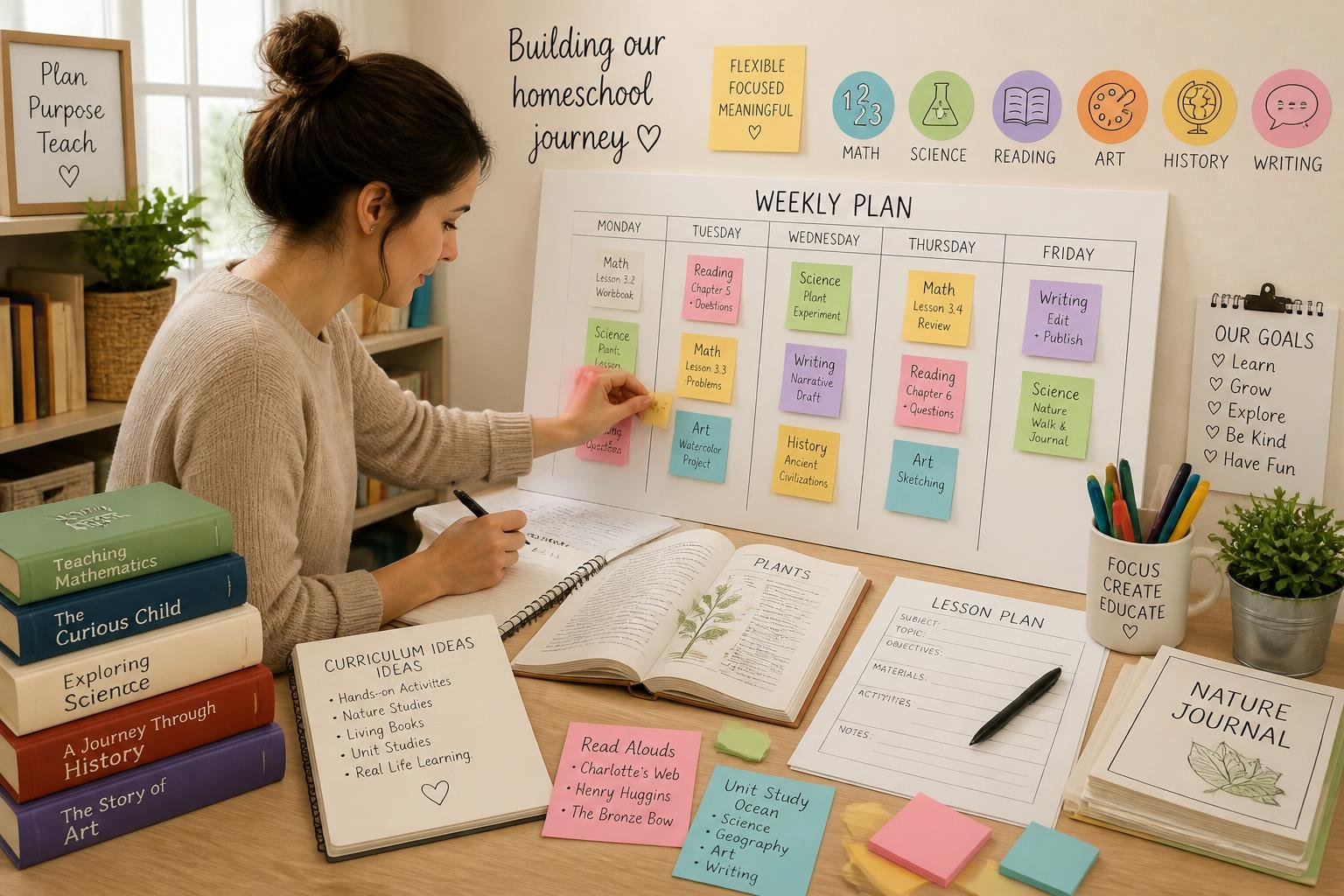
A person organizing educational materials and subject folders on a desk to build a homeschool curriculum.

How to Build Your Own Homeschool Curriculum From Scratch

Choose Your Framework Before You Pick Resources Before buying a single textbook or signing up for … [Read More...] about How to Build Your Own Homeschool Curriculum From Scratch

A family learning together at a table with books, a tablet, science experiments, and art supplies in a bright room.

How to Blend Homeschool Styles for a Custom Approach: A Step-by-Step Guide

Blending Homeschool Styles for a Tailored Education Families often mix homeschooling methods to … [Read More...] about How to Blend Homeschool Styles for a Custom Approach: A Step-by-Step Guide

Illustration of parents and children learning together in a bright, home setting with books, nature, and a digital device.

Pros and Cons of Each Homeschool Style: What Parents Should Know

Pros and Cons of Popular Homeschool Styles Parents often find that homeschool success depends on … [Read More...] about Pros and Cons of Each Homeschool Style: What Parents Should Know

Multiple homeschooling families in their homes, with parents and children engaged in various learning activities like reading, science experiments, and homework.

Real Life Examples: A Peek Into Different Homeschooling Families’ Journeys

Real Life Examples Of Homeschooling Families Families use homeschooling to create schedules that … [Read More...] about Real Life Examples: A Peek Into Different Homeschooling Families’ Journeys

A parent and child sitting together at a home study area with books and learning materials, focusing on planning and studying.

How to Reevaluate and Adjust Your Homeschool Style Over Time: A Practical Guide

Why and When to Reevaluate Your Homeschool Style Families often notice that a learning approach … [Read More...] about How to Reevaluate and Adjust Your Homeschool Style Over Time: A Practical Guide

A parent and child sitting at a table with learning materials, engaged in a homeschooling activity tailored to the child

How to Choose the Best Homeschool Curriculum for Your Child’s Learning Style: A Practical Guide for Parents

Identify Your Child’s Learning Style Each child learns in unique ways that shape how they … [Read More...] about How to Choose the Best Homeschool Curriculum for Your Child’s Learning Style: A Practical Guide for Parents

Children learning at home using books, tablets, and science experiments in a bright, organized classroom setting.

Top 5 Homeschool Curriculums for Elementary Students in 2026: Comprehensive Guide

Top 5 Homeschool Curriculums for Elementary in 2026 Families seeking a reliable elementary … [Read More...] about Top 5 Homeschool Curriculums for Elementary Students in 2026: Comprehensive Guide

A split scene showing a student learning online with a laptop and digital tools on one side, and a student studying with books and notebooks in a traditional homeschool setting on the other side.

Comparing Online vs. Traditional Homeschool Curriculums: Pros and Cons Explained

Key Differences Between Online and Traditional Homeschool Curriculums Families exploring … [Read More...] about Comparing Online vs. Traditional Homeschool Curriculums: Pros and Cons Explained

A family of four gathered around a table with educational materials, engaged in learning activities together in a home study area.

How to Customize a Homeschool Curriculum to Fit Your Family’s Needs: A Practical Guide

Identifying Your Family’s Needs and Learning Styles Families who homeschool succeed best when they … [Read More...] about How to Customize a Homeschool Curriculum to Fit Your Family’s Needs: A Practical Guide

A parent and child studying together at a desk surrounded by books and learning materials in a bright, organized homeschool room.

Budget-Friendly Homeschool Curriculums That Don’t Sacrifice Quality: Top Options and Smart Strategies

Best Budget-Friendly Homeschool Curriculum Choices Families looking for affordable homeschool … [Read More...] about Budget-Friendly Homeschool Curriculums That Don’t Sacrifice Quality: Top Options and Smart Strategies