• Skip to primary navigation
  • Skip to main content
  • Skip to primary sidebar

Clever Homeschool

Fun courses based on your child's interests!

  • Home
  • Free Photo Lessons for Kids
  • “Get That Shot!” photo tags

Valerie

Top 10 Science Experiments That Will Make Your Kids Love Learning Again! (Hands-On Fun at Home)

October 27, 2025 by Valerie Leave a Comment

Top 10 Science Experiments to Spark Curiosity

Children engaged in hands-on science experiments with colorful materials, showing curiosity and excitement in a bright learning environment.

Kids learn best when they can see, touch, and test ideas for themselves. Simple hands-on projects using household materials help them understand scientific concepts like chemical reactions, density, and energy transfer in a fun and memorable way.

Magic Milk Experiment

The Magic Milk Experiment uses milk, food coloring, and dish soap to show how surface tension works. When soap touches the milk’s surface, it breaks the bonds between fat molecules, causing the colors to swirl.

This simple setup needs only a shallow dish, whole milk, a few drops of food coloring, and a cotton swab dipped in dish soap. The result is a colorful motion that feels almost alive.

Kids see how molecules interact and learn that soap doesn’t just clean—it changes how liquids behave. This experiment is quick, safe, and perfect for younger learners.

Baking Soda Volcano

The Baking Soda Volcano is a classic and exciting way to demonstrate a chemical reaction. Mixing baking soda and vinegar produces carbon dioxide gas, which creates bubbling “lava.”

To make it, children can shape a volcano from clay or dough around a small container. Adding a few drops of red food coloring makes the eruption look realistic.

This project introduces the idea of acids and bases reacting. It’s a favorite among parents and teachers for its simplicity and visual impact. For step-by-step guidance, see this DIY volcano guide.

Elephant Toothpaste

The Elephant Toothpaste experiment shows how fast oxygen gas can form when hydrogen peroxide breaks down. Adding yeast or potassium iodide as a catalyst speeds up the reaction, making foam shoot out like giant toothpaste.

Children can mix hydrogen peroxide, dish soap, and food coloring in a tall bottle. When they add the catalyst, bubbles fill the container.

This reaction teaches about catalysts and exothermic processes. It’s important to use safety goggles and adult supervision since the reaction releases heat.

Invisible Ink

The Invisible Ink activity lets kids write hidden messages that appear with heat or chemical change. Lemon juice is a common “ink” because it oxidizes when warmed, turning brown and revealing the message.

Students can use a cotton swab to write on paper, then hold it near a light bulb or iron to reveal the words.

This simple experiment introduces acids and oxidation. It’s a fun way to connect science with history, as invisible ink was once used for secret communication. See how it’s explained in this list of home science experiments.

Dancing Raisins

The Dancing Raisins experiment demonstrates buoyancy and gas bubbles in action. When raisins are placed in carbonated water, bubbles attach to their rough surfaces, lifting them upward. Once the bubbles pop, the raisins sink again.

This simple setup needs only a glass, soda water, and a few raisins.

Children can observe how gas changes density and movement in liquids. It’s a gentle introduction to physics concepts like buoyancy and gas behavior, using everyday materials.

Balloon Rocket

The Balloon Rocket shows how air pressure and thrust create motion. By releasing air from a balloon attached to a straw on a string, kids can see Newton’s Third Law—every action has an equal and opposite reaction—in action.

To set it up, thread a straw onto a long string tied between two points. Tape an inflated balloon to the straw and let it go.

This experiment helps learners understand propulsion and force. It’s a simple way to connect science with real-world examples like rockets and airplanes.

Walking Water Experiment

The Walking Water Experiment uses paper towels and colored water to show capillary action. Water “walks” from one cup to another through the paper towel, mixing colors along the way.

Children will need three cups, water, food coloring, and paper towels. After a few hours, the colors blend in the middle cup, forming new shades.

This experiment helps kids see how plants absorb water through their stems. It’s a hands-on way to explore a key process in biology. More details are available in this guide to fun science experiments.

DIY Lava Lamp

The DIY Lava Lamp combines oil, water, and a fizzing tablet to create colorful bubbles that float and sink. It demonstrates liquid density and gas release.

To make one, fill a clear bottle with water and oil, add food coloring, then drop in an effervescent tablet. The bubbles rise and fall as gas escapes.

This experiment helps children visualize how different liquids interact. It’s safe, quick, and visually appealing. You can find a similar example in this family-friendly science activity list.

Water Cycle in a Bag

The Water Cycle in a Bag shows evaporation, condensation, and precipitation in a simple way. Kids can draw a sun and clouds on a plastic bag, fill it with a bit of water, and tape it to a sunny window.

Over time, droplets form and fall inside the bag, mimicking rain.

This activity helps children understand how water moves through the environment. It’s a great visual tool for teaching weather and the natural cycle of water.

Solar Oven S’mores

The Solar Oven S’mores project uses sunlight to melt chocolate and marshmallows, showing how solar energy can cook food. A pizza box lined with aluminum foil acts as a reflector, trapping heat inside.

Kids can measure how long it takes for the s’mores to melt, learning about heat transfer and renewable energy.

This experiment connects science to everyday life and encourages discussions about sustainable energy. It’s both educational and delicious, making it a favorite for outdoor learning.

Fun Science Activities and Variations for Every Age

Children of various ages conducting science experiments with an adult instructor in a bright classroom.

Kids learn best when they can see, touch, and test ideas for themselves. These hands-on experiments use everyday materials to teach real science in a fun, simple way that works well at home, in classrooms, or during homeschooling activities.

Giant Bubbles

Making giant bubbles helps children explore surface tension and air pressure. They can mix a bubble solution using water, dish soap, and a little glycerin or corn syrup. The glycerin slows evaporation, making stronger bubbles that last longer.

To create the wand, kids can use two straws and a loop of cotton string. When dipped into the solution and pulled through the air, the film stretches into huge shimmering shapes.

A quick tip is to let the solution rest overnight before use. This allows the ingredients to mix well and improves bubble size. For more bubble science ideas, visit Science Fun for Everyone.

IngredientPurpose
Dish soapForms the bubble film
WaterDilutes the soap
Glycerin or corn syrupStrengthens the film

Homemade Bouncy Balls

Homemade bouncy balls teach kids about polymers and chemical reactions. Mixing glue, cornstarch, and borax solution forms a stretchy material that solidifies into a ball when rolled.

Children can experiment with different glue types or ratios to see how the texture and bounce change. Clear glue creates a glassy look, while white glue makes an opaque ball.

Rolling the mixture quickly while it’s still sticky helps it form a smooth sphere. Once dry, it bounces just like a store-bought ball. Step-by-step guides for similar activities appear on Science Sparks.

Safety note: Adult supervision is important when handling borax.

Egg in a Bottle

In the egg in a bottle experiment, kids learn about air pressure in a clear, visual way. A peeled boiled egg sits on the mouth of a glass bottle. When a small piece of burning paper is dropped inside, the flame heats the air and causes it to expand.

As the flame goes out, the air cools and contracts, pulling the egg into the bottle. The egg’s movement shows that air takes up space and exerts pressure.

To remove the egg, blowing air into the bottle increases pressure again, pushing it out. This simple demonstration works great for homeschooling lessons about gases and pressure changes.

Egg Drop Challenge

The egg drop challenge encourages creativity and problem-solving. Kids design a container that protects a raw egg from breaking when dropped from a height.

They can use materials like straws, paper, tape, or cotton balls to absorb impact. Testing different designs helps them understand gravity, force, and cushioning.

A fun variation is to compare results between groups or use different drop heights. For extra exploration, kids can record results and discuss why certain designs worked better. Find other hands-on physics ideas at Little Bins for Little Hands.

Encouraging children to adjust, test, and retest their designs helps them think like real scientists.

Exploring Science Concepts Through Play

Children and a teacher conducting fun science experiments together at a classroom table filled with colorful materials and models.

Children learn best when they can see and touch what they study. Simple experiments with water, paper, and balloons help them understand real science ideas like movement, attraction, and how liquids travel through materials.

Capillary Action

Capillary action shows how water moves upward through tiny spaces in materials. It helps explain how plants pull water from their roots to their leaves. Kids can see this in action with a few cups of water, paper towels, and food coloring.

To try it, they can fill three cups with water—two with colored water and one empty. Place paper towels between the cups so they dip into the liquids. Over time, the colors travel through the towels and mix in the middle cup.

This activity helps children notice how water molecules stick to each other and to the towel fibers. It’s a fun way to explore natural processes like how trees and flowers stay hydrated. The project is similar to those described in nature-based science play activities, which emphasize observation and discovery.

Static Electricity with a Balloon

Static electricity happens when objects gain or lose electrons. A balloon rubbed on hair or fabric becomes charged and can attract light objects. Kids can explore this with a balloon, small paper pieces, and a clean surface.

After rubbing the balloon on their hair, they can hold it near the paper bits and watch them jump up. The balloon’s charge pulls on the neutral paper, showing how invisible forces act between objects.

They can also test what happens when they rub the balloon on different materials like wool or cotton. This teaches that some materials hold charges better than others. Activities like these are featured in easy science experiments for kids, which use common items to explain physical science.

Static Electricity Butterfly

The static electricity butterfly adds creativity to the same concept. Kids can make a paper butterfly with tissue paper wings and a cardstock body taped to a table. When they rub a balloon on their hair and bring it close, the wings lift and flutter.

This happens because the charged balloon attracts the lightweight tissue paper. The wings rise toward the balloon without touching it, showing how electric forces work through air.

Children can test how far the balloon must be to move the wings or how long the charge lasts. This experiment combines art and science, turning a simple idea into a playful learning moment similar to projects found in hands-on science activities.


Filed Under: Uncategorized

10 Affordable Homeschool Resources You’ve Never Heard Of: Hidden Gems for Every Family

October 27, 2025 by Valerie Leave a Comment

10 Affordable Homeschool Resources You’ve Never Heard Of

A family homeschooling together at a table with books, tablets, and art supplies in a bright room.

Families can homeschool well without spending much money. Many quality programs, websites, and tools offer free or low-cost materials that cover core subjects, electives, and enrichment. These resources help students learn at their own pace while parents save on curriculum and supplies.

Easy Peasy All-in-One Homeschool: Comprehensive and Free

Easy Peasy All-in-One Homeschool provides a complete, free homeschool curriculum from preschool through high school. It includes daily lessons for math, reading, science, and history. Parents can print worksheets or use the online platform.

The program is self-paced, so students can work independently. It’s especially helpful for families new to homeschooling or on tight budgets. The lessons are faith-based but flexible enough for different teaching styles.

Each subject links directly to free online texts, videos, and activities. Families who prefer printed materials can buy inexpensive copies through Amazon. The site’s simple layout and ready-to-use structure make it a top pick for affordable homeschooling. Learn more about this program on Homeschool Curriculum 101.

Ambleside Online: Charlotte Mason on a Budget

Ambleside Online follows the Charlotte Mason approach, using living books and short lessons to inspire rich learning. It’s a free homeschool curriculum that covers grades K–12. Parents only need to buy or borrow the recommended books, many of which are in the public domain.

The schedule includes Bible, history, literature, nature study, and art appreciation. The program encourages narration and discussion rather than tests. Families who value reading and gentle learning find this method rewarding.

Ambleside’s website provides detailed weekly plans and book lists. It also connects users to a supportive online community. More details can be found on Teach Me Mama.

Prodigy Math: Engaging Free Math Practice

Prodigy Math turns math lessons into an adventure game. Students solve math problems to progress through fantasy-style challenges. The platform adapts to each child’s level, keeping lessons both fun and effective.

Parents can track progress through a free dashboard. Teachers and homeschoolers often use it to reinforce math facts and problem-solving skills. The game covers topics from basic arithmetic to geometry.

While the basic version is free, families can choose a low-cost membership for extra features. Prodigy helps students enjoy math practice without feeling pressured or bored, making it a strong addition to any affordable homeschool curriculum.

Virtual Homeschool Group: Collaborative Online Learning

Virtual Homeschool Group (VHG) offers free and low-cost online classes for homeschoolers. It connects students with certified teachers and peers for live or self-paced courses. Subjects include math, science, history, and electives like coding or art.

The program uses a structured schedule, which helps families maintain consistency. Students can interact in moderated forums and group projects, creating a sense of community.

VHG is ideal for parents who want academic support without paying for expensive online schools. It blends flexibility with accountability, giving homeschoolers a classroom feel at home.

OverDrive: Free Digital Library Access

OverDrive lets families borrow digital books, audiobooks, and educational materials for free through their local library. All that’s needed is a library card. The platform works on most devices, including tablets and phones.

Students can access classic literature, textbooks, and reference materials anytime. Parents can also find teaching guides and homeschool planning books. It’s a great way to expand a homeschool library without buying new materials.

Many public libraries also use Libby, OverDrive’s mobile app, which makes downloading and reading even easier. This service supports both secular and faith-based homeschool programs with endless reading options.

Duolingo: Fun and Free Language Learning

Duolingo offers free, gamified language lessons in over 30 languages. Students earn points and unlock levels as they practice reading, writing, and speaking. Lessons are short, interactive, and easy to fit into daily homeschool routines.

The platform uses repetition and real-world phrases to build vocabulary naturally. Parents can track student progress and set goals. It’s a great way to add foreign language study without paying for textbooks or tutors.

Duolingo also includes cultural notes and pronunciation practice. It’s popular among homeschoolers who want a flexible, affordable way to teach languages at home.

edX: University-Level Courses for Homeschoolers

edX provides free access to online courses from top universities like MIT and Harvard. High school homeschoolers can take classes in science, computer programming, history, or economics. These courses help prepare students for college-level work.

Most classes include video lectures, quizzes, and discussion boards. Learners can study at their own pace. Certificates are optional and cost extra, but the course content itself is free.

Using edX exposes students to academic rigor and helps them explore future career interests. It’s an excellent resource for advanced homeschoolers seeking challenging material.

Homeschool Classifieds: Secondhand Curriculum Savings

Homeschool Classifieds is a marketplace where families buy and sell used homeschool materials. It’s a practical way to find affordable textbooks, teacher guides, and manipulatives. Listings often include popular programs at reduced prices.

Parents can search by subject, grade, or publisher. Many sellers are fellow homeschoolers who take good care of their materials. This makes it easy to recycle curriculum and save money year after year.

The site also features local co-op listings and events. For families on a budget, it’s a trusted place to stretch homeschool dollars further.

Scribd: Unlimited Books and Audiobooks

Scribd offers a subscription service that gives users unlimited access to eBooks, audiobooks, and documents. It’s like a digital library for homeschoolers who want variety in their reading materials. The monthly fee is lower than buying multiple books.

Students can find classics, nonfiction, and study guides. Parents can access teaching resources, planning tools, and reference works. Offline reading is available, which is helpful for travel or limited internet access.

Scribd’s wide selection makes it a flexible tool for both structured and relaxed homeschooling styles. It’s especially useful for families who read across many subjects.

Discount School Supply: Affordable Homeschool Supplies

Discount School Supply provides affordable classroom and art materials for homeschoolers. The site offers bulk pricing on paper, markers, science kits, and manipulatives. Families can stock up on essentials without overspending.

The company also sells early learning tools and sensory materials for younger children. Frequent sales and clearance deals make it easy to stay within budget.

Many homeschool parents appreciate the site’s variety and classroom-quality items. It’s a reliable place to find both everyday and specialty supplies for hands-on learning.

Choosing and Using Affordable Homeschool Resources

A family homeschooling at a table with books, flashcards, a globe, and a laptop in a bright, organized room.

Families can save money and still build a strong homeschool program by mixing free digital tools with low-cost structured curricula. Sharing materials, using flexible lesson plans, and connecting with other homeschooling families helps reduce costs while keeping learning engaging and personalized.

Mixing and Matching Free and Paid Curriculum

Parents often combine free homeschool resources with paid options to create a balanced learning plan. For example, they might use Khan Academy for math and science while subscribing to a low-cost all-in-one homeschool program like Time4Learning.

This approach allows families to tailor lessons to each child’s pace and interests. Free printable worksheets, library books, and open educational websites can fill gaps in boxed curriculum sets.

A simple way to organize materials is to make a table of subjects and note which ones use free tools versus paid subscriptions.

Subject Free Resource Paid Option
Math Khan Academy Time4Learning
Reading Public Library Reading Eggs
Science YouTube Labs IXL

This mix gives students variety while keeping expenses low.

Unit Studies and Thematic Learning on a Budget

Unit studies let families focus on one theme—like space, nature, or ancient civilizations—while covering multiple subjects. This method works well for parents who want to reuse materials across grade levels or teach several children together.

Affordable unit studies can come from printable lesson bundles, public library books, or free online collections like Affordable Homeschooling. Parents can add projects, documentaries, and nature walks to make topics hands-on without spending much.

Using an online homeschool curriculum for core subjects and unit studies for enrichment keeps learning structured but flexible. Many families also use thrift stores or digital archives for art and history materials.

Connecting with Homeschooling Families for Resource Swaps

Joining local or online homeschooling families networks helps parents exchange textbooks, science kits, and craft supplies. Platforms like Facebook groups or community co-ops often host “swap days” where families trade used materials.

Families can also share access to online subscriptions or split costs for group classes through sites like Outschool.

These partnerships reduce spending and build community support. Parents gain new teaching ideas, while children benefit from group learning experiences like science fairs or reading clubs.

Filed Under: Uncategorized

7 Ways to Make Math Fun for Homeschoolers — Even If You Hate Math!

October 23, 2025 by Valerie Leave a Comment

7 Creative Ways to Make Math Fun for Homeschoolers

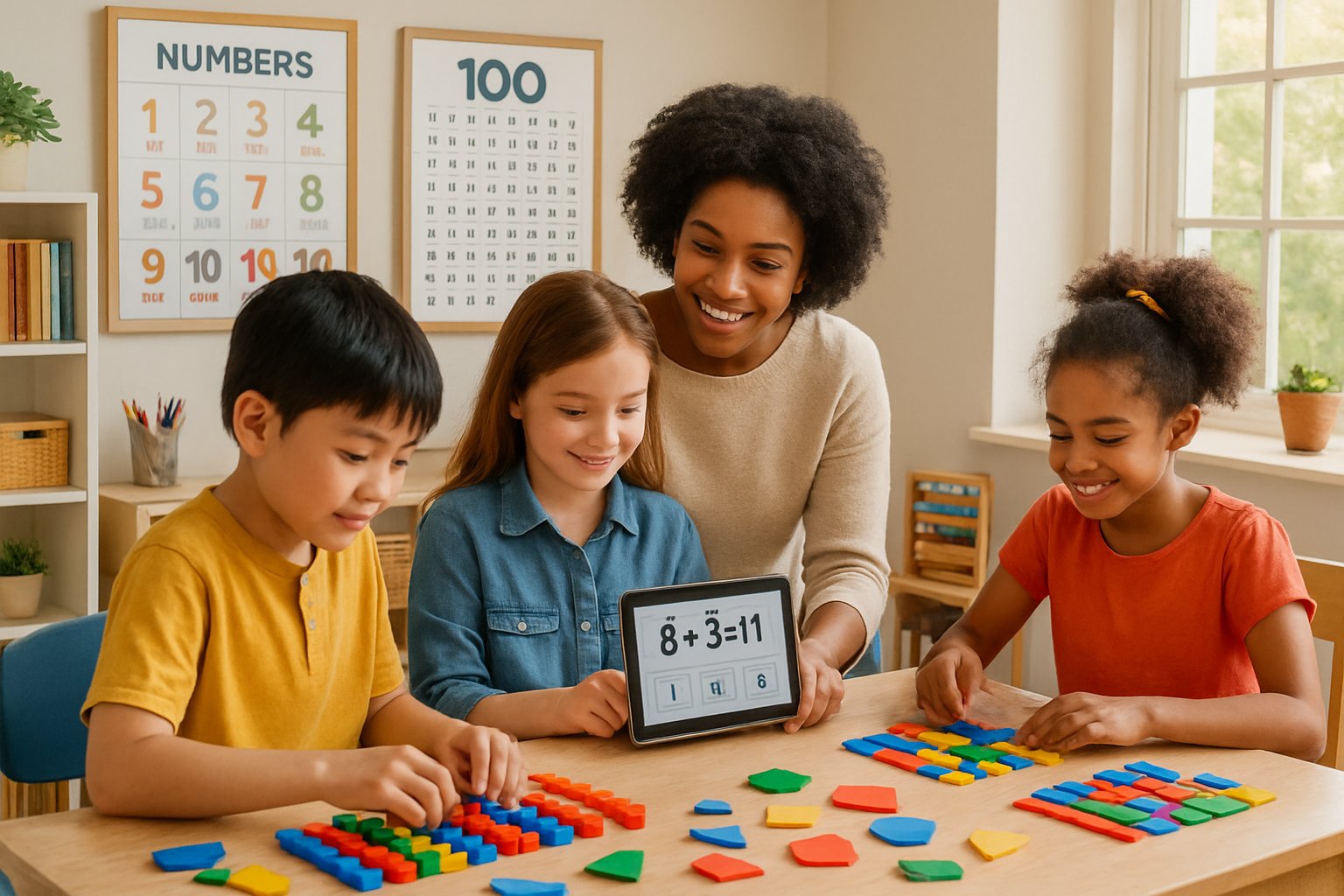
Children and a parent engaged in hands-on math activities in a bright homeschool learning space.

Homeschoolers can enjoy math more when lessons feel like play, involve movement, and connect to daily life. Using games, hands-on materials, stories, and digital tools helps students practice skills while staying engaged.

Play Engaging Math Games and Board Games

Games turn math practice into friendly competition. Simple card games like “Math War” build quick thinking with addition or multiplication facts. Board games such as Monopoly or Yahtzee help children apply math to real situations involving money, counting, and probability.

Parents can also create homemade math games using dice or flashcards. Online tools like Prodigy’s math games use rewards and challenges to keep students motivated.

Playing together encourages communication, teamwork, and problem-solving. It also helps children see that math is not just about worksheets but about strategy and decision-making.

Use Manipulatives and Hands-On Tools

Manipulatives make math concrete. Items like counting cubes, fraction circles, and base-ten blocks help children visualize numbers and operations. Younger learners can use toys, buttons, or snacks to practice sorting, grouping, and counting.

Homeschoolers can build a small toolkit with affordable manipulatives or household objects. A Better Way to Homeschool suggests collecting reusable materials for years of hands-on learning.

Using manipulatives allows students to explore patterns, symmetry, and geometry through touch. This tactile approach benefits learners who need to “see and feel” math to understand it.

Incorporate Math Apps and Digital Resources

Math apps make learning interactive and adaptable. Programs like CTCMath and Khan Academy offer video lessons, quizzes, and progress tracking. Many apps turn practice into a game, which keeps students engaged longer.

Parents can choose apps that match their child’s level and learning goals. The Homeschool Quest recommends using digital tools with printables and games for variety.

A mix of screen-based and offline activities helps prevent fatigue. When used wisely, technology reinforces concepts and builds confidence in problem-solving.

Explore Math Through Real-Life Word Problems

Real-life word problems show how math applies beyond the classroom. Cooking, shopping, and budgeting all involve measurements, estimation, and basic arithmetic.

Parents can ask children to calculate grocery totals or adjust recipes to practice fractions. Hip Homeschool Moms suggests connecting math to daily routines like travel planning or gardening.

When students solve meaningful problems, they understand why math matters. It also helps them develop reasoning and decision-making skills they’ll use throughout life.

Bring Math to Life with Picture Books and Stories

Stories help children connect emotionally with math ideas. Picture books that include counting, shapes, or problem-solving make abstract ideas easier to grasp. Titles like The Greedy Triangle or Sir Cumference and the Dragon of Pi combine narrative with math lessons.

Parents can use storytime to discuss math concepts naturally. 2 Peas and a Dog highlights storytelling as a creative way to make math enjoyable and meaningful.

Reading aloud or creating original math stories encourages imagination and literacy while reinforcing comprehension of numbers and operations.

Try Math Puzzles and Brain Teasers

Math puzzles challenge students to think critically and creatively. Sudoku, logic grids, and tangrams build reasoning and spatial awareness. These activities can be short, fun breaks from regular lessons.

Books like The Moscow Puzzles or Math Riddles and Brain Teasers provide a range of challenges for different ages. Hip Homeschool Moms recommends using puzzles as rewards or enrichment.

Puzzles build persistence and problem-solving skills. They also show that math can be playful and satisfying, not just about finding the “right answer.”

Make Math Active for Kinesthetic Learners

Kinesthetic learners benefit from movement. Jumping jacks, hopscotch, or relay races can include counting, multiplication, or measuring distances. Outdoor math games combine exercise with learning.

Parents can mark number lines on the floor or use chalk to create math obstacle courses. Hip Homeschool Moms suggests linking physical activity to math lessons to boost focus and energy.

Active math keeps restless learners engaged and helps them connect body movement to abstract ideas. It’s a simple way to make math memorable and fun.

Helpful Strategies for Parents Who Dislike Math

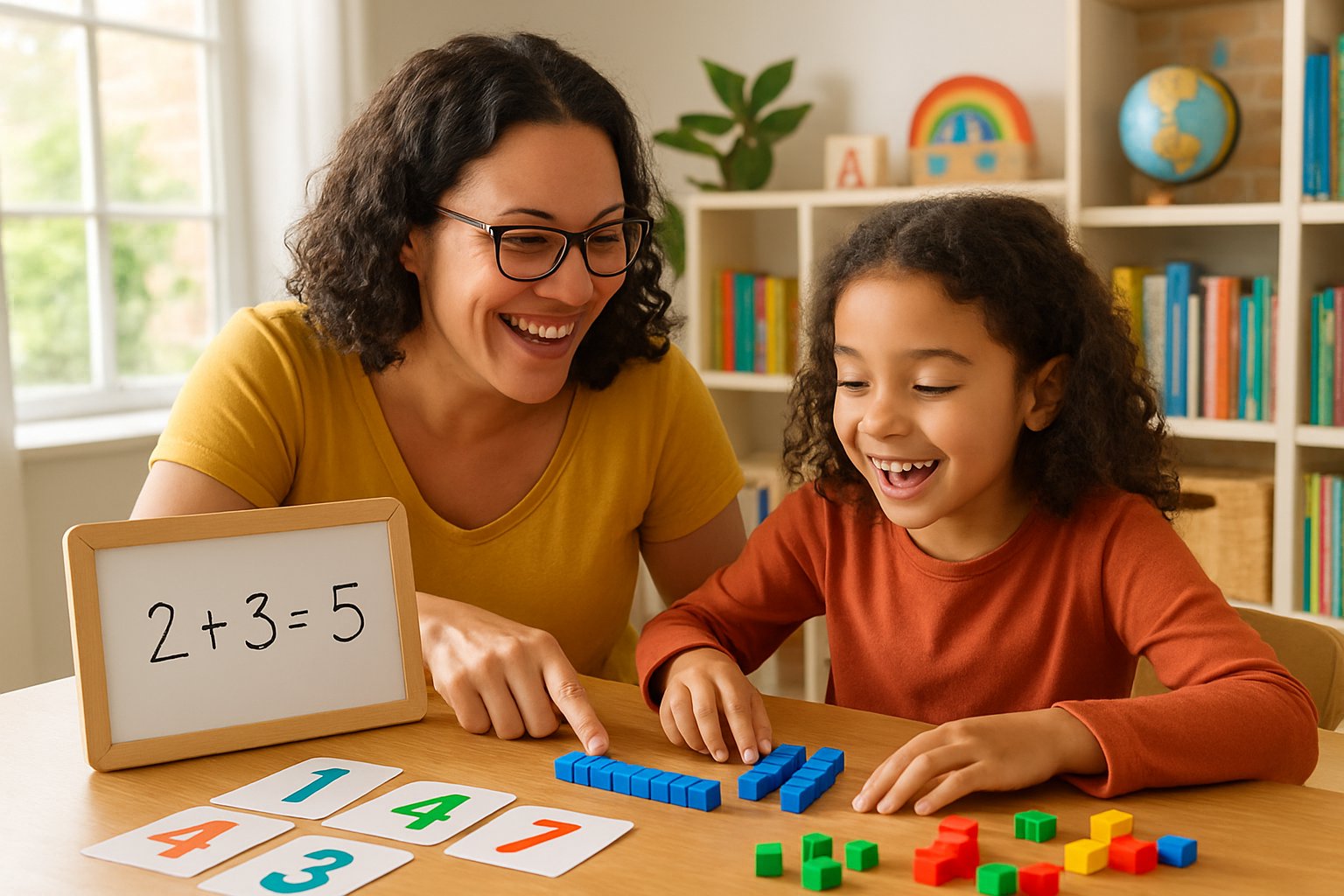
A parent and child sitting at a table doing a fun math activity together in a bright homeschooling room.

Parents who feel uneasy about math can still guide their children with confidence. Using structured online tools, printed resources, and targeted teaching methods helps make math more manageable and less intimidating for both parent and child.

Leverage Online Programs Like Khan Academy

Online programs such as Khan Academy provide free, structured lessons that adapt to each learner’s pace. Parents who dislike math can rely on these guided videos and practice exercises to reduce pressure and confusion.

Khan Academy’s dashboard tracks progress and highlights areas needing review. This feedback helps parents see where their child struggles without having to grade or explain complex topics.

Parents can build a consistent routine by setting aside short, daily sessions. Many families use the platform alongside other tools like CTCMath or printable worksheets for variety.

Benefit Description
Self-paced learning Children move through lessons at their own speed
Free and accessible No subscription cost or special materials
Visual instruction Video tutorials simplify difficult math ideas

Utilize Math Workbooks and Practice Resources

Math workbooks help children practice skills through repetition and structured exercises. Parents who dislike math can depend on these printed or digital materials to provide ready-made lessons without needing to design activities themselves.

Workbooks from publishers like Evan-Moor or Singapore Math include answer keys, allowing parents to check work easily. This approach builds confidence for both learners and adults guiding them.

Parents can mix workbook time with hands-on activities such as counting objects or measuring ingredients. These real-life examples make math more engaging and connect it to daily routines.

For more ideas, parents can explore 11 practical tips for learning math at home that emphasize using simple, consistent practice.

Apply RTI Techniques for Struggling Learners

Response to Intervention (RTI) helps identify and support students who struggle with math early. It uses three levels of instruction—universal, targeted, and intensive—to meet each child’s needs.

Parents can apply RTI principles at home by observing where their child has trouble, offering extra practice, and adjusting instruction as needed. For instance, if a child struggles with fractions, they can use visual aids or manipulatives before moving to written problems.

Consistent monitoring is key. Parents can track progress using short quizzes or online assessments. Educational blogs like NWEA’s guide to improving math skills explain how small, steady adjustments lead to stronger understanding over time.

Filed Under: Uncategorized

10 Free Online Tools That Will Revolutionize Your Homeschool Routine! (2025 Guide)

October 23, 2025 by Valerie Leave a Comment

Top Free Online Tools for Homeschooling Success

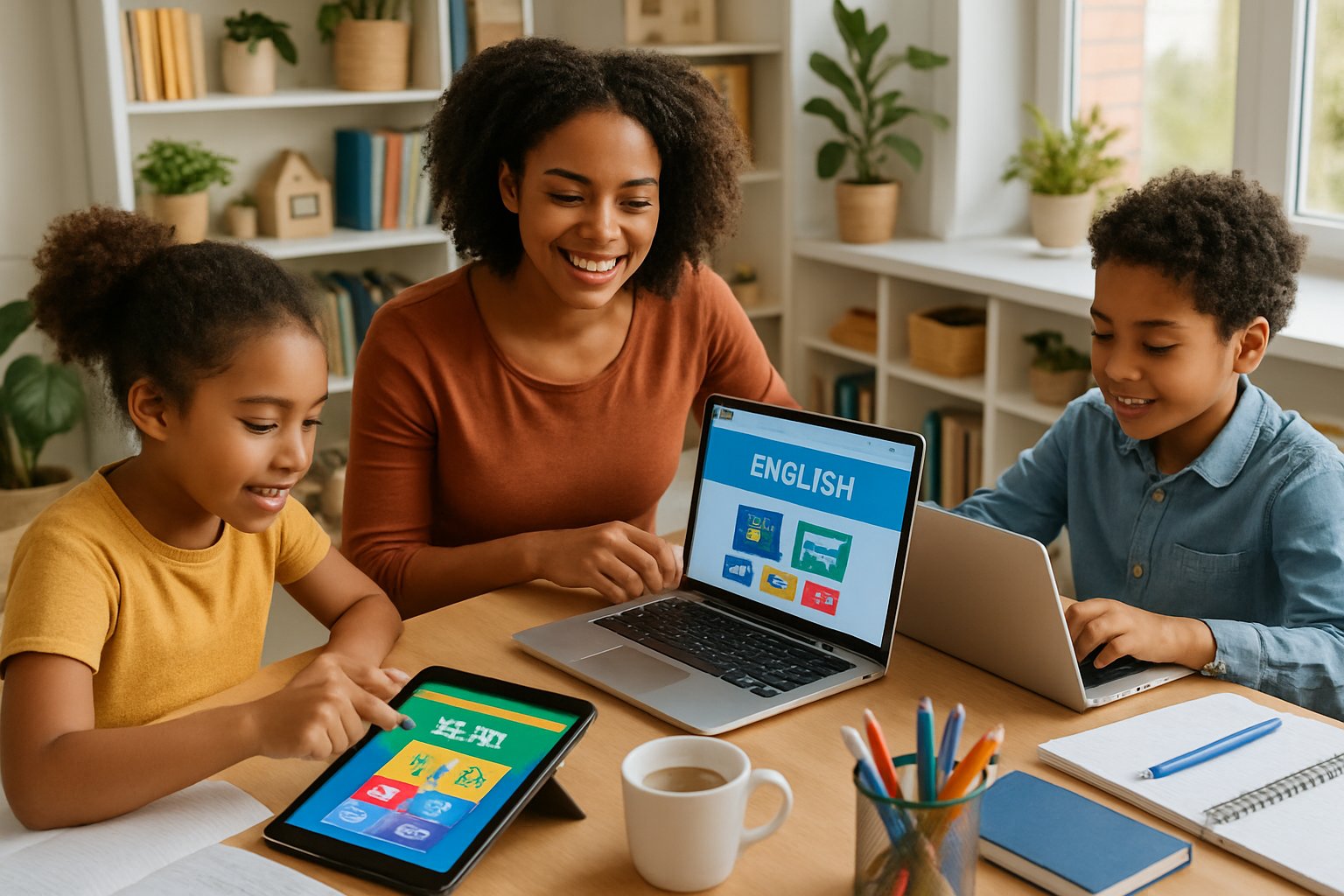
A parent and two children studying together at a table with a laptop and educational materials in a bright home setting.

Families can use free digital platforms to build a complete homeschool curriculum, strengthen lessons, and track progress. These tools offer structured learning, flexible pacing, and engaging materials that support both students and parents.

Khan Academy: The Ultimate All-in-One Resource

Khan Academy provides a wide range of subjects for all grade levels, including math, science, history, and art. Its lessons use short videos, practice exercises, and quizzes to help students learn at their own pace. Parents can track progress through detailed dashboards.

The platform’s structured layout makes it simple to build daily routines. Students can review skills or move ahead when ready. It’s one of the most widely used free homeschooling resources because it combines quality lessons with flexibility.

Khan Academy also offers test prep for the SAT, ACT, and AP exams. This feature helps older students prepare for college without extra cost. Its nonprofit model ensures all content remains free and accessible worldwide.

CK-12 Foundation: Free Digital Textbooks and Practice

The CK-12 Foundation provides free digital textbooks, known as “FlexBooks,” that cover math, science, and social studies. These books include interactive videos, simulations, and practice questions. Students can explore topics in multiple formats, which supports different learning styles.

Teachers and parents can customize lessons to fit individual needs. This flexibility makes CK-12 a strong choice for building a personalized homeschool curriculum. The site also integrates with Google Classroom and other learning tools for easy management.

CK-12’s approach focuses on mastery learning. Students can repeat lessons until they fully understand a concept. The platform’s digital tools for enhancing homeschooling make it simple to combine reading, watching, and practicing in one place.

Easy Peasy All-in-One Homeschool: Complete Curriculum

Easy Peasy All-in-One Homeschool offers a full K–12 curriculum in subjects like reading, writing, math, and science. It’s completely free and designed for families who want a ready-to-use plan. Lessons are organized by grade and day, so parents can follow a clear schedule.

This program uses online materials, printable worksheets, and video links. It’s ideal for parents who prefer structured guidance instead of building lessons from scratch. The site also includes Bible study options for families seeking faith-based learning.

Because everything is online, it works well for families with limited budgets or multiple children. Many parents appreciate how this free online homeschool program keeps learning simple and organized.

Crash Course: Engaging Educational Videos

Crash Course creates short, animated videos that explain complex topics in a clear and entertaining way. Subjects include history, biology, literature, and economics. The videos use humor and visuals to keep students interested while still delivering solid educational content.

Each video series follows a structured path, making it easy to include in a homeschool curriculum. Students can watch a video, take notes, and discuss key points afterward. The style works especially well for visual learners and middle or high school students.

Crash Course’s free access through YouTube and its website makes it one of the most accessible homeschooling tools available. It’s a great way to reinforce lessons or introduce new topics in a fun, easy-to-understand way.

Essential Apps and Websites to Enhance Your Homeschool Routine

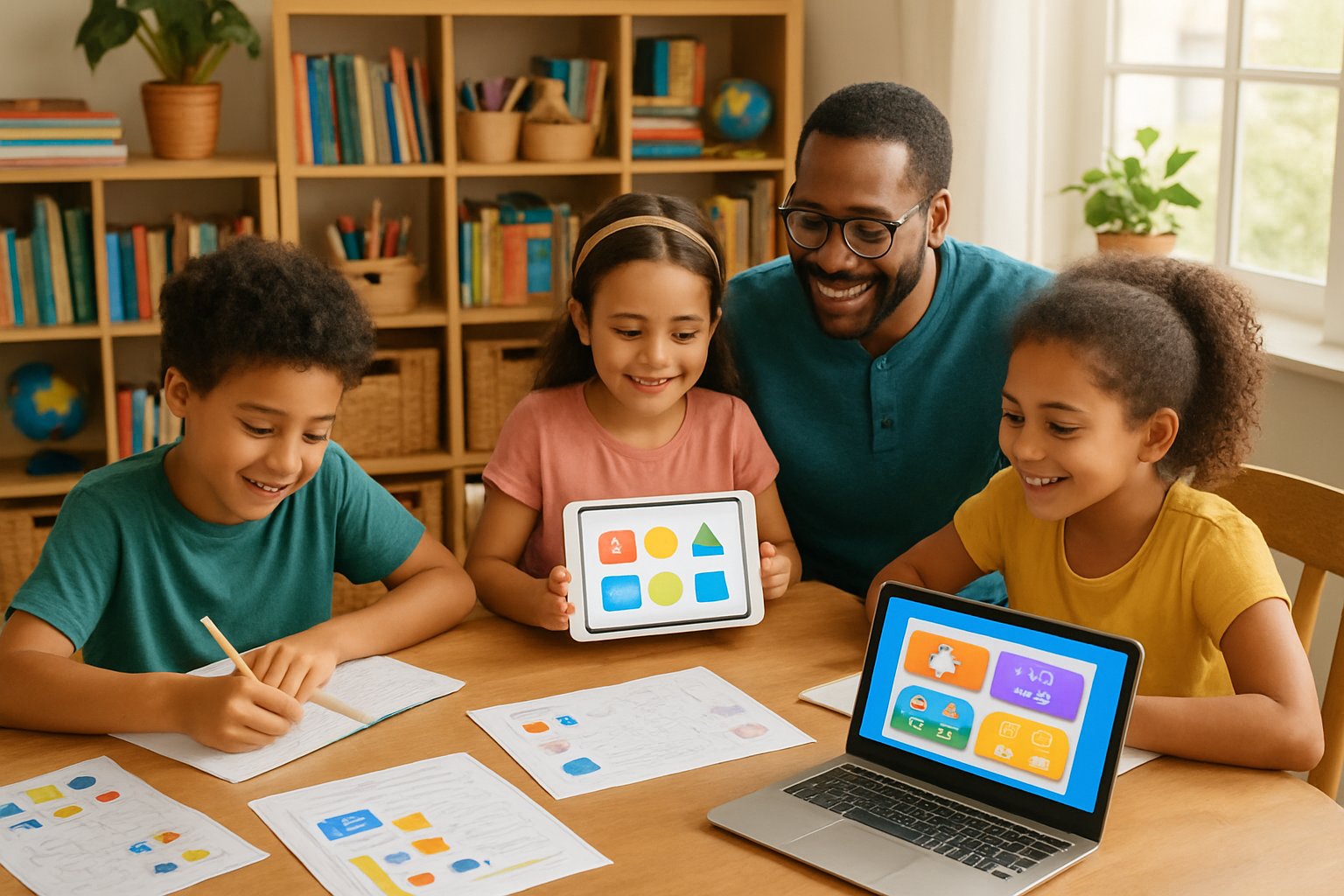
A family homeschooling at a table with laptops, tablets, and books in a bright, organized room.

Families can improve homeschooling by using free digital tools that make learning more interactive and planning more organized. These apps and websites help students stay engaged while giving parents flexible ways to manage lessons and track progress.

Prodigy Math Game: Gamified Learning for Kids

Prodigy Math Game turns math practice into a fun adventure. Students solve math problems to cast spells, earn rewards, and move through fantasy worlds. It covers topics from early elementary to middle school and adapts to each learner’s skill level.

Parents like that Prodigy aligns with curriculum standards and offers both free and paid versions. The free version includes core lessons and progress tracking, making it a strong choice among free homeschooling resources.

Teachers and parents can view reports showing which skills need work. This helps guide lesson planning without extra grading. The game’s design keeps kids motivated, especially those who find traditional math drills dull.

Duolingo: Fun Language Lessons

Duolingo helps students learn new languages through short, game-like lessons. Learners earn points, unlock levels, and practice speaking, reading, and listening. The app supports dozens of languages, including Spanish, French, and Japanese.

Its free version is enough for most homeschoolers. Parents can track streaks and set daily goals to build consistent study habits. Duolingo’s voice recognition helps with pronunciation, which is useful for independent learners.

Homeschool families often use Duolingo to supplement foreign language lessons or to explore new cultures. As noted in educational app guides, its simple design and positive feedback make it one of the easiest tools for students to use on their own.

Epic! Books for Kids: Online Reading Library

Epic! Books for Kids gives students access to thousands of digital books, audiobooks, and learning videos. It’s especially helpful for early readers or reluctant readers who need more variety. The library includes fiction, nonfiction, and educational titles sorted by grade and reading level.

Parents can assign books or let children explore freely. Reading progress is tracked automatically, and quizzes check comprehension. The free educator plan offers many titles that fit well into homeschooling lessons.

Epic! works on tablets, laptops, and phones, so kids can read anywhere. Many families use it during quiet reading time or while traveling to keep learning consistent.

Google Sheets and Trello: Simple Homeschool Planners

Organizing lessons is easier with Google Sheets and Trello. Google Sheets helps parents create weekly schedules, track assignments, and record grades. Templates for homeschool planning are widely available and easy to customize.

Trello uses boards, lists, and cards to organize tasks visually. Each subject can have its own board. Parents can drag and drop lessons, attach files, and set due dates.

Both tools are free and cloud-based, making them accessible from any device. As mentioned in DreamClass’s list of homeschooling tools, combining these planners keeps homeschooling structured without needing expensive software.

Creative Extras and Enrichment Tools for Every Homeschool Family

A family homeschooling together at a table with laptops, tablets, books, and educational materials in a bright room.

Families can expand learning beyond textbooks using free online tools that make lessons more interactive and meaningful. These options help students explore geography, literature, and history in ways that encourage curiosity and independent thinking.

Virtual Field Trips: Explore the World from Home

Virtual field trips let homeschoolers explore museums, national parks, and cultural landmarks without leaving home. Sites like the Paths of Learning guide list free homeschooling resources that include interactive tours and videos for all grade levels.

Students can walk through the Smithsonian, visit the Great Wall of China, or dive into ocean habitats through live webcams. Many virtual trips include teacher guides and printable worksheets that make it easy to connect what students see with their current lessons.

Parents appreciate how these experiences build context for subjects like science, art, and geography. They also give learners with different styles—visual, auditory, or hands-on—an engaging way to absorb new information.

Tip: Create a simple travel log where children record what they “visited,” draw pictures, and write short reflections. This turns exploration into a creative writing exercise too.

Project Gutenberg: Free Classic Literature

Project Gutenberg offers thousands of free eBooks that support reading and language arts in homeschooling. The site hosts classic literature in the public domain, from Little Women to Treasure Island, all available in digital formats that work on computers, tablets, or e-readers.

Using these books helps families save money while providing access to timeless stories that build vocabulary and reading comprehension. Many parents pair these readings with writing prompts or discussion questions to help students think critically about themes and characters.

A simple table can help organize reading goals:

Grade Level Recommended Titles Skills Focused
Upper Elementary The Secret Garden Vocabulary, empathy
Middle School The Adventures of Tom Sawyer Narrative analysis
High School Pride and Prejudice Literary devices, tone

Library of Congress Kids & Families: History and Primary Sources

The Library of Congress Kids & Families site connects homeschoolers with primary sources, photos, and historical documents. Students can view old maps, listen to early recordings, or explore digital exhibits about American history.

These materials help learners see history as real stories told through letters, diaries, and photographs. Teachers and parents can build lessons around original artifacts, encouraging students to analyze evidence instead of memorizing facts.

Many activities include printable worksheets and educator tools that align with social studies standards. The site also features “Ask a Librarian,” where families can submit questions about history topics.

This resource turns history into a discovery process that supports critical thinking and research skills—valuable traits for lifelong learners.

Filed Under: Uncategorized

9 Homeschool Myths That Are Totally False (But Everyone Still Believes!)

October 22, 2025 by Valerie Leave a Comment

Homeschooling has grown quickly in recent years, but many people still believe outdated ideas about what it really looks like. These myths often come from old stereotypes or limited experiences, leaving families unsure about whether home education could actually work for them. Understanding the truth about homeschooling helps families make confident and informed choices about their children’s education.

A family of four homeschooling together at a table with books and a laptop in a bright, cozy room.

This article explores nine common myths that continue to shape how people view homeschooling today. It looks at assumptions about social skills, academics, cost, and even college readiness to show what homeschooling is—and what it isn’t. By clearing up these misconceptions, it paints a more accurate picture of modern homeschooling and the diverse families who choose it.

1) Homeschoolers Lack Social Skills

Many people still believe that homeschooled children spend their days alone with little contact outside their families. This idea is outdated. Modern homeschooling often includes group classes, sports, community events, and volunteer work.

Studies and real-world examples show that homeschoolers often build strong communication and teamwork skills. They learn to interact with people of different ages and backgrounds, not just classmates their own age. Research highlighted in The Socialization Myth: How Homeschoolers Build Strong Social Skills shows that homeschoolers frequently excel in interpersonal relationships.

Homeschool families also create social opportunities through co-ops, clubs, and local activities. These experiences help children practice empathy and cooperation, as noted in Homeschooling and Socialization: Debunking the Myths.

The idea that homeschoolers are isolated often comes from misunderstanding what homeschooling looks like today. Many families use flexible schedules to connect with others and explore the world beyond the classroom, as explained in Homeschool Socialization: Myths, Realities, and Practical Strategies.

2) Homeschooling Is Only for Religious Families

A diverse family homeschooling scene with children and adults learning together in a bright room filled with books and educational materials.

Many people still believe homeschooling is only for religious families. This idea used to be more common when faith-based programs were the main option. Today, that has changed.

Families now choose homeschooling for many reasons. Some want more flexible academics, safer learning spaces, or personalized pacing. Others homeschool because of travel, health needs, or learning differences. As The Network explains, families homeschool for academic, social, or health-related reasons, not just religious ones.

The homeschool community has grown more diverse. Parents can pick from both faith-based and secular curricula, depending on their goals. Online programs and local co-ops also make it easier for families of all backgrounds to connect and share resources.

Modern homeschooling reflects many lifestyles and values. Families from cities, suburbs, and rural areas all take part. As Great Homeschool Conventions notes, homeschoolers come from all belief systems, showing that education at home is not limited to any one group.

3) Homeschooled Kids Don’t Get Enough Curriculum

Many people assume homeschooling lacks a full curriculum, but that idea is outdated. Today, families can choose from a wide range of structured programs, online courses, and accredited materials that meet or exceed public school standards.

Homeschoolers often use blended learning. They combine textbooks, digital lessons, and real-world projects to cover core subjects like math, science, history, and language arts. Sites such as Connections Academy explain how online options provide organized lessons and teacher support.

Parents also adapt lessons to fit their child’s learning pace. This flexibility helps students spend more time on challenging topics and move faster through easy ones. According to AZ Homeschoolers, this approach often gives children a deeper understanding of material.

Homeschooling families can also join co-ops or community classes to expand their curriculum. These groups offer lab science, art, and foreign language instruction, giving students a balanced education.

Far from being limited, homeschool curricula today are diverse, accessible, and designed to help students succeed in both academics and life skills.

4) Homeschooling Means No Extracurricular Activities

Many people think homeschooled students miss out on sports, clubs, and other group activities. In reality, most homeschool families find plenty of ways to stay active and involved.

Homeschooled students often join local sports leagues, music lessons, theater groups, or art classes. Some public schools even allow homeschoolers to take part in school teams or clubs under certain rules, as explained in this article on homeschooling myths.

Community centers, libraries, and youth programs also offer many opportunities for social and extracurricular involvement. These programs help homeschoolers meet new friends while exploring their interests.

Online learning platforms and co-ops make it easier than ever for homeschooled children to connect with others. As noted by Connections Academy, modern homeschooling often includes group projects, virtual clubs, and field trips.

Homeschooling allows families to choose activities that fit their child’s goals and schedule. Instead of missing out, many homeschoolers enjoy a wider variety of experiences than traditional students.

5) Homeschooled Students Are Not Ready for College

A group of homeschooled students studying together with an adult mentor in a bright home learning environment.

Many people assume homeschooled students struggle when they reach college. In reality, research and college admissions data show the opposite. Homeschooled students often enter college with strong study habits and self-discipline.

Colleges now recognize the value of homeschooling. Many institutions actively recruit homeschoolers because they tend to be independent learners and motivated students. According to Bridgeway Academy, homeschoolers are often more prepared academically than many of their peers.

Some believe homeschoolers lack exposure to structured learning or deadlines. However, most homeschool programs include schedules, projects, and assessments that mirror classroom expectations. The flexibility of homeschooling also helps students learn time management early.

As noted by FEE.org, colleges see homeschool applicants as mature and capable. They often perform well because they are used to taking responsibility for their own education.

Homeschool graduates have been accepted into a wide range of universities, from local colleges to Ivy League schools. Their success shows that being homeschooled does not limit college readiness—it can actually strengthen it.

6) Homeschooling Is Too Expensive for Most Families

Many people assume homeschooling costs more than traditional school. In reality, families can adjust their budgets and use free or low-cost materials to make it affordable.

Parents can find free online classes, worksheets, and lesson plans through public libraries and educational websites. Some families even share resources or trade teaching time with other homeschoolers.

According to The Curious Schoolhouse, homeschooling can cost less than expected when parents use community programs and digital tools. Many states also offer tax credits or deductions, as noted by Northgate Academy.

Even curriculum expenses vary widely. Families can choose between paid programs and free options that fit their children’s needs. Homeschool Myths explains that while some materials can be pricey, many affordable or no-cost alternatives exist.

Homeschooling may require planning, but it doesn’t have to break the bank. With creativity and research, families can provide a quality education at home without spending a fortune.

7) Homeschoolers Are Isolated and Don’t Make Friends

Many people still think homeschooled kids spend most of their time alone, but that idea doesn’t match reality. Homeschooling families often join co-ops, clubs, and community programs where children meet and work with others. These settings encourage teamwork and help students build lasting friendships.

Homeschoolers also take part in sports, art classes, and field trips through local groups and recreation centers. These activities create regular chances for social interaction outside the home. Families often plan study groups, park days, or volunteer projects together.

According to Homeschool.com, homeschoolers gain social experience through everyday life—talking with neighbors, family, and peers in many settings. Research shared by Top Education Degrees shows that homeschooled students often develop strong communication habits because they interact with a wide range of people.

Homeschooling allows flexible schedules that make social time easier to plan. Children can meet friends during the day, join mixed-age activities, and connect with their communities in meaningful ways. Far from being isolated, many homeschoolers enjoy rich and varied social lives.

8) Parents Aren’t Qualified to Teach Their Kids

Many people believe parents can’t teach their children because they don’t have education degrees. This idea is common, but it doesn’t match reality. Parents already teach their kids basic skills like talking, reading, and good manners long before school begins.

Research and experience show that homeschooling parents can use online tools, community classes, and structured programs to guide learning. Modern homeschool resources make it easier to follow clear lesson plans and track progress. Even accredited schools like Connections Academy note that parents are a child’s first and most important teachers.

Articles such as 7 Persistent Myths About Homeschoolers Debunked explain that most homeschool parents don’t need teaching degrees to succeed. What matters more is their commitment and willingness to learn alongside their children.

Parents who homeschool often adapt lessons to fit their child’s pace and interests. This flexibility can help students understand subjects better and enjoy learning. Many families find that the more they teach, the more confident they become in their ability to provide a strong education at home.

9) Homeschooled Children Are Weird or Different

Many people assume homeschooled kids act strange or lack social skills. This idea comes from old stereotypes, not reality. Most homeschooled children interact with others often and learn to communicate in many settings.

They meet friends through sports, clubs, and community programs. Some join online classes or local learning groups that mix kids from different backgrounds. These activities help them build confidence and teamwork skills.

According to 21K School, homeschooled students often have rich social lives that differ from traditional schools but are just as meaningful. They spend time with people of all ages, not just their peers, which can help them mature socially.

Even sites like Weird Unsocialized Homeschoolers note that being “different” can simply mean having unique interests or learning styles. That doesn’t make them odd—it makes them individuals.

In reality, homeschooled children are as varied as any other group. Some are shy, some outgoing, some artistic, and some athletic. Their social experiences may look different, but they are far from weird.

Understanding the Roots of Homeschool Myths

Many homeschooling myths come from outdated ideas and repeated misinformation. People often rely on secondhand stories, limited examples, or entertainment portrayals instead of real experiences from homeschool families.

How Misconceptions Spread

False beliefs about homeschooling often spread through word of mouth, old assumptions, and a lack of firsthand knowledge. When people hear the same claims—like homeschoolers being unsocialized or behind in academics—they start to sound true, even when evidence shows otherwise.

Studies and articles, such as those from Connections Academy, show that many myths persist because people rarely see what homeschooling actually looks like today. Families use online programs, co-ops, and extracurriculars that offer both structure and social interaction.

Common sources of confusion include:

  • Limited exposure to modern homeschool models
  • Outdated views from decades past
  • Anecdotes shared without context

Once these ideas circulate online or in conversation, they can be hard to correct. People tend to remember simple stories rather than complex realities.

The Role of Media and Pop Culture

Television and movies often shape how the public views homeschooling. Many shows still show homeschoolers as isolated, awkward, or overly strict, which reinforces stereotypes. Articles like Understanding Homeschooling: Debunking Myths with Evidence note that these portrayals rarely match real homeschool experiences.

Media tends to highlight extremes because they make interesting stories. This focus can leave out the majority of families who use balanced, flexible approaches.

Pop culture also influences parents’ comfort levels with homeschooling. When characters or news stories show only negative examples, it can discourage families from exploring it. Over time, these images shape public opinion more than actual data or personal stories.

The Realities of Homeschooling Today

Homeschooling now looks very different from what many people imagine. Families use flexible learning models, online platforms, and local support groups to create meaningful education plans that fit their children’s needs.

Diverse Homeschooling Approaches

Families use many approaches to teach at home. Some follow a structured curriculum similar to public schools, while others use interest-based learning that lets children explore topics deeply. Many combine both to balance freedom and consistency.

Online programs and virtual classrooms have made homeschooling more accessible. Students can take live classes, complete assignments online, and work with certified teachers through platforms like Connections Academy. This flexibility allows learning to happen anywhere with an internet connection.

Parents also adapt lessons to match their child’s pace. A student who excels in math can move ahead, while one who needs more time in reading can slow down. This personalized approach helps students build confidence and stay motivated.

Some families even blend homeschooling with part-time public or private school classes, local workshops, or community college courses. This mix gives students both independence and classroom experience.

Support Networks and Resources

Modern homeschooling families rarely work alone. They connect through local co-ops, online forums, and community events that offer shared classes, field trips, and extracurricular activities. These networks help children develop social skills and friendships, addressing the common myth that homeschoolers lack socialization, as explained by The Mindful Heart.

Parents also use digital tools to plan lessons, track progress, and find teaching materials. Educational websites, free e-books, and virtual labs make it easier to cover a full range of subjects. Many families rely on organizations such as 21K School for structured guidance and community support.

These resources create a strong foundation for homeschooling success, allowing families to share ideas, solve problems, and celebrate progress together.

Filed Under: Uncategorized

Top 8 Mistakes New Homeschool Parents Make — Tips To Avoid Common Pitfalls

October 22, 2025 by Valerie Leave a Comment

Homeschooling gives families the freedom to shape learning around what works best for their children. But when starting out, many parents find that excitement can quickly turn into stress. Knowing what common mistakes to avoid helps families build a smoother and more confident homeschooling experience from the start.

A family of four homeschooling together at a table with books and a laptop in a bright room.

This article explores the most frequent missteps new homeschool parents make and how to prevent them. It looks at how setting clear goals, creating a flexible routine, and understanding each child’s needs can make a big difference. Along the way, it also highlights how family involvement and social connections help homeschooling thrive.

1) Not setting clear goals and vision for homeschooling

A parent and child working together at a table with educational materials in a bright home setting.

Many new homeschool parents start with excitement but no clear direction. Without defined goals, lessons can feel scattered and progress hard to measure. A clear vision helps guide daily choices and keeps the family focused on what matters most.

Experts suggest that families take time to discuss their motivations and long-term plans. Talking about why they chose homeschooling helps align expectations and reduces confusion. Setting SMART or even SMARTER goals—specific, measurable, achievable, relevant, and time-bound—gives structure to the learning journey.

When parents skip this step, frustration often follows. They may switch curriculums too often or feel unsure whether their children are learning enough. Having a written plan or mission statement can prevent this uncertainty.

A clear homeschool vision also helps families stay motivated through challenges. It reminds them of their purpose when lessons get tough or schedules feel busy. With shared goals, parents and kids can work together with confidence and direction.

2) Trying to replicate traditional school at home

Many new homeschool parents believe they need to copy a public school schedule. They set up desks, follow strict timetables, and try to teach for six hours straight. This often leads to stress and frustration for both parents and children.

Homeschooling works best when families use its flexibility. Instead of rigid lessons, children can learn through projects, reading, and hands-on activities. The freedom to adjust pacing helps them stay interested and engaged.

Experts note that recreating school at home can cause burnout. Parents may feel pressure to meet unrealistic expectations, and kids may lose their love of learning.

A better approach is to build a routine that fits the family’s rhythm. Some families learn in the morning and explore outdoors in the afternoon. Others spread lessons throughout the day. Homeschooling allows parents to teach in ways that support each child’s learning style.

By letting go of the idea that home must look like school, parents give their children room to grow and discover.

3) Skipping the deschooling period for kids

A family homeschooling their young children at a table with books and school supplies in a bright room.

Many new homeschool parents rush straight into lessons after leaving public school. They often skip the deschooling period, which is the time needed to adjust from a school mindset to a home learning rhythm. This break helps children relax and rediscover their natural curiosity.

Deschooling gives families space to reset expectations and routines. It allows kids to heal from stress and parents to observe how their children learn best. According to TheHomeSchoolMom, this stage helps set realistic homeschooling goals.

Rushing into structured lessons too soon can lead to frustration. Children may resist learning because they still associate it with pressure or strict schedules. Taking time to deschool helps them see learning as enjoyable and flexible.

As explained by Miacademy, deschooling differs from unschooling. It’s a short-term transition, not a permanent approach. Parents who allow this period often find their children more engaged and confident once homeschooling begins.

4) Overloading the schedule with too many subjects

Many new homeschool parents try to teach every subject at once. They want their children to learn as much as possible, but this often leads to stress and burnout for everyone. Kids can lose focus when the day feels packed with constant lessons.

A heavy schedule can make learning feel rushed and overwhelming. According to This Homeschool House, parents often overload their homeschool day with too many subjects, leaving little time for breaks or creativity.

Families benefit from focusing on core subjects first and adding extras slowly. Dropkick Math explains that balancing multiple subjects works best when parents plan carefully and keep lessons manageable.

When parents simplify the schedule, children stay more engaged and enjoy learning. A lighter day allows time for reading, hands-on projects, and rest. Homeschooling works best when it fits the family’s rhythm instead of trying to copy a traditional school day.

5) Ignoring the child’s learning style and interests

Many new homeschool parents focus on what they think their child should learn instead of how their child learns best. Every child has a unique way of understanding new ideas. Some learn better by seeing, others by hearing, and some by doing.

When parents overlook these differences, learning can feel frustrating or boring for the child. Paying attention to their learning style helps lessons feel more natural and enjoyable. For example, visual learners need pictures or diagrams, while hands-on learners do better with experiments or projects.

Interests matter too. A child who loves animals might enjoy reading stories or doing math problems about pets. Connecting lessons to what excites them keeps motivation high and helps information stick.

Parents who take time to observe how their child learns and what sparks curiosity can adjust their teaching methods. This small change often leads to better focus, less stress, and stronger learning results.

6) Not involving the whole family in the homeschooling plan

Many new homeschool parents forget that education affects everyone in the home. When parents plan lessons or schedules alone, other family members may feel left out or unprepared for changes in routine. This can lead to confusion or frustration.

Families that include everyone in planning often find more success. Talking about goals and expectations helps each person feel valued. As noted in Five Common Homeschool Struggles and Solutions to Overcome Them, discussing motivations and objectives keeps everyone on the same page.

Siblings can also play a role. Older children might help younger ones with reading or projects. Parents can divide responsibilities, such as organizing materials or setting up a learning space.

When the whole family participates, homeschooling runs more smoothly. Involving everyone builds teamwork and reduces stress. It also helps children see learning as a shared family effort, not just a task assigned by parents.

7) Failing to create a flexible routine

Many new homeschool parents try to copy a traditional school schedule at home. They plan every hour and expect lessons to run exactly on time. This often leads to stress when real life interrupts.

A flexible routine helps families stay calm and productive. It gives structure without locking everyone into a rigid plan. Children learn better when they have time to explore and take breaks.

Experts suggest keeping a daily rhythm instead of a strict timetable. For example, parents can set blocks for reading, math, and play instead of exact times. This approach encourages consistency while allowing freedom to adjust as needed.

Families who build flexibility into their days often see more joy and less burnout. They can adapt lessons to a child’s mood, energy, or interests. Creating a balanced homeschool schedule that fits the family’s lifestyle makes learning smoother and more enjoyable.

8) Neglecting socialization opportunities for kids

Many new homeschool parents focus so much on academics that they forget how important social time is for their children. Kids need chances to talk, play, and work with others their age. Without these experiences, they might struggle to build confidence in group settings.

Homeschooling doesn’t automatically limit social growth, but parents must plan for it. Experts note that homeschooled children can be well socialized when families stay proactive and flexible. Parents who listen to their child’s needs and seek new activities help them develop strong communication skills, as explained by the Coalition for Responsible Home Education.

Regular interaction can come from sports, clubs, or volunteer work. Many families join homeschool co-ops or community classes to give kids group learning experiences. These activities help children practice teamwork and friendship in real-world settings, as suggested by Cambridge School Online.

When parents make socialization part of their homeschool plan, children gain both academic and social confidence. It helps them grow into well-rounded individuals ready to connect with others beyond the classroom.

Understanding the Homeschooling Journey

Homeschooling changes how families manage time, learning, and expectations. Parents take on new roles as teachers, mentors, and planners, while children adjust to learning in a more personal and flexible way. Success depends on setting clear goals and creating an environment that supports both structure and freedom.

Setting Realistic Expectations

Many new homeschool parents expect quick progress or perfect days. In reality, learning at home takes patience and flexibility. Parents often find that children learn at different speeds, and that’s normal.

A helpful approach is to set short-term goals instead of focusing only on the long-term picture. For example:

  • Finish one math unit each month
  • Read one new book per week
  • Track progress in a simple journal

According to Homeschool On, one of the biggest mistakes is trying to copy traditional school methods. Homeschooling works best when families adapt lessons to their child’s pace and interests.

Parents should also plan for off days. Illness, stress, or outside activities may interrupt the schedule. Flexibility helps prevent burnout and keeps learning enjoyable.

Adjusting to a New Learning Environment

Shifting from classroom learning to a home-based setup can feel overwhelming. Children may miss the structure of school, while parents may struggle to balance teaching with household duties.

A calm, organized space makes a big difference. Even a small table with supplies nearby can help children focus. Our Life Homeschooling notes that new homeschoolers often overlook the value of a consistent routine.

Families can use a simple daily rhythm:

Time Activity
9:00–10:00 Reading and discussion
10:15–11:15 Math practice
11:30–12:00 Outdoor or creative time

This balance of structure and freedom helps children feel secure while encouraging curiosity.

Building a Support System

Homeschool parents often feel isolated when they try to manage everything alone. Building a strong support network helps them share ideas, get advice, and find encouragement from others who understand the challenges of teaching at home.

Connecting With Other Homeschool Families

Parents can learn a lot when they connect with other homeschooling families. Local co-ops, online forums, and social media groups give them chances to share lesson plans, organize group activities, and exchange teaching tips. Joining a community like those mentioned in 6 Tips for Building a Support Network in Homeschool Guidance helps reduce stress and builds lasting friendships.

Families often meet through library programs, park days, or local homeschool events. These gatherings let children interact with peers while parents talk about what works and what doesn’t.

Ways to connect:

  • Attend local homeschool meetups.
  • Join online discussion groups.
  • Volunteer to plan field trips or workshops.

Having a network makes homeschooling feel less lonely and more sustainable over time.

Seeking Guidance From Experienced Educators

New homeschool parents benefit from advice shared by teachers and veteran homeschoolers. They can learn practical strategies from resources like Tips and Struggles for Homeschooling Parents: A Detailed Guide, which explains how to find mentors and ask for help when needed.

Experienced educators can recommend curriculum options, time management methods, and ways to adapt lessons for different learning styles. Some even offer workshops or one-on-one coaching sessions.

Helpful options include:

Type of Support Example
Online Courses Teaching strategy webinars
Mentorship Pairing with a veteran homeschooler
Local Resources Education centers or co-op classes

Learning from others’ experience helps parents avoid common mistakes and gain confidence in their teaching.

Filed Under: Uncategorized

  • « Go to Previous Page
  • Page 1
  • Interim pages omitted …
  • Page 9
  • Page 10
  • Page 11
  • Page 12
  • Page 13
  • Interim pages omitted …
  • Page 25
  • Go to Next Page »

Primary Sidebar

Free Photo Lessons for Kids

Photo Lessons for kids

Categories

  • Photography
  • Preschool
  • Reading
  • Uncategorized
A child and parent working together on a science experiment at home using materials from a subscription box in a bright, organized study area.

Subscription Boxes As Curriculum: What Actually Works

Can A Monthly Kit Count As Real Curriculum? The honest answer is: it depends entirely on what … [Read More...] about Subscription Boxes As Curriculum: What Actually Works

A parent and child reviewing homeschool books together in a cozy study area with shelves of used educational materials and a tablet showing an online marketplace.

How To Buy And Sell Used Homeschool Curriculum On A Budget

Choose Materials With Savings In Mind The curriculum you pick determines how much you can save when … [Read More...] about How To Buy And Sell Used Homeschool Curriculum On A Budget

An illustration showing two classrooms side by side: one where students focus deeply on one math topic with a teacher's guidance, and another where students work on multiple math topics repeatedly in a spiral pattern.

Mastery Vs. Spiral Math: Choosing The Right Fit

How The Two Approaches Differ In Real Lessons The difference between spiral math and mastery math … [Read More...] about Mastery Vs. Spiral Math: Choosing The Right Fit

Students taking tests in a classroom while a teacher observes and takes notes, with visual symbols of timing and decision-making around them.

Curriculum Placement Tests: When and How to Use Them Well

What Placement Tests Tell You and When to Use Them Placement tests and standardized tests serve … [Read More...] about Curriculum Placement Tests: When and How to Use Them Well

A teacher reviewing a detailed curriculum planner spread out on a desk with educational tools around.

Scope and Sequence Explained: A Practical Planning Guide For Curriculum Planning

What Scope and Sequence Means in Real Curriculum Planning A scope and sequence is one of the most … [Read More...] about Scope and Sequence Explained: A Practical Planning Guide For Curriculum Planning

A family sitting at a kitchen table surrounded by homeschooling supplies, receipts, and a laptop, discussing and planning their homeschooling budget.

The Hidden Costs of Homeschool Curriculums and Smart Budgeting

What Families Actually Pay Beyond Curriculum The sticker price of a homeschool curriculum rarely … [Read More...] about The Hidden Costs of Homeschool Curriculums and Smart Budgeting

A parent and child working together at a table with books and a laptop in a bright room, with a bulletin board displaying charts and papers in the background.

How To Align Your Homeschool Curriculum With State Standards

What "Aligned To Standards" Actually Means At Home Standards alignment in homeschooling is not … [Read More...] about How To Align Your Homeschool Curriculum With State Standards

A parent and child working together on a homeschool lesson using a tablet with AI assistance in a bright study area.

Using AI To Enhance Your Homeschool Curriculum With ChatGPT

Build Customized Lessons With ChatGPT First ChatGPT can help you build a homeschool curriculum that … [Read More...] about Using AI To Enhance Your Homeschool Curriculum With ChatGPT

A group of children and adults of different ages working together around a table with educational materials in a bright learning space.

Family-Style Curriculums For Teaching Multiple Ages At Once

What Makes A Curriculum Work Across Multiple Ages A strong family-style homeschool curriculum saves … [Read More...] about Family-Style Curriculums For Teaching Multiple Ages At Once

A group of young people using digital devices surrounded by symbols of coding and computer science in a modern learning environment.

Coding And Computer Science: Best Curriculums Reviewed

How To Choose The Right Learning Path First Your child's age, current skill level, and long-term … [Read More...] about Coding And Computer Science: Best Curriculums Reviewed